If you’ve ever watched your water bill skyrocket in the summer just to keep your grass from resembling a crunchy welcome mat, you know the struggle. Brookfield summers can be hot, dry, and downright unfriendly to a traditional lawn. That’s why water-conscious landscaping in Brookfield is more than just a trend—it’s a smart, sustainable way to create a lush, green space without draining your wallet or the local water supply.
At Luxterra Outdoors, we believe a low-water yard can be just as jaw-dropping as any high-maintenance garden. The trick? Pairing drought-tolerant landscaping strategies with thoughtful design elements that make your yard look vibrant, intentional, and, yes, absolutely luxurious.
Let’s dive into how you can make your outdoor space more beautiful and more water-efficient.
The Big Picture: Why Water-Conscious Landscaping Matters
Let’s get real—watering a lawn every other day isn’t just expensive; it’s becoming unsustainable. Many communities are facing water restrictions, and the smart move is to design your yard so it thrives with minimal irrigation.
Benefits of Water-Conscious Landscaping:
- Lower utility bills – Less watering means more money in your pocket.
- Eco-friendly appeal – Reduces strain on local water resources.
- Low maintenance – Spend less time watering and more time enjoying your space.
- Year-round beauty – Strategic planting means your yard stays attractive in every season.
Step 1: Start with a Plan for Low-Irrigation Landscape Zones
If you want a truly lush yard without waste, low-irrigation landscape zones are your secret weapon. The idea is simple—group plants with similar water needs together. This way, you’re not overwatering one area just to keep another alive.
Examples:
- High-water zone: Close to the house with potted plants and shade-friendly flowers.
- Moderate-water zone: Perennials that can handle occasional watering.
- Low-water zone: Native plant selections and ornamental grasses that thrive with minimal moisture.
Step 2: Choose the Right Plants
The heart of sustainable landscaping in Brookfield is your plant selection. You want greenery that thrives in your climate without constant babysitting.
Top Picks for Brookfield’s Climate:
- Heat-tolerant perennials like black-eyed Susans, coneflowers, and sedum.
- Drought-resistant shrubs like juniper and spirea.
- Native wildflowers that attract pollinators while conserving water.
Step 3: Improve Moisture Retention with Smart Ground Cover
A good ground cover is like sunscreen for your soil—it keeps the moisture in and the weeds out.
Best Low-Water Ground Covers:
- Gravel and stone ground cover for a modern, low-maintenance look.
- Mulch-based moisture retention to lock in hydration and protect roots.
- Creeping thyme for a soft, fragrant, and drought-tolerant option.
Step 4: Upgrade Your Irrigation System
Even with low-water yard ideas, you’ll still need some irrigation. The trick is making it as efficient as possible.
Options to Consider:
- Drip irrigation systems that deliver water right to the roots.
- Smart sprinkler tech that adjusts schedules based on weather.
- Rain barrel installation for a free water source that’s eco-friendly.
Step 5: Replace or Reduce Turf
Traditional grass lawns are one of the thirstiest features in a yard. Consider reducing the size of your lawn or switching it out entirely.
Alternatives to Consider:
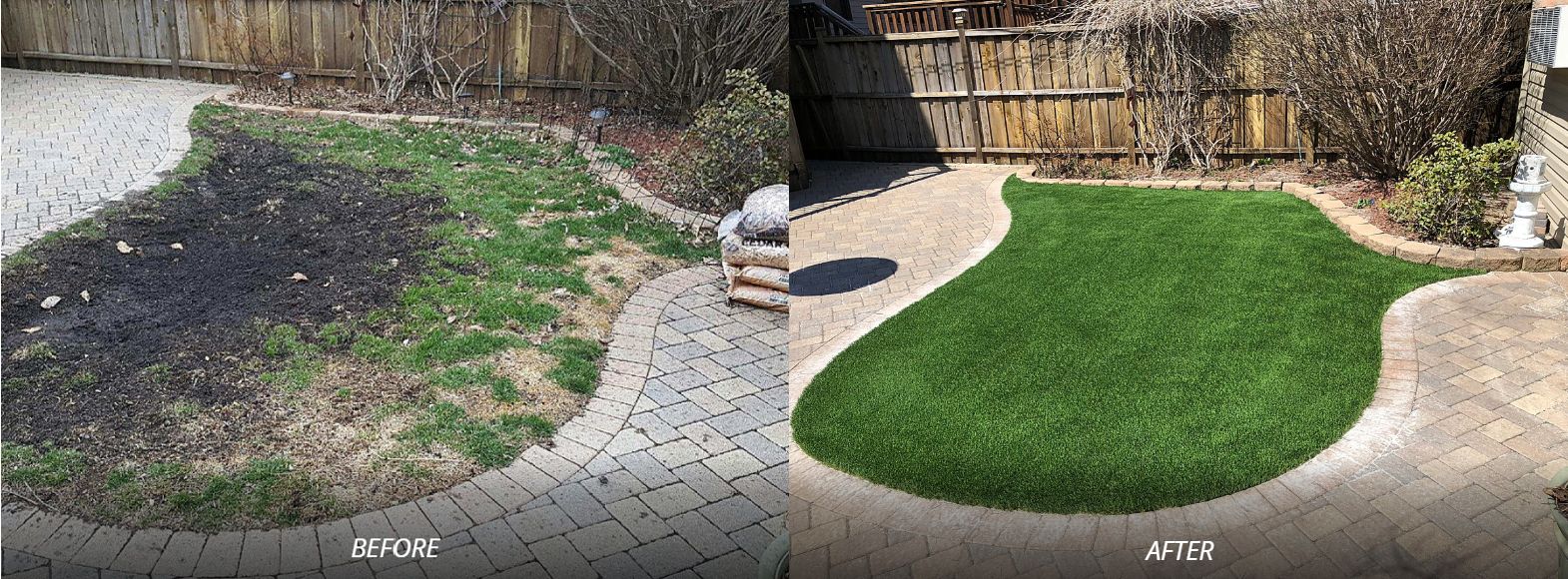
- Artificial turf for a year-round green look.
- Turf replacement ideas like clover or native grasses that need little to no watering.
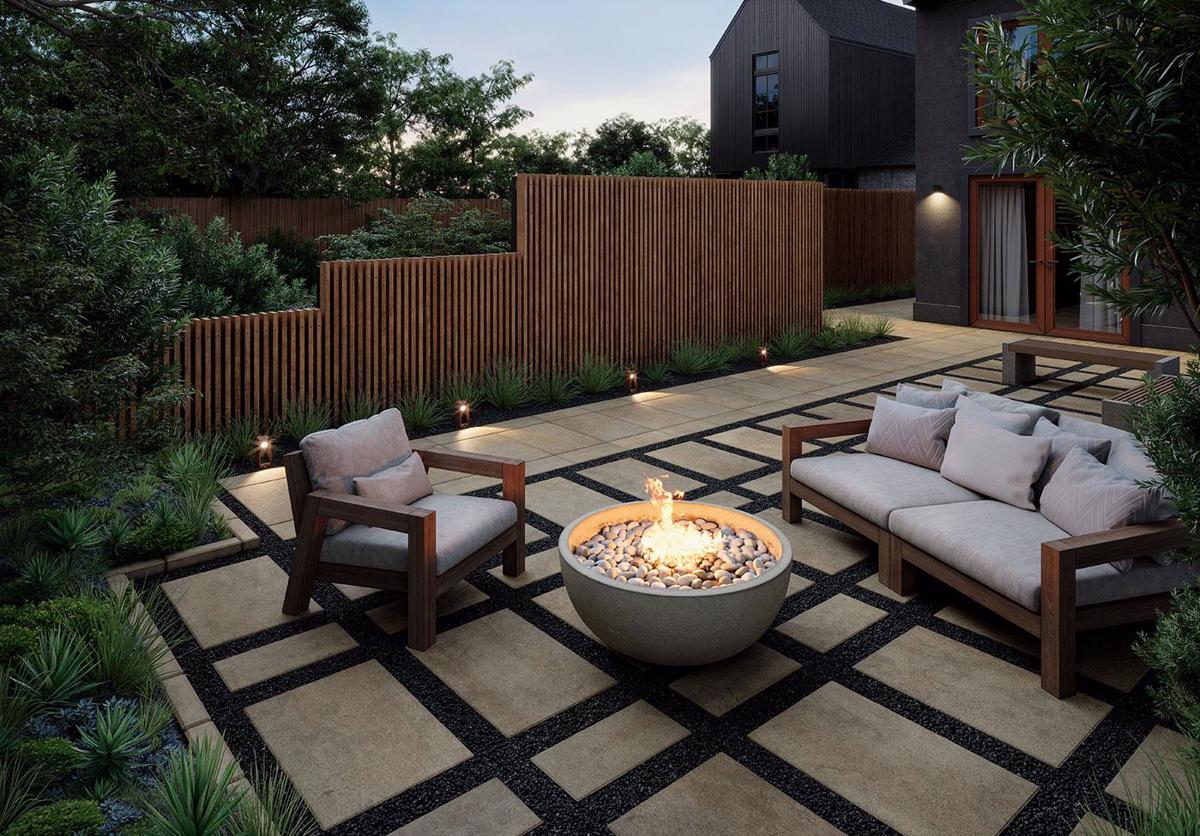
- Decorative hardscaping combined with paver walkways for a polished, modern look.
Step 6: Add Hardscape for Function and Beauty
Hardscape elements not only add structure but also reduce water use by replacing thirsty green areas with durable, functional features.
Popular Hardscape Additions:
- Stone patios
- Decorative retaining walls
- Walkways made from permeable pavers
Step 7: Make Shade Your Friend
Strategic shade can help plants conserve water by reducing evaporation.
Ways to incorporate shade:
- Planting trees for natural cover.
- Adding pergolas or shade sails for seating areas.
- Positioning tall shrubs to protect delicate plants from direct sun.
Step 8: Layer for Depth and Efficiency
Layered landscaping doesn’t just look beautiful—it’s functional. Taller plants protect smaller ones, and ground covers help maintain soil moisture.
A rain-smart garden layout can also direct runoff to thirsty plants, ensuring every drop counts.
Step 9: Focus on Seasonal Interest
One of the myths about water-conscious yards is that they’re boring. The truth? They can be bursting with color and texture year-round if you choose the right plants.
Ideas:
- Spring bulbs for early pops of color.
- Summer perennials that bloom through the heat.
- Fall foliage from ornamental grasses.
- Winter interest from evergreen shrubs and berries.
Step 10: Maintain Without Overdoing It
The beauty of a xeriscape design is that it’s low maintenance—but it’s not no maintenance. A little attention goes a long way.
Maintenance tips:
- Check irrigation systems seasonally.
- Prune plants to encourage healthy growth.
- Refresh mulch annually to retain moisture.
Ready to Go Water-Smart?
At Luxterra Outdoors, we specialize in creating yards that are beautiful, functional, and sustainable. Whether you’re starting from scratch or revamping an existing space, we can help you design a water-conscious landscaping plan that makes the most of every drop. Let’s work together to create a yard that thrives in all seasons, without the constant watering.
FAQ – Your Water-Smart Questions Answered
Can a water-conscious yard still have a small lawn area?
Absolutely! You can keep a portion of turf for play or pets while surrounding it with drought-tolerant plants and hardscape to cut down on water use.
How much maintenance does a xeriscaped yard require?
Less than a traditional lawn, but it still needs seasonal pruning, occasional weeding, and mulch refreshing to look its best.
Will water-conscious landscaping increase property value?
Yes—today’s buyers are looking for eco-friendly, low-maintenance yards that look great year-round. It’s a feature that can set your home apart.
Up Next:
Don’t miss our next post—Mixing Hardscape and Softscape in Des Plaines: How to Strike the Perfect Balance. It’s all about creating harmony between structure and nature in your outdoor space.