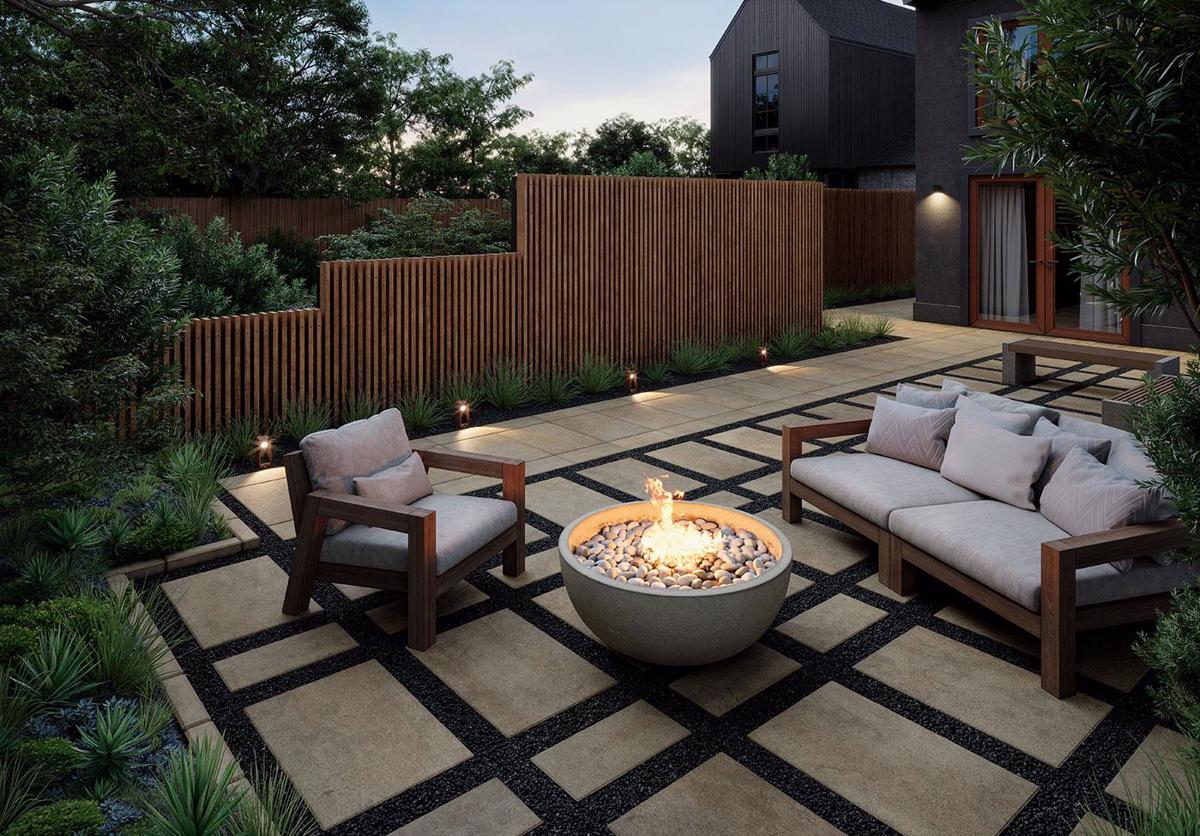
Some backyard decisions are straightforward. This one is not.
Choosing between a gas and a wood-burning outdoor fireplace is less about which option is objectively better and more about which one fits how you actually live. Both create a genuinely beautiful focal point. Both extend your time outside well into the cooler months.
Both can be designed to complement your home’s architecture and the character of your outdoor space. The question is which one matches your lifestyle, your routine, and the kind of evenings you want to spend in your backyard.
This guide walks through the key differences so you can make a confident decision before the first shovel breaks ground.
What Makes Each Option Different
At the most basic level, an outdoor gas fireplace runs on natural gas or propane and ignites with the turn of a valve or the press of a button. A wood-burning fireplace requires you to source, store, and light real firewood, and tend a fire the traditional way.
That difference in fuel source creates a ripple effect across convenience, ambiance, maintenance, design flexibility, and cost. Understanding where those trade-offs fall in your specific situation makes the choice clear.
The Case for a Gas Outdoor Fireplace
Gas fireplaces are built around convenience. You decide you want a fire at 9 pm on a Tuesday after dinner, and you have one in seconds. No splitting logs, no waiting for kindling to catch, no tending the flame through the evening. When you are done, you turn it off and walk inside.
For Arlington Heights homeowners who entertain regularly or want a fireplace that integrates naturally into daily outdoor life rather than feeling like an occasional production, gas fits that routine without friction.
It is also a natural pairing with an outdoor kitchen where the focus is on hosting, and the fireplace is one part of a larger entertaining setup.
Gas fireplaces produce a consistent, controllable flame. You can adjust the height and intensity to suit the mood, which matters when the fireplace doubles as the visual centerpiece of a patio or seating area. The design possibilities are also broader.
Without the structural requirements of a wood-burning chimney, gas fireplaces can be integrated into a wider range of outdoor configurations, including linear designs, fire tables, and lower-profile installations that sit closer to the ground.
Maintenance is minimal. There is no ash cleanup, no creosote buildup to monitor, and no chimney sweeping. An annual inspection of the gas line and burner components is the primary upkeep responsibility.
The Case for a Wood-Burning Outdoor Fireplace
A wood-burning fireplace delivers something gas simply cannot replicate: the full sensory experience of a real fire. The crackle of burning wood, the smell of smoke drifting across the yard, the organic movement of a live flame. For many homeowners, that experience is exactly the point.
If your vision for the backyard centers on evenings that feel deliberate and unhurried, where building and tending a fire is part of the ritual rather than an inconvenience, a wood-burning fireplace rewards that intention. It creates a different kind of presence in a space.
Guests gather differently around a wood fire. Conversations slow down. The atmosphere is harder to engineer with a gas flame.
Wood-burning fireplaces also tend to produce more radiant heat output, which matters on the cooler nights that define late September and October in the Chicago area. For homeowners in Arlington Heights who want to push deep into fall and get every usable evening out of the outdoor season, the heat of a wood fire earns its place.
From a design standpoint, wood-burning fireplaces are architectural statements. A well-built wood fireplace with a stone surround, custom mantle, and raised hearth integrates naturally with hardscaping and paver work in a way that feels permanent and intentional.
These are features that become defining elements of a backyard rather than mere accessories.
Making the Most of the Arlington Heights Outdoor Season
According to the Illinois State Climatologist’s Office at the University of Illinois, northern Illinois averages approximately 160 frost-free days per year, with the last spring frost occurring around late April and the first fall frost around early October.
That is roughly five months of comfortable outdoor weather. A well-designed outdoor fireplace extends that window meaningfully in both directions. In early May, when temperatures in Arlington Heights still drop into the low 50s after dark, a fireplace makes the difference between staying outside and heading in.
In late October, it gives you weeks of evening use that would otherwise be lost.
Both gas and wood fireplaces deliver that extension. The distinction lies in how each one integrates with the specific rhythm of your outdoor season and how much involvement you want in creating the fire experience itself.
How to Think About the Decision
A few practical questions help clarify which direction fits your situation.
How often do you plan to use it? If the fireplace is something you want available on short notice several nights a week, gas removes the barrier between the impulse and the experience. If you see it as a centerpiece for weekend gatherings and intentional outdoor evenings, the commitment of a wood fire suits that cadence.
Who uses the space? Households with young children or guests who prefer a lower-maintenance setup often find gas more accommodating.
Homeowners who enjoy the tactile experience of building a fire and want to pass that tradition along tend to lean toward wood.
What is already in the space? A fireplace rarely lives in isolation. It connects to the patio surface, the seating arrangement, the overall flow of the backyard, and often to other features like an outdoor kitchen or a full backyard remodel.
The type of fireplace affects how all those elements relate to one another, and a good design process accounts for this from the start.
Is there an existing gas line? If natural gas is already available near the installation site, installing a gas fireplace becomes more straightforward. If not, the cost and scope of running a line are factors worth understanding before committing.
What a Custom Design Actually Involves
Whether you choose gas or wood, the fireplace itself is only part of the project. The surround material, the hearth height, the mantle design, the integration with the patio layout, the relationship to seating, and the overall scale of the feature relative to the space all require deliberate decisions.
This is where a design-build process makes a material difference. A fireplace designed in isolation from the rest of the backyard rarely feels as intentional as one that is conceived as part of a complete outdoor living plan.
The proportions, the materials, and the placement all interact with everything around them, and getting those relationships right before construction begins is what separates a fireplace that anchors a space from one that simply occupies it.
The 3D design process Luxterra Outdoors uses at the start of every project allows you to see exactly how the fireplace integrates with the surrounding space before anything is built. That visibility changes how confident homeowners feel about their decisions, particularly for a feature as prominent as a fireplace.
Luxterra Outdoors: Custom Outdoor Fire Features in Arlington Heights and the Chicago Suburbs
Luxterra Outdoors is a premier landscape design-build company serving Arlington Heights and the greater Chicago area with over 35 years of combined team experience.
Our Techo-Pro-certified team designs and builds custom outdoor fire features, both gas- and wood-burning, as standalone statement pieces and as integrated components of complete outdoor living spaces. Every project begins with a custom 3D design, so you see the finished result before a single element is installed.
Which Fireplace Is Right for Your Backyard?
If you are weighing gas vs. wood for your Arlington Heights home, or anywhere in the Chicago suburbs, our team is ready to help you work through the decision and design something tailored to how you actually want to use your space. Schedule your free consultation and let us put together a custom plan for your backyard.