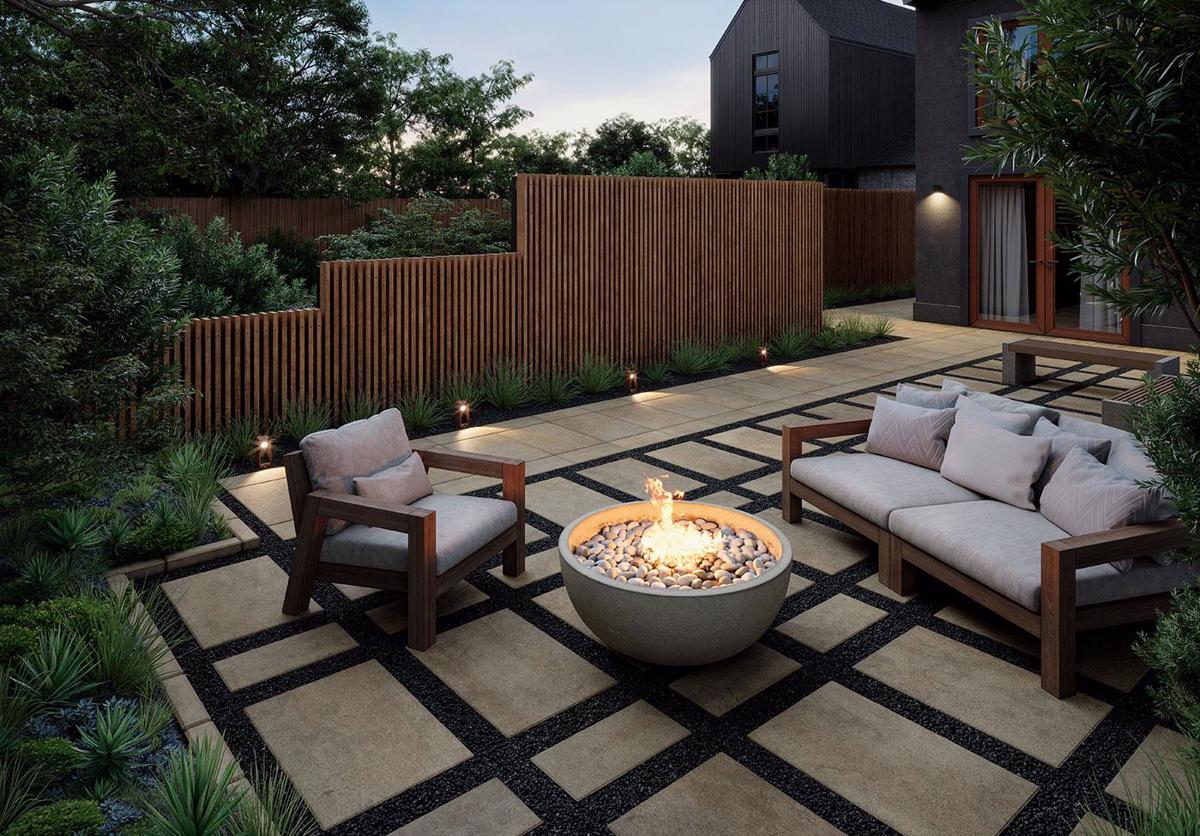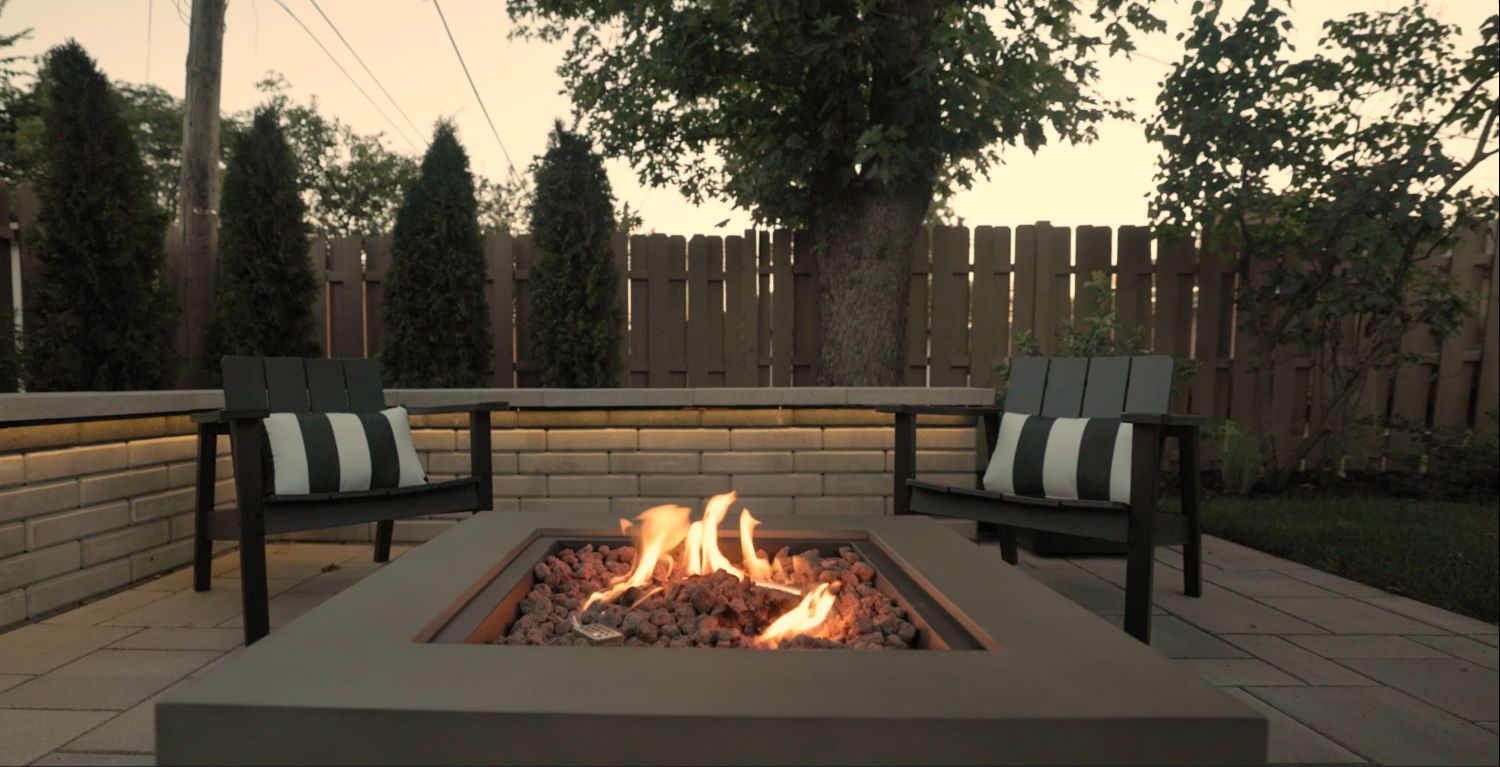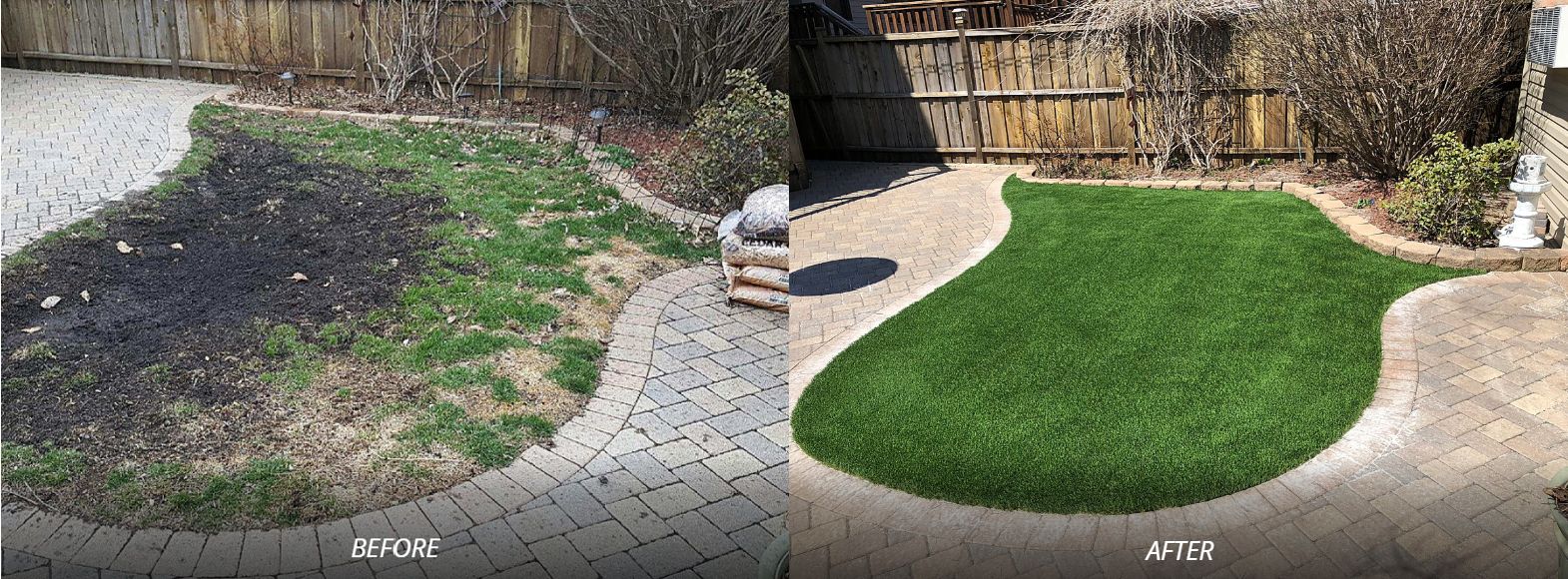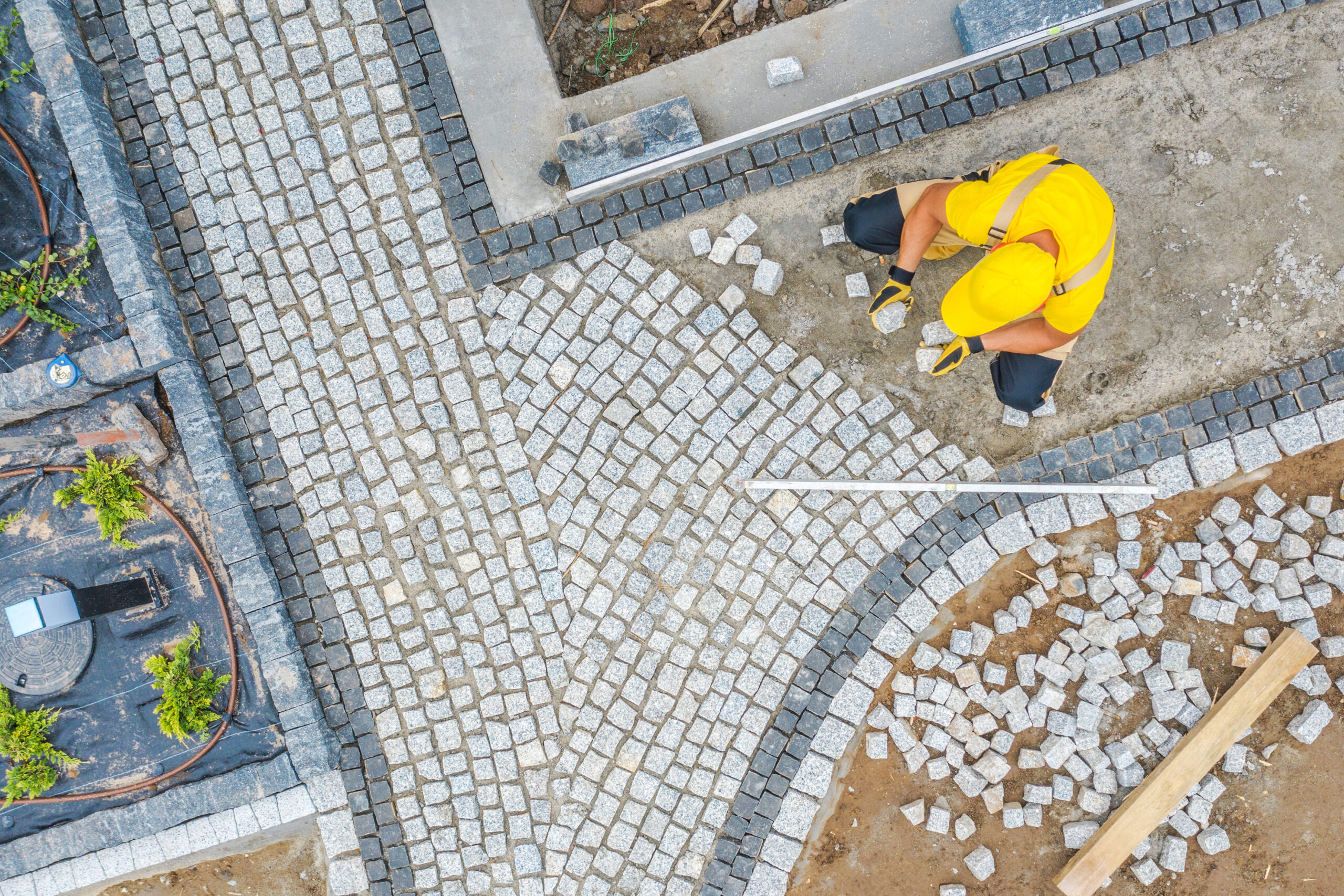
Chicago weather is no joke. From bone-chilling winters and salty sidewalks to sweltering summers, your patio takes a beating year-round. That’s why choosing the right material for your paver patios isn’t just a matter of style—it’s about survival. At Luxterra Outdoors, we know what stands up to the test of time and the wild Midwest weather.
If you’re planning a new patio or upgrading an old one, you need materials that can handle freeze-thaw cycles, resist salt damage, and stay cool underfoot in the summer. Let’s explore the most reliable, attractive, and long-lasting patio materials for Chicago winters and beyond.
Why Pavers Are Perfect for Chicago Patios
Let’s start with the basics: why choose paver patios in the first place? Unlike poured concrete, pavers are modular, which means:
- They shift slightly with freeze-thaw cycles (instead of cracking)
- They’re easier to repair or replace piece by piece
- They offer better drainage with built-in spacing
Plus, they come in endless textures, colors, and patterns, so you can get a patio that’s as stylish as it is strong.
Concrete Pavers: Durable, Versatile, and Budget-Friendly
Concrete pavers are a fan favorite for good reason. These babies can withstand the elements, and they won’t break the bank.
Here is why they work:
- Available in permeable options to reduce water pooling
- Easy to seal for extra salt protection
- Come in a wide range of finishes (from sleek modern to rustic tumbled)
Look for high-strength, salt-resistant paver stones with beveled edges to reduce chipping. Sealing them annually boosts longevity and keeps that fresh look year-round.
Natural Stone Pavers: High-End Beauty with Proper Prep
Want a touch of luxury? Natural stone adds timeless elegance. But not all stones are created equal when it comes to Chicago winters.
Best choices include:
- Granite: highly durable and resistant to salt and snow
- Bluestone: rich in color and texture, though it needs proper sealing
- Limestone: beautiful but more porous, so proper prepping is crucial
These are truly long-lasting patio materials, but they do require careful installation and ongoing maintenance.
Porcelain Pavers: Sleek, Modern, and Surprisingly Resilient
If you’re aiming for a clean, contemporary aesthetic, porcelain might be your patio soulmate.
What makes them special:
- Extremely low water absorption (ideal for freeze-thaw patio pavers)
- Naturally resistant to staining and salt
- Non-slip options available
They’re a top choice for weatherproof patio materials and require minimal upkeep. Just be sure to choose outdoor-rated porcelain with textured surfaces.
Brick Pavers: Classic Charm Meets Practical Performance
There’s something charming about a traditional brick patio. When installed with the right base and sealing, brick can perform well in harsh climates.
Benefits include:
- Flexible and forgiving in cold weather
- Earthy, timeless look
- Available in a variety of clay tones
Bricks are ideal if you love a vintage vibe and want a winter-proof patio option that blends seamlessly into older homes.
Permeable Pavers: Eco-Friendly and Flood-Resistant
Chicago’s rainstorms and melting snow can spell trouble without the proper drainage. That’s where permeable pavers come in.
Advantages:
- Help reduce runoff and flash flooding
- Improve groundwater recharge
- Compatible with local green building codes
Pair them with an aggregate base, and you’ll have a patio that performs and protects the environment.
Things to Avoid When Choosing Patio Materials in Chicago
Not all pavers are ready for Chicago’s seasonal drama. Avoid:
- Smooth surfaces with poor traction (slip risk!)
- Thin, cheap concrete tiles that crack under pressure
- Unsealed natural stone, which can absorb moisture and crumble
You’ll want to prioritize non-slip outdoor pavers with high compression ratings and proven weather resistance.
Let’s Build a Patio That Survives and Shines
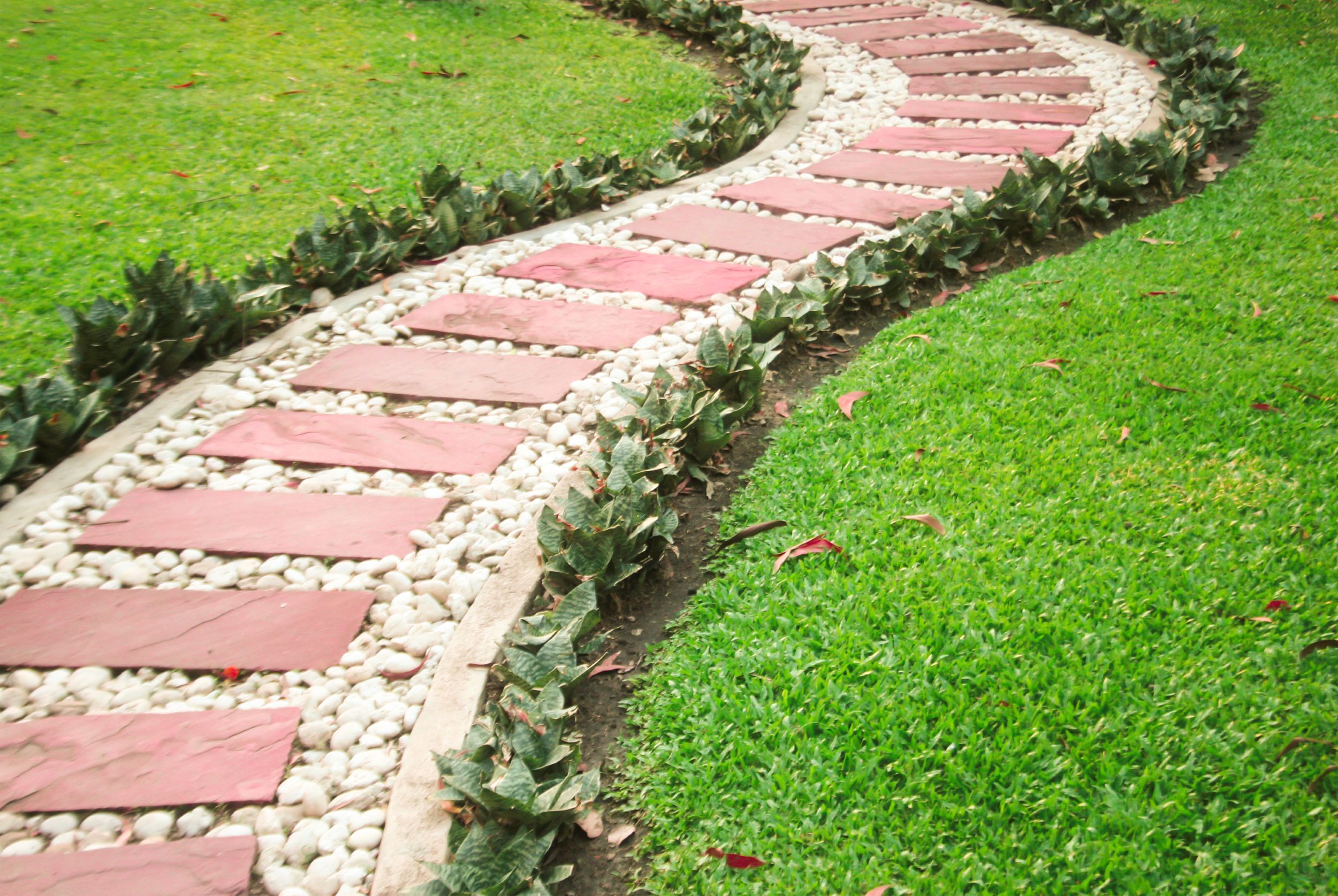
Ready to turn your backyard into a four-season masterpiece? Whether you love the sleekness of porcelain or the classic charm of brick, Luxterra Outdoors can help you design and install paver patios that handle Chicago’s toughest conditions without losing their cool.
Let’s build something beautiful—and built to last.
FAQ: Patio Planning Wisdom
Can you install paver patios in winter, or should you wait until spring?
It’s best to install pavers when the ground is dry and temperatures are stable, typically from late spring through early fall. Installing in freezing temperatures can compromise the base and long-term durability. Planning ahead is key—many contractors book out months in advance.
Do you need to seal your patio every year?
Not necessarily. Most sealers last 2-3 years, depending on exposure and wear. Concrete and natural stone benefit the most from sealing, especially in areas where salt or moisture is common. Choose a breathable, UV-stable sealer for best results.
What kind of base is best for Chicago paver patios?
A compacted gravel base with a layer of bedding sand is standard in freeze-thaw zones like Chicago, depth, and drainage matters. Most patios require at least 6-8 inches of base material to prevent shifting, cracking, or pooling.
Finish Strong with the Perfect Patio Edging
Now that you’ve nailed the ideal paver choice, don’t forget about what surrounds them. The right edging and borders can elevate your patio’s look and protect it through Chicago’s toughest weather.
Check out our next article:
The Best Edging and Borders for Paver Patios in Chicago
You’ll find style tips, installation insights, and durable options that hold everything together beautifully.