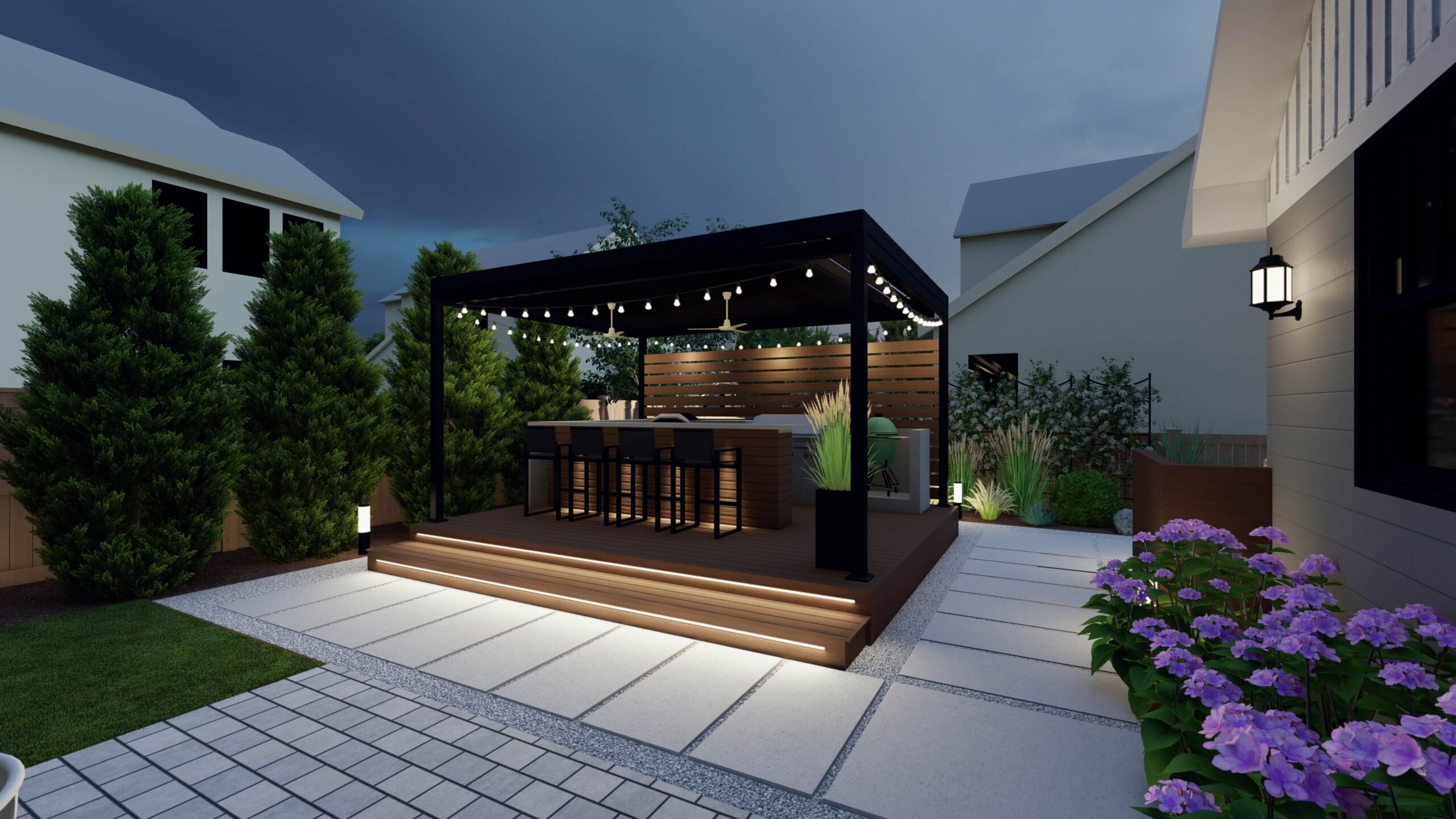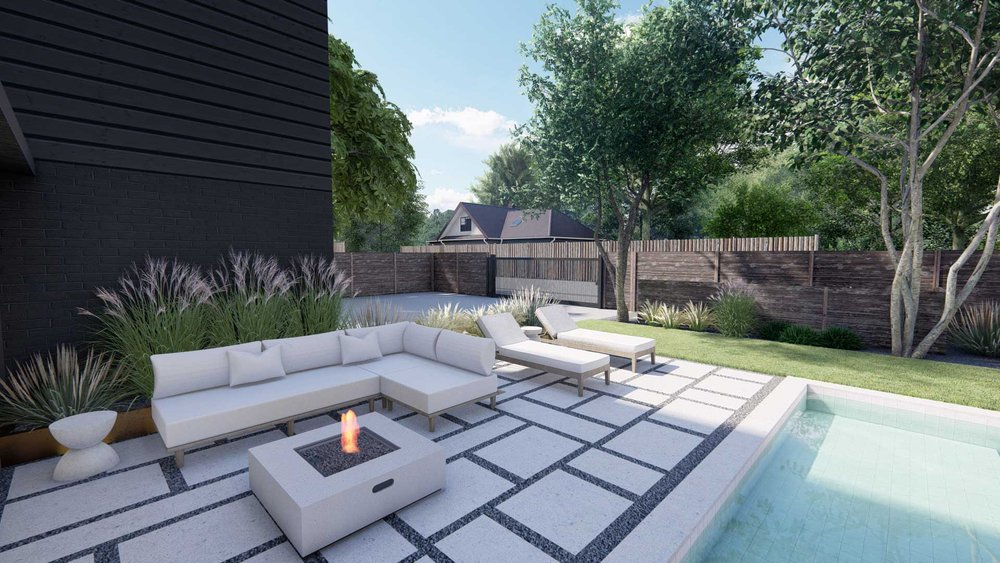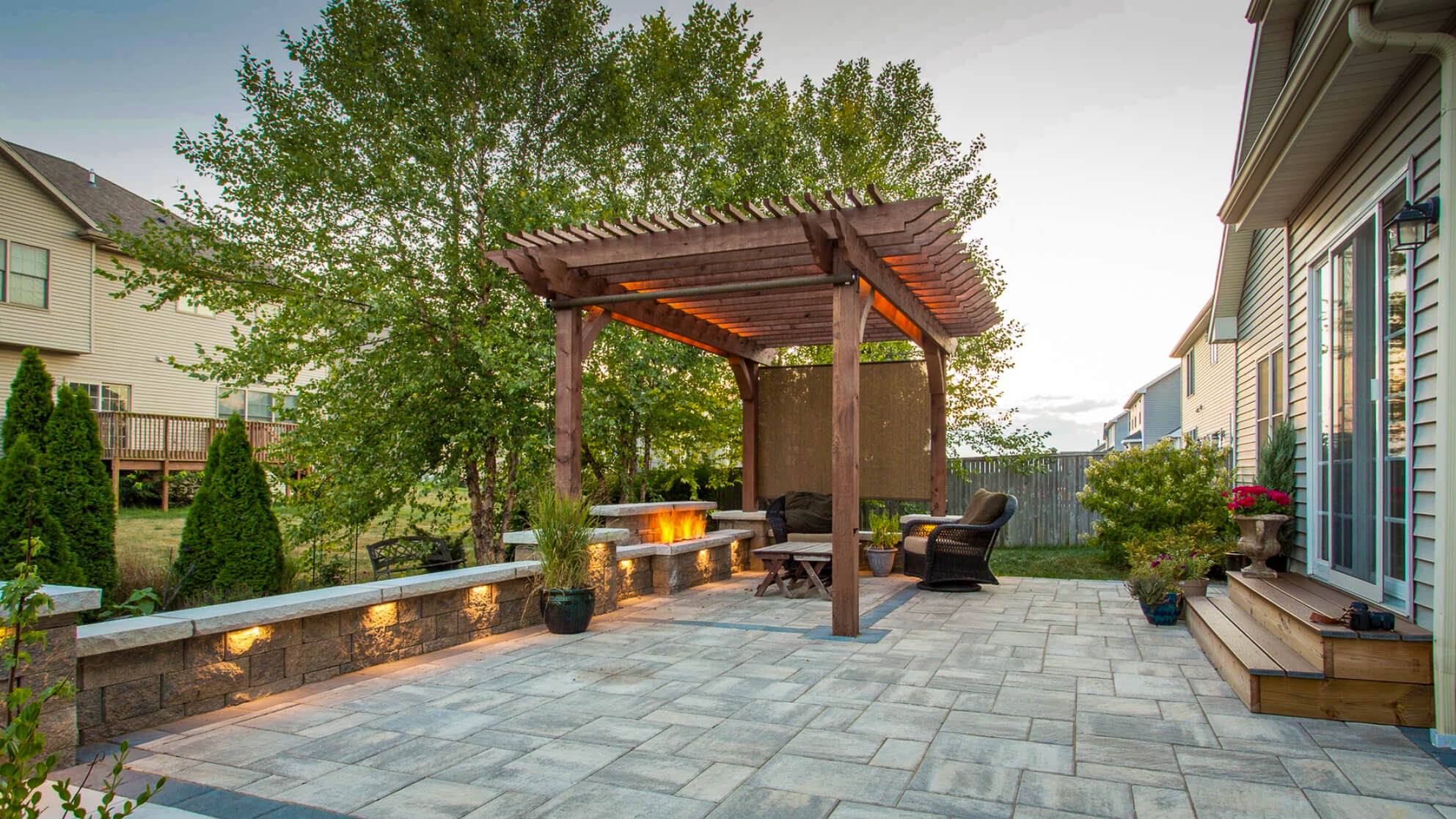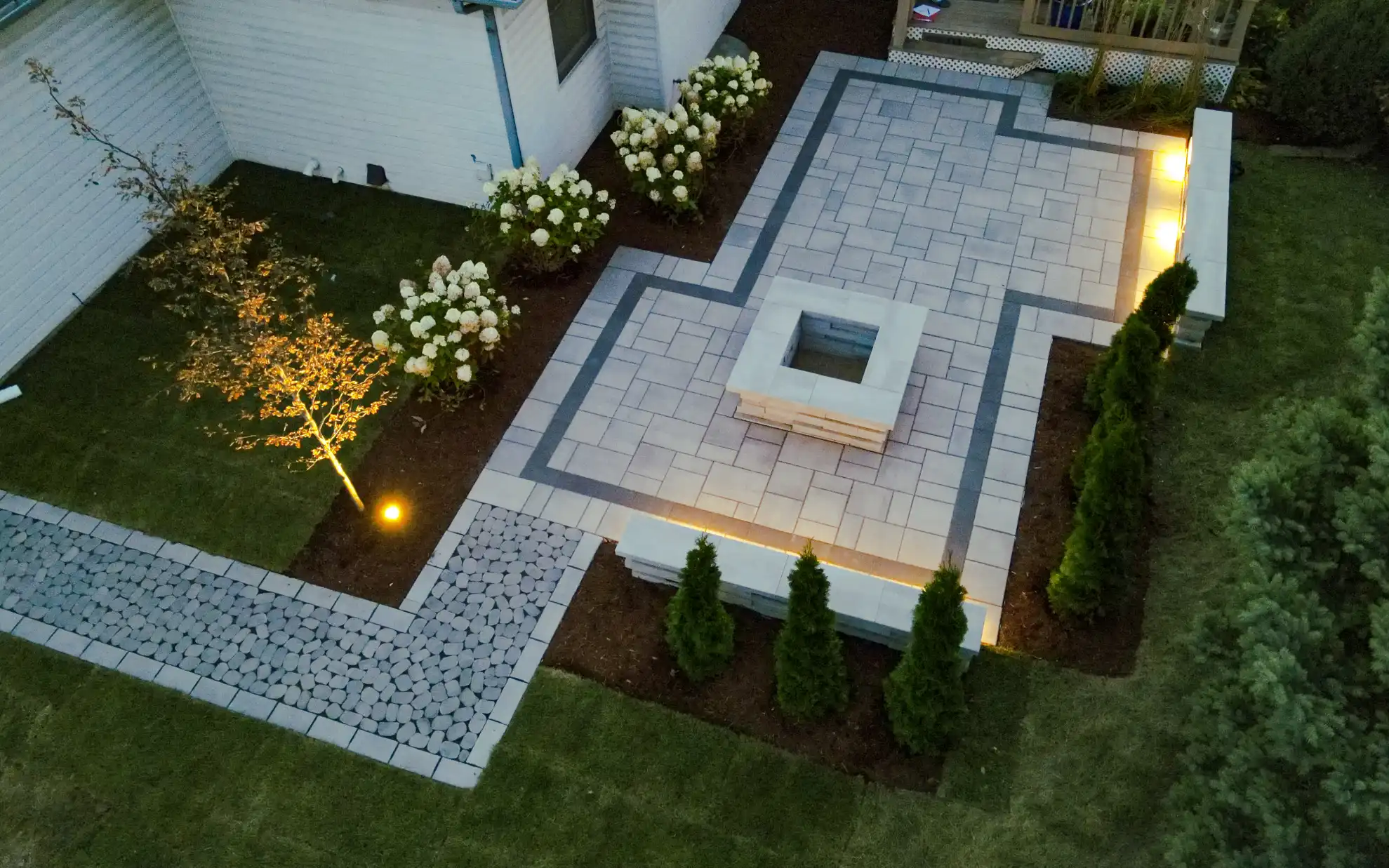
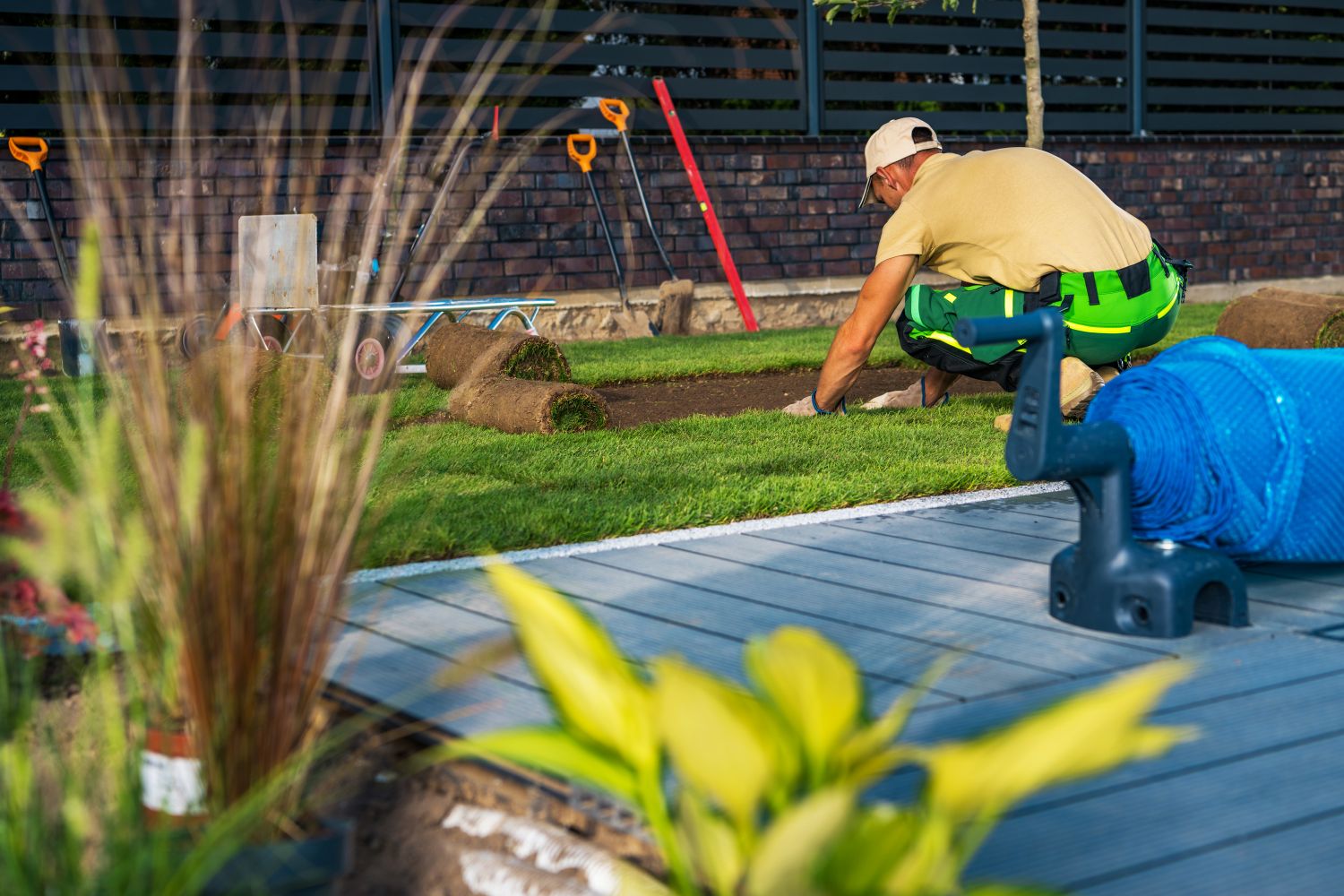
A gorgeous backyard isn’t just about plants, and it’s not all about stonework either—it’s about balance. Too much greenery and your yard might feel wild and unstructured. Too much stone or concrete, and it starts looking more like a parking lot than a personal retreat.
That’s where the art of hardscape and softscape in Des Plaines comes in. At Luxterra Outdoors, we believe the magic happens when you merge natural, lush elements with thoughtfully placed structures. Done right, the result is a yard that feels just right—functional, beautiful, and uniquely yours.
Today, we’re going to break down exactly how to mix these two elements like a pro, from garden layout design to choosing the right hardscaping features for yards. And if you’re hungry for even more inspiration after this, we’ve got a whole treasure chest of design ideas waiting for you on our blog.
Hardscape vs. Softscape: Know the Players Before You Mix Them
Before you can balance them, you need to understand them.
Hardscape includes all the non-living elements in your yard—think stone patios, walkways, retaining walls, paver driveways, pergolas, and outdoor kitchens. These features create structure and guide movement.
Softscape is everything living—plants, flowers, shrubs, trees, grass, and garden beds. This is where color, texture, and seasonal variety come into play.
When outdoor design balance in Des Plaines is done well, your hardscape defines the framework, and your softscape brings it to life.
Start with a Master Plan
A balanced outdoor space doesn’t just happen—it’s designed.
Why Planning Matters:
- It prevents overcrowding or awkward gaps.
- It ensures each feature serves a purpose.
- It allows you to create a visual flow that’s pleasing year-round.
Start by mapping your yard into functional zones—entertaining areas, garden beds, pathways, and quiet nooks. Then decide how much of each will be dedicated to hardscape vs. softscape.
Pro Tip: In smaller Des Plaines yards, a 60% softscape / 40% hardscape split often feels inviting without feeling cramped. Larger properties may handle a 50/50 split beautifully.
Hardscaping Features That Add Instant Structure
When you’re working on Des Plaines backyard architecture, hardscape elements form the bones of your design.
Top Hardscape Additions for a Balanced Look:
- Stone walkways and plant beds – Create defined paths without losing natural charm.
- Raised planters and seating walls – Add seating and planting space in one.
- Decorative rock accents – Perfect for borders or to break up large plant areas.
- Patio surrounded by greenery – Merges entertaining areas with nature.
Hardscapes are permanent (or at least semi-permanent), so choose materials and designs you’ll love for years. Neutral tones, high-quality pavers, and timeless shapes keep your yard looking fresh.
Softscape Landscaping Ideas That Complete the Picture
Your softscape is where life, color, and seasonal changes happen. It softens the edges of stone and wood and connects your space to the natural world.
Great Softscape Choices for Des Plaines:
- Evergreen hedges and paver paths – Year-round greenery framing structured walkways.
- Border planting ideas with flowers for bursts of seasonal color.
- Layered beds with varying heights for depth and interest.
- Ornamental grasses for low-maintenance texture.
This is where you can play with shapes, heights, and colors to contrast and complement your hardscape.
Finding Your Outdoor Flow
Even if you have gorgeous features, your space can still feel awkward if it lacks flow. A good outdoor flow and texture strategy connects one area of the yard to the next seamlessly.
Tips for Better Flow:
- Repeating materials – Use the same paver style in walkways and patios for unity.
- Curved pathways – They guide the eye and create a sense of exploration.
- Strategic plant placement – Frame views, highlight focal points, and direct movement.
The Role of Texture in Outdoor Design Balance
Texture isn’t just for indoor décor. In your yard, mixing textures between hardscape and softscape adds visual richness.
Texture Pairing Examples:
- Smooth pavers with lush ground covers.
- Rough stone retaining walls with soft, cascading flowers.
- Sleek modern decking with ornamental grasses for movement.
This balance prevents your space from feeling flat or one-dimensional.
Layering for Functional and Visual Impact
Functional landscape layering is a design technique that uses vertical space as well as horizontal space.
Example Layer:
- Tall trees for shade and privacy.
- Mid-height shrubs for structure.
- Low plant beds or ground cover for softness.
- Stone or paver accents for definition.
Layering not only looks polished but also improves usability by breaking the yard into distinct zones.
Creating Year-Round Visual Harmony
One challenge with visual harmony in landscaping is that plants change throughout the seasons. That’s why a good balance relies on evergreen hardscape and year-round softscape interest.
Year-Round Strategies:
- Incorporate evergreens to keep greenery in winter.
- Choose perennials with staggered bloom times.
- Use neutral-toned hardscapes that look good against snow, grass, or blooms.
Balancing Function with Beauty
Every element in your yard should serve both a functional and aesthetic purpose.
Examples:
- A seating wall can frame a garden bed while providing a place to relax.
- Raised planters can define a patio’s edge while making gardening easier.
- Decorative paver borders can keep mulch contained and act as visual frames.
When form meets function, your yard works harder for you.
When to Add More Hardscape
Sometimes a yard is too soft—plants overgrow pathways, lawns feel endless, and there’s no clear structure. Adding hardscape can:
- Define entertaining areas.
- Create low-maintenance zones.
- Break up large plant-heavy spaces for balance.
When to Add More Softscape
Other times, the opposite problem occurs—your yard feels too rigid. More plants can:
- Soften hard edges.
- Add seasonal variety.
- Improve privacy naturally.
Let’s Build Your Perfect Balance
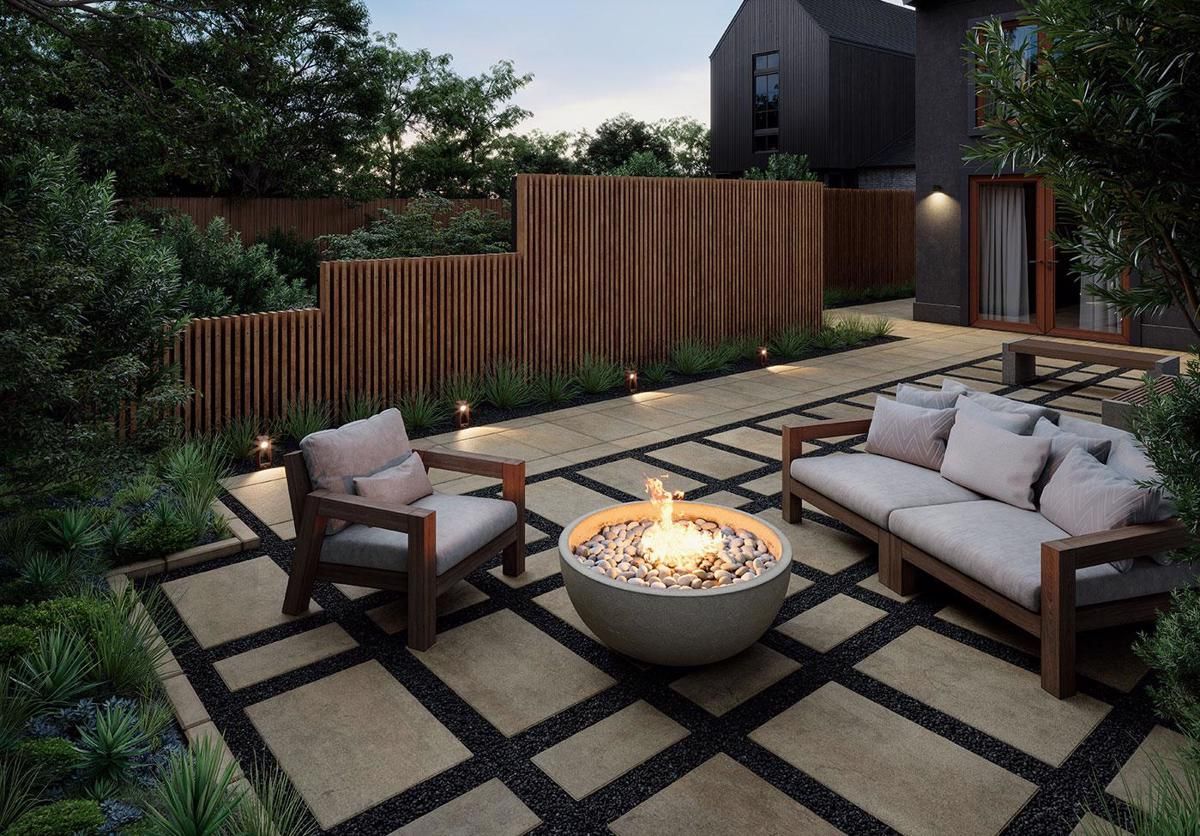
At Luxterra Outdoors, we’ve mastered the art of blending hardscape and softscape into seamless, functional, and stunning designs. Whether you’re starting from scratch or refining your current space, we can help you create a yard that flows beautifully from stone to greenery. Your dream balance is just one design plan away—let’s bring it to life.
FAQ – Balancing Hardscape and Softscape
How do you know if your yard has the right hardscape-to-softscape ratio?
The right ratio depends on your yard size, usage, and style preference. Generally, smaller yards lean toward more softscape for warmth, while larger yards can carry equal parts hardscape and softscape.
Can you update your hardscape without redoing your whole yard?
Yes! You can refresh the existing hardscape by adding new plant beds, changing border materials, or integrating complementary textures.
What’s the easiest way to make hardscape feel softer?
Add layered planting around edges, use climbing plants on structures, and choose materials with natural textures instead of stark finishes.
Want More Outdoor Design Inspiration?
This was just one chapter in the world of balanced outdoor spaces. Visit the Luxterra Outdoors blog to explore more design ideas, from sustainable planting to creative paver layouts.