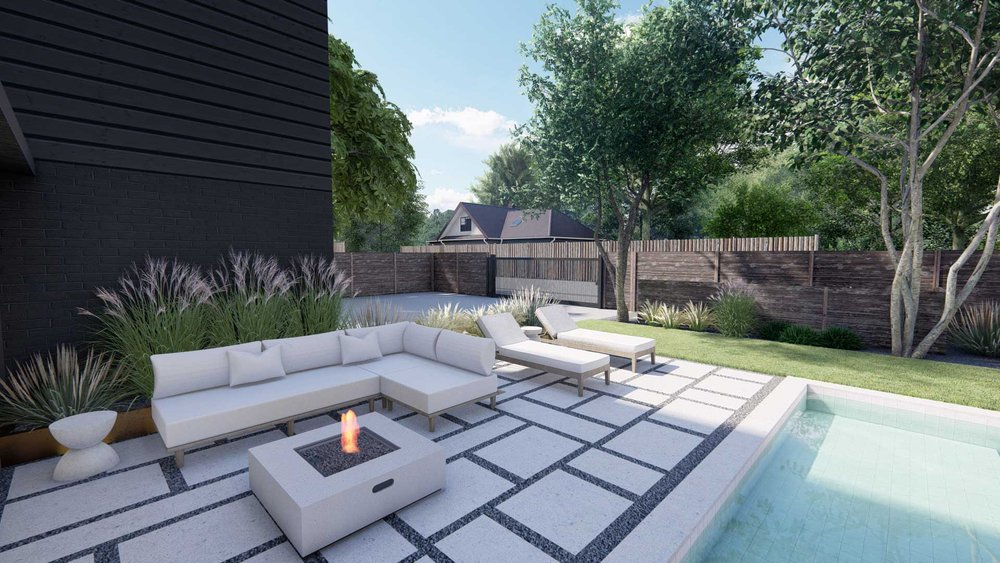
Choosing a patio material is about more than finding a color that works with your house. The surface influences how formal or organic the finished space feels, how easily you can create specific patterns, what maintenance may involve, and how naturally the patio connects with the surrounding landscape.
The natural stone vs pavers decision can become confusing because these terms are sometimes used as though they describe three completely separate categories. Flagstone is actually natural stone cut or split into relatively flat pieces, while manufactured pavers are concrete base poducts produced in controlled shapes and sizes. Understanding those distinctions makes it easier to compare the materials based on your property, design goals, and expectations rather than appearance alone.
Natural Stone vs Pavers: What Is the Main Difference?
Natural stone is quarried from the earth and prepared for use as a paving material. Each piece has naturally occurring differences in color, texture, veining, and surface character, so the finished patio lacks the uniformity of a manufactured product. Depending on the stone and design, pieces may be cut into regular dimensions or used in more irregular forms.
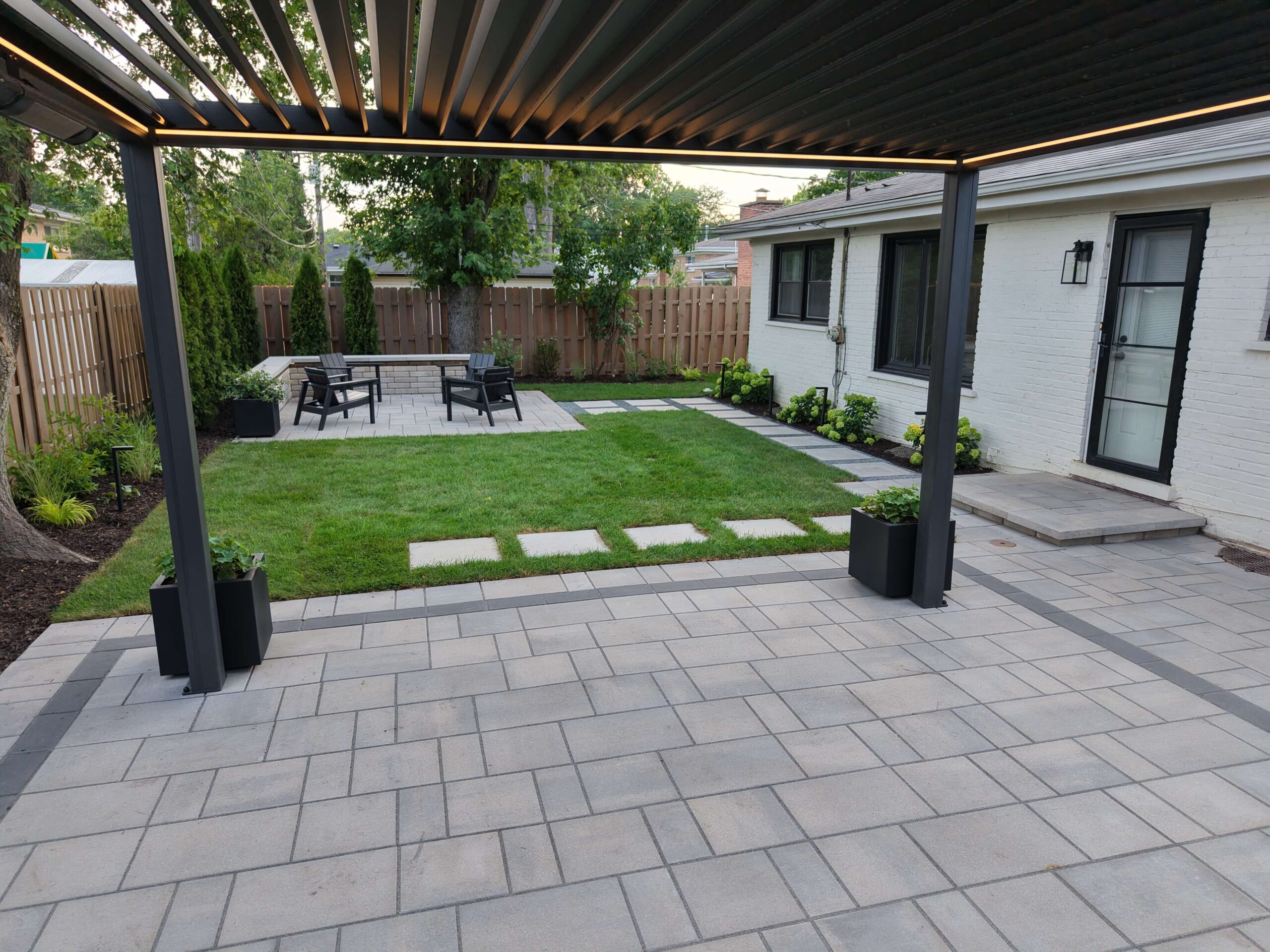
Concrete pavers are manufactured products available in controlled sizes, colors, textures, and collections. Modern pavers range from traditional brick-like units to large-format products designed to create contemporary surfaces or reproduce some stone characteristics. Their consistency gives designers considerable control over patterns, joint alignment, borders, and transitions.
Neither difference makes one material universally better. Natural stone emphasizes authenticity and variation, while manufactured pavers generally provide greater predictability and pattern flexibility.
When Does a Natural Stone Patio Make Sense?
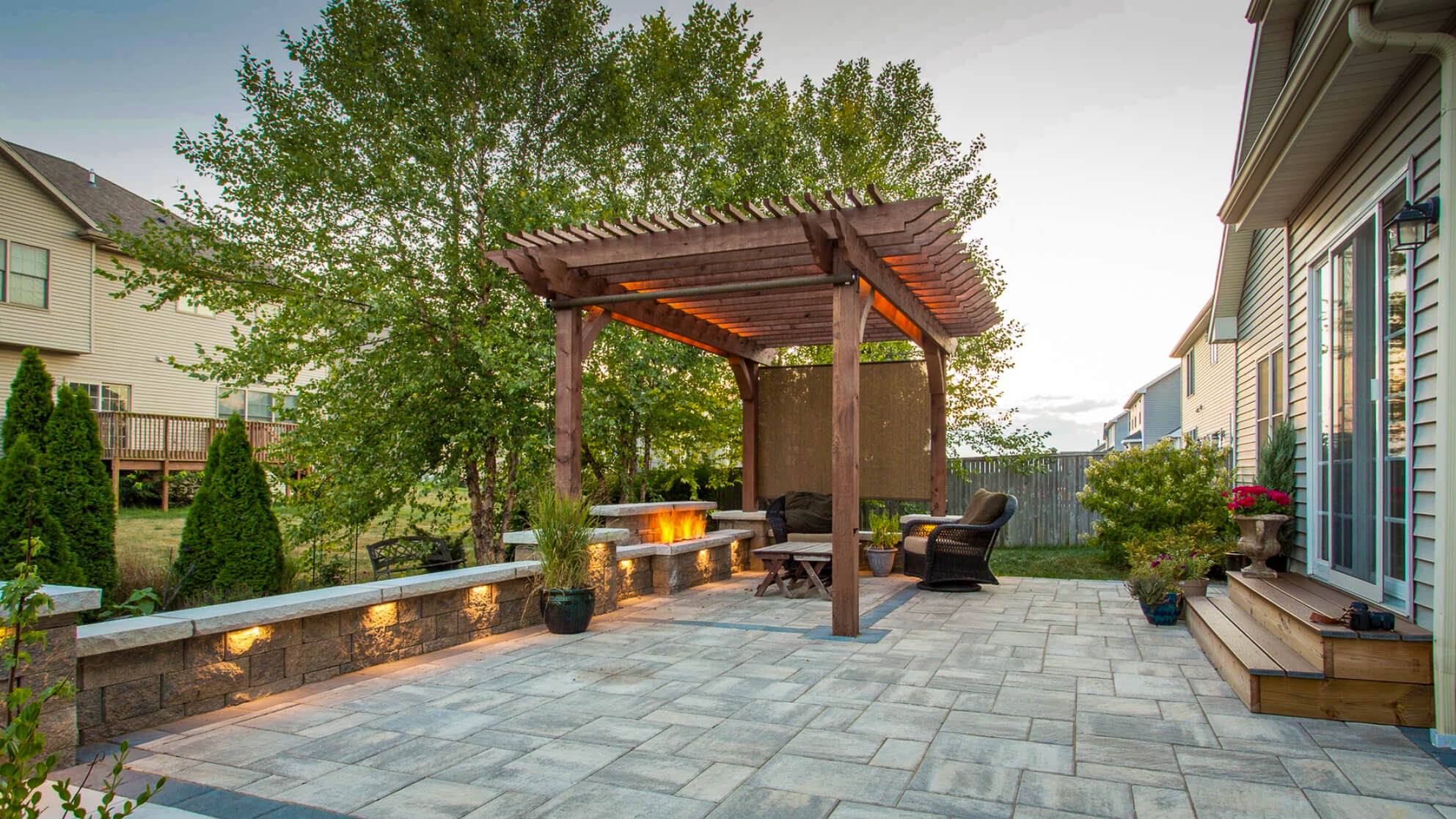
A natural stone patio works particularly well when the material itself is intended to become a major design element. Because no two pieces are identical, the surface develops visual depth that manufactured materials can’t easily reproduce. That variation can complement brick, masonry, timber, mature plantings, and other natural elements around the property.
Natural stone is particularly compelling in high-end landscape design when the goal is permanence and architectural character rather than perfect repetition. It can feel established even when the surrounding landscape is relatively new, especially when the stone selection relates naturally to the house. The material also tends to age in a way that becomes part of its appearance, rather than relying on a perfectly uniform finish.
Those qualities come with trade-offs. Natural stone can cost more to source and install, while differences in thickness or shape may require more craftsmanship during installation. Availability, stone type, finish, and the complexity of the intended pattern can also influence the project.
Where Natural Stone Often Wins
Consider natural stone when uniqueness matters more than uniformity. Its strengths are most noticeable when the design gives the material enough room to contribute to the overall composition rather than treating it as an interchangeable patio surface.
It may be especially appropriate when:
- The house already contains natural masonry or complementary architectural materials
- A timeless rather than highly uniform appearance is desired
- Natural variation is considered part of the design
- The patio needs to blend into substantial planting or an established landscape
- Material authenticity is a priority for the project
Natural stone does not automatically make a patio luxurious simply because it costs more. Its premium value is strongest when the stone, architecture, craftsmanship, and surrounding landscape support one another.
Why Manufactured Pavers Remain a Strong Patio Choice
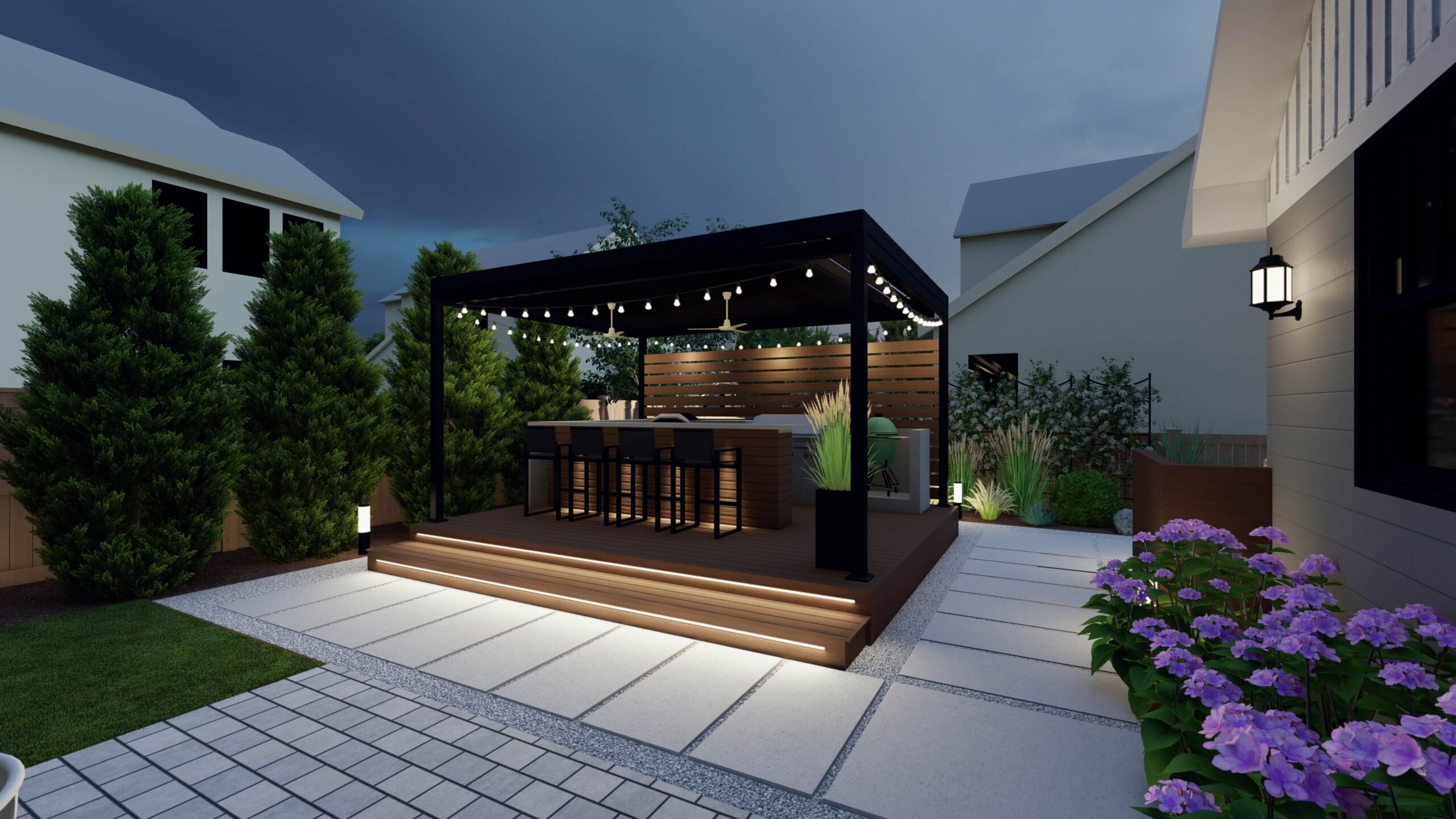
Manufactured pavers provide a level of consistency that can be extremely useful during design. Collections may include multiple sizes, complementary borders, different textures, and coordinated colors, allowing the patio to follow a precise visual language. That makes pavers suitable for styles ranging from traditional suburban landscapes to clean contemporary outdoor spaces.
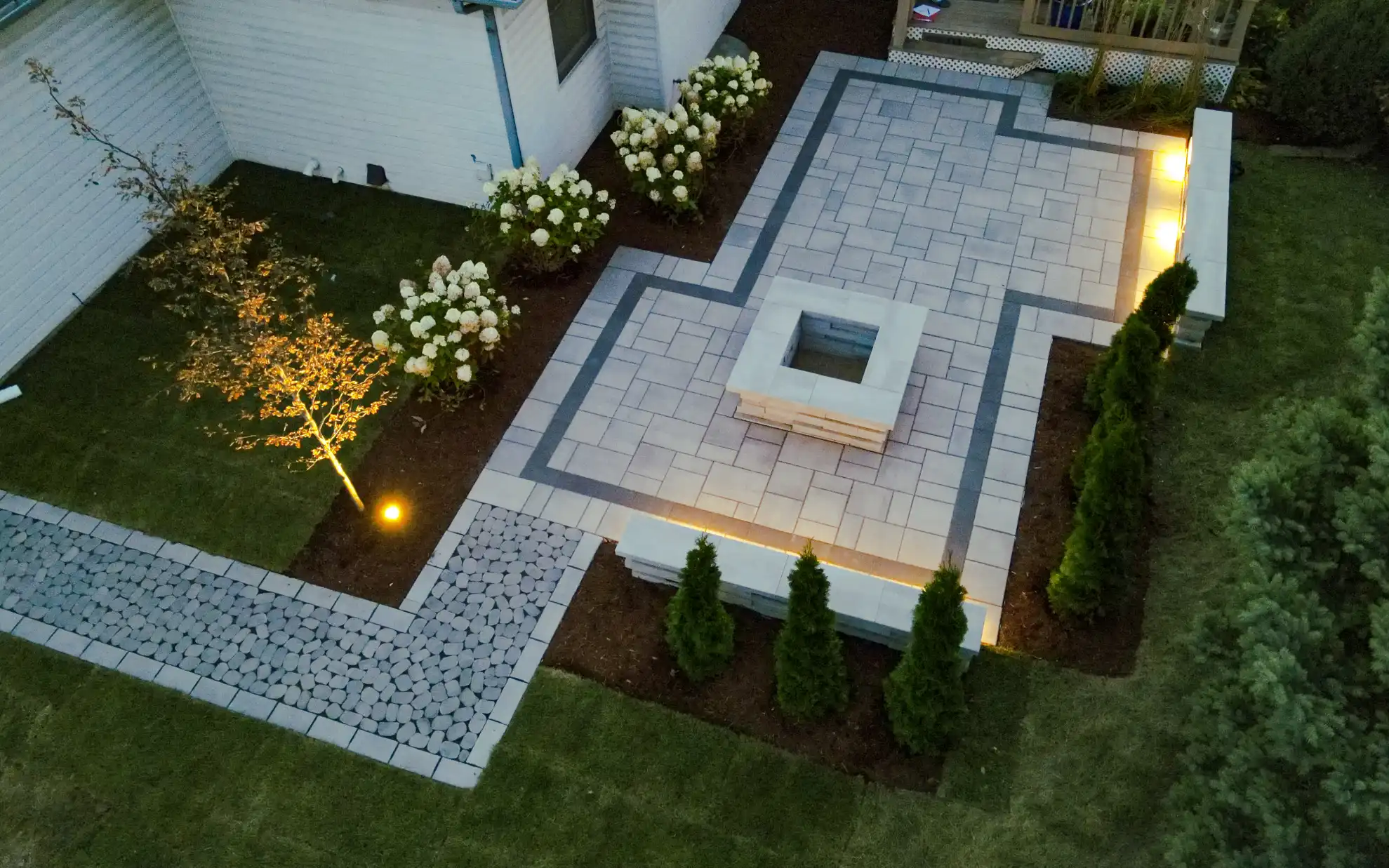
Their modular nature also provides practical advantages. You can often remove and replace individual units when localized repairs or underground access are needed, though matching an older discontinued product isn’t always guaranteed. Consistent dimensions can also simplify repeated patterns and carefully defined transitions.
For many Naperville properties, pavers offer a useful middle ground between design flexibility, material choice, and long-term serviceability. The range of available products means you should still select them carefully, since an entry-level concrete paver and a premium large-format collection can produce very different results.
Flagstone vs Pavers: Why This Comparison Gets Confusing
The flagstone vs pavers comparison is useful, but flagstone should not be mistaken for a completely separate material family from natural stone. “Flagstone” generally describes relatively flat pieces of natural stone used for paving, and those pieces may be irregular or cut into more regular shapes. The specific stone itself can vary by region and supplier.
Irregular flagstone tends to create a looser, more organic appearance because the joints and individual pieces do not follow the repetition associated with manufactured pavers. It works beautifully around gardens, informal gathering spaces, and landscapes where rigid geometry feels out of place. Installation requires thoughtful fitting so the irregularity looks intentional rather than random.
Manufactured pavers generally win when the design calls for predictable dimensions, repeated geometry, or highly controlled patterns. Flagstone often wins when natural variation and an informal connection to the landscape are central to the desired look.
What About Pavers vs Stamped Concrete?
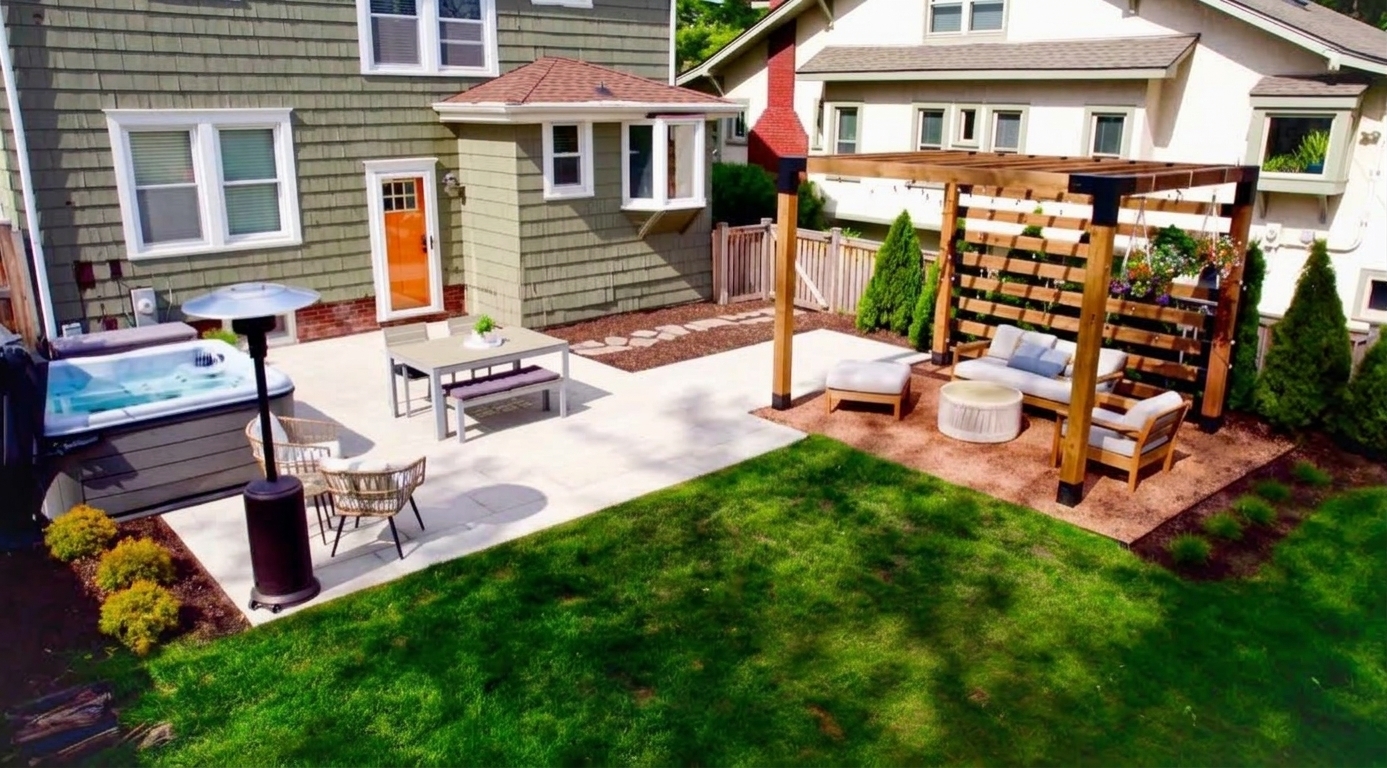
The pavers vs stamped concrete decision introduces another option with a different construction and visual character. Stamped concrete creates a continuous concrete surface that is colored and patterned to resemble stone, brick, or another material. It can cover a large area without the numerous individual units associated with paver construction.
Stamped concrete may make sense for someone who wants a decorative continuous surface and prefers its particular cost, appearance, or maintenance profile. However, concrete and segmental paving respond differently to movement or repairs. If stamped concrete settles or cracks, you may need to redo the entire slab, and matching the decorative color or texture during a repair can be difficult.
Pavers provide individual units and genuine joints, while stamped concrete creates the pattern within a slab. The better choice depends on how much the project prioritizes repairability, a continuous appearance, pattern, and the site’s characteristics.
How Naperville Conditions Affect the Material Decision
Naperville patios experience substantial seasonal temperature changes, precipitation, snow, ice, and repeated freeze-thaw cycles. Those conditions don’t mean every property must use one material. They do mean material specifications and installation details need to suit the local environment.
Water management remains important regardless of the visible surface. Natural stone, manufactured pavers, flagstone, and concrete all depend on appropriate installation systems and site drainage for long-term performance. Choosing an expensive surface does not compensate for poor grading or construction underneath it.
Consider winter maintenance before selecting a product. Deicing products, snow-removal practices, surface texture, and manufacturer recommendations can vary between materials. Asking those questions during selection is more useful than discovering limitations after the patio has already been installed.
Which Patio Material Requires the Most Maintenance?
No patio material is entirely maintenance-free. Pavers may eventually require joint maintenance or cleaning, while natural stone care depends heavily on the stone type, finish, exposure, and staining risk. Flagstone can “shave off” over time, which are chunks on the face that split off. Stamped concrete may involve cleaning and resealing depending on the system used.
The surrounding environment matters as well. A shaded patio beneath mature trees experiences different organic debris and moisture exposure from an open patio receiving full sun. Outdoor kitchens, grills, dining areas, and fire features can introduce grease, food, soot, and other staining sources.
Instead of asking which material has “no maintenance,” decide what level and type of care fits your expectations. Material selection becomes easier when you consider appearance and maintenance together, not as separate decisions.
How to Choose the Best Material for a Patio
No single material is best for every patio because each property asks different things about the surface. The right choice should support the architecture, intended use, surrounding landscape, maintenance expectations, and overall project budget. Starting with those priorities can prevent the material decision from becoming a contest between samples viewed outside their eventual context.
Consider these questions before selecting a surface:
- Do you prefer natural variation or controlled consistency?
- Should the patio feel formal, contemporary, traditional, or organic?
- How important is the ability to make localized repairs?
- Will the patio contain dining, cooking, or fire features?
- What maintenance are you comfortable performing?
- Does the material complement the house and other hardscape?
- Is the patio intended to blend into the landscape or create a strong architectural statement?
Luxterra Outdoors uses 3D landscape design to evaluate materials as part of the complete outdoor environment rather than choosing the patio surface in isolation. Seeing the relationship between paving, structures, planting, circulation, and other features can reveal whether a material that looks attractive as a sample actually makes sense across the finished project.
Natural Stone, Pavers, or Flagstone: Which One Should You Choose?
Choose natural stone when authentic material character, variation, and integration with high-end architecture or landscaping are major priorities. Flagstone is particularly appropriate when you want that natural material expressed through a more organic paving style. For example, bluestone is a popular option when working with colonial home landscapes.
Manufactured pavers like Techo-Bloc or UNILOCK pavers are often stronger candidates when controlled geometry, broad design selection, predictable sizing, and modular repairability matter more.
Stamped concrete deserves consideration when a continuous decorative surface better suits the project. None of these materials should win simply because it is the most expensive or because it imitates another option. The strongest patio designs use a surface whose characteristics fit that particular landscape.
Design the Patio Around the Entire Outdoor Space
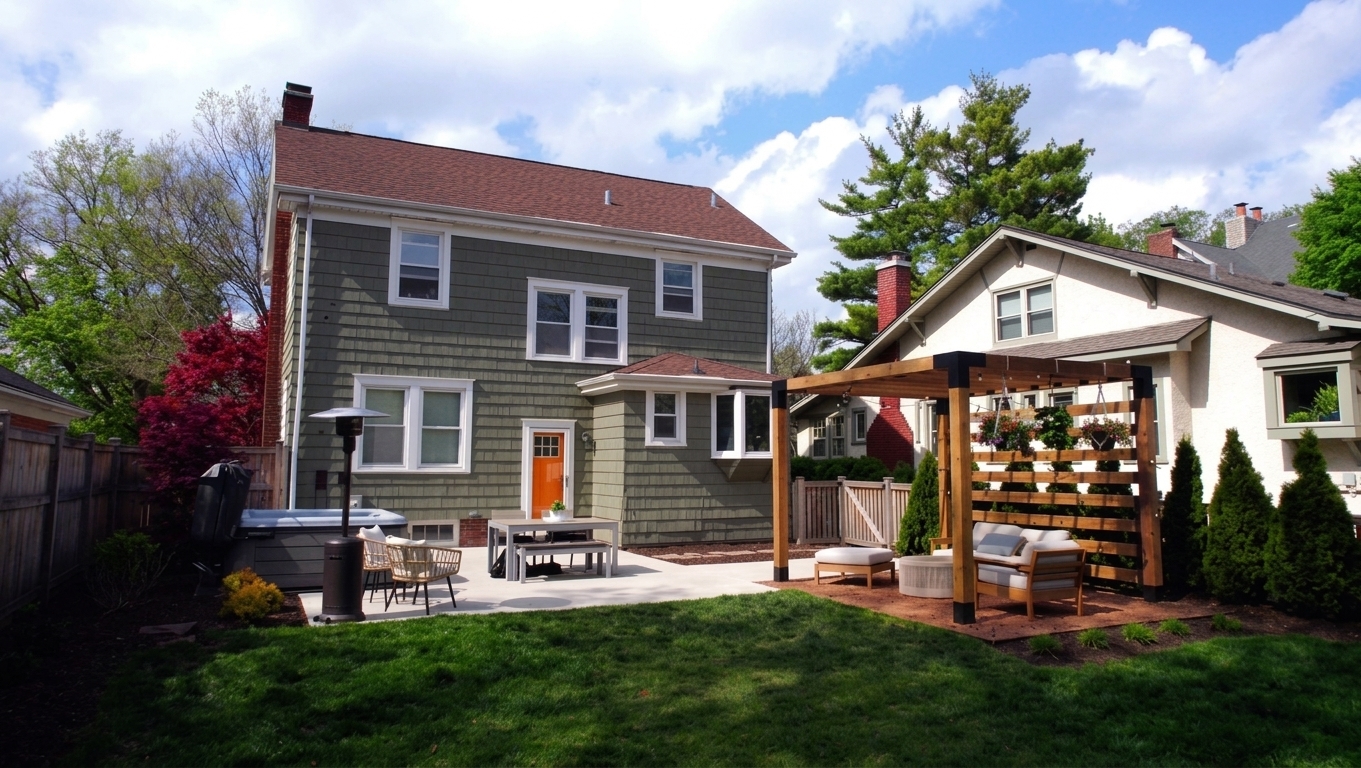
The natural stone vs pavers decision becomes much easier once you know what the overall landscape needs to accomplish. Material should support the home’s architecture, movement through the yard, surrounding planting, outdoor features, and the atmosphere you want the space to have.
Luxterra Outdoors is a landscape design firm who creates custom outdoor living environments throughout Naperville and the surrounding Chicago area, with material selection incorporated into the larger design. Contact Luxterra Outdoors to discuss your patio and determine which surface best fits your property, priorities, and long-term plans.
Frequently Asked Questions
Is flagstone the same as natural stone?
Flagstone is natural stone, but the term generally refers to relatively flat pieces prepared for paving and similar landscape applications. Different types of stone can be supplied as flagstone, so appearance and performance vary by material.
Are pavers better than natural stone in cold climates?
Not automatically, because performance depends on the specific material and how the patio is designed and installed. Both quality pavers and suitable natural stone can be used in cold climates when the complete system accounts for site and environmental conditions.
Is natural stone worth the higher price?
Natural stone can justify a premium when its authentic variation, aging characteristics, and relationship with the architecture materially improve the design. If consistency, modularity, or a specific manufactured style matters more, a quality paver may be the better investment.
Continue Learning About Patio Care
Choosing the surface is only part of long-term ownership planning. After installation, cleaning, joint care, staining, weather exposure, and optional surface treatments can influence how a patio looks over time.
Continue with “Should You Seal Your Paver Patio? (Pros, Cons & How Often)” to understand what sealing actually does, when it is worthwhile, and why it should never be treated as a substitute for proper patio construction.