
If your outdoor space is more “meh” than magnificent, you’re not alone. Many Chicago homes have gorgeous potential—just waiting for a little spark. That spark? It’s called hardscaping, and it’s the game-changer your property’s been craving.
At Luxterra Outdoors, we believe outdoor spaces should work for you—not against you. And in a city where snow, salt, and freeze-thaw cycles are regular guests, building with style and strength in mind is key. So, let’s talk curb appeal upgrades that don’t just look good but add real value to your home.
What Is Hardscaping, Exactly? (And Why Should You Care?)
Simply put, hardscaping refers to the non-living, structural elements in your landscape design—think patios, walkways, retaining walls, and even driveways. It’s the brick, stone, concrete, and paver stuff that brings balance, function, and a serious wow factor to your yard.
And in a place like Chicago? It’s a landscaping essential. Between harsh winters and humid summers, well-built hardscape features are your yard’s best defense—and your best investment.
1. Stone Pathways that Lead to Instant Curb Appeal

When it comes to stone pathways Chicago homeowners can rely on, it’s all about blending beauty and brawn.
Why it works:
- Guides the eye and foot traffic naturally
- Reduces lawn wear and tear
- Adds a structured, polished look
Use freeze-thaw-resistant materials like natural flagstone, bluestone, or interlocking pavers. These hold up better than basic concrete and keep your yard looking sharp even when the snow hits hard.
Pro tip: Mix in hardscape lighting along your path for a subtle, welcoming glow.
2. Front Yard Hardscaping Ideas That Make a Killer First Impression
Curb appeal starts at the curb—literally. A front yard that blends lush greens with a clean, structured hardscape instantly grabs attention.
Here’s what Chicago homeowners are loving:
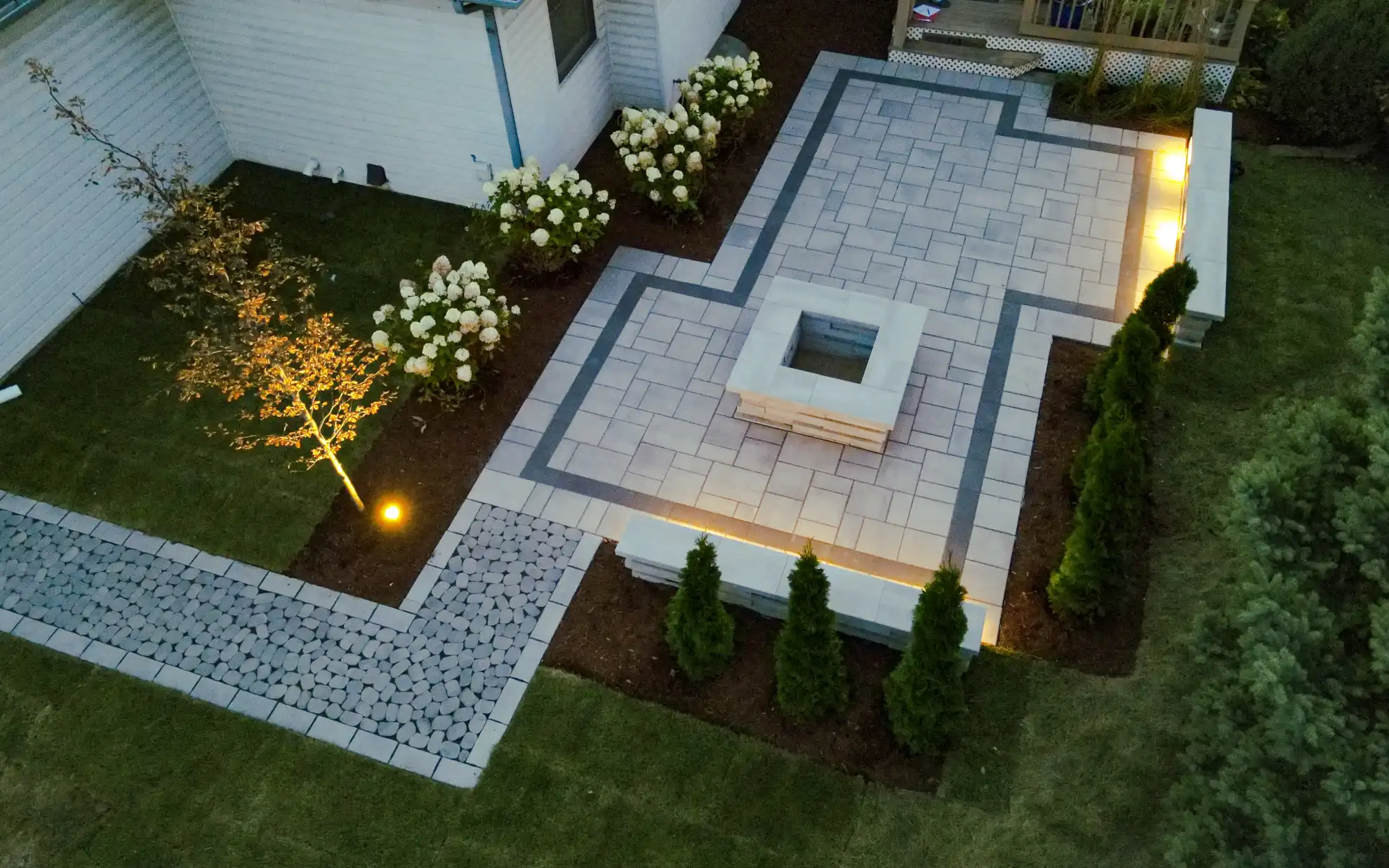
- Walkways with decorative inlays or stamped concrete patterns
- Short sitting walls that double as design elements and functionality
Pair with low-maintenance landscaping, and you’ve got a front yard that turns heads without hogging your weekends.
3. Decorative Concrete That Doesn’t Look Like… Concrete
Yes, concrete can be chic—when done right. Enter decorative concrete, the unsung hero of budget-friendly yet stylish Chicago hardscape design.
Options include:
- Stamped concrete mimicking stone or tile
- Colored concrete to match your home’s exterior
- Textured finishes that provide grip during icy months
Decorative concrete offers the flexibility of design plus the durability needed for Midwest winters.
4. Build Retaining Walls with Real Purpose
Sloped yard? Erosion issues? You don’t have to settle for a muddy mess. Retaining walls are a hardscaper’s secret weapon to tackle function and form in one beautiful structure.
Why Chicago loves them:
- Prevents water runoff and flooding
- Adds levels and depth to flat or boring spaces
- Can be built with stone, concrete blocks, or brick pavers
Want to spice it up? Add built-in planters or integrate seating to turn that wall into a garden hangout spot.
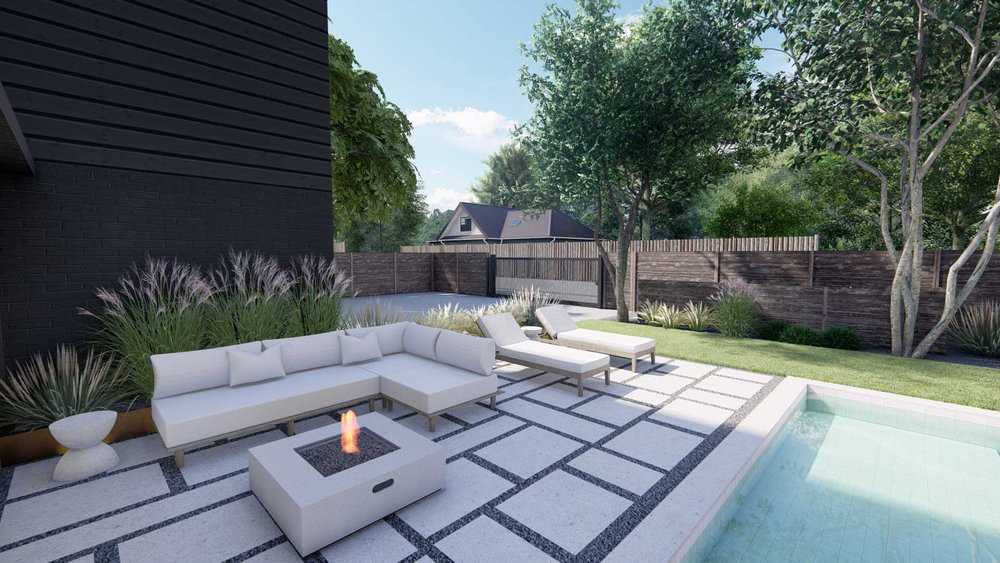
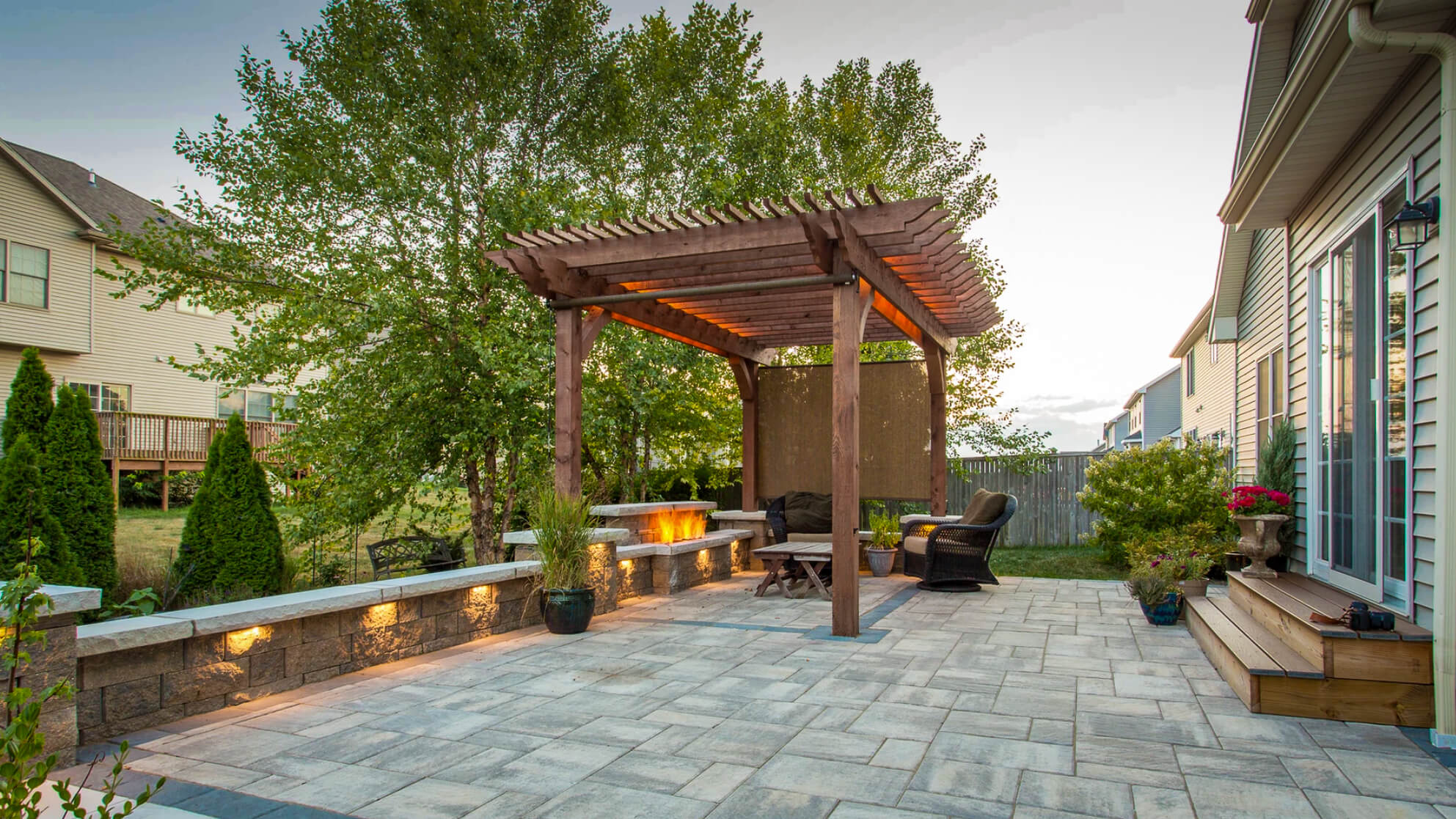
5. Create Entertaining Zones with Natural Stone Patios
Forget plain old decks. For true, Chicago-tough luxury, install a natural stone patio that’s as durable as it is dreamy.
Top patio stones for Chicago include:
- Travertine (freeze-resistant and elegant)
- Slate (rustic and textured)
- Granite (sleek and long-lasting)
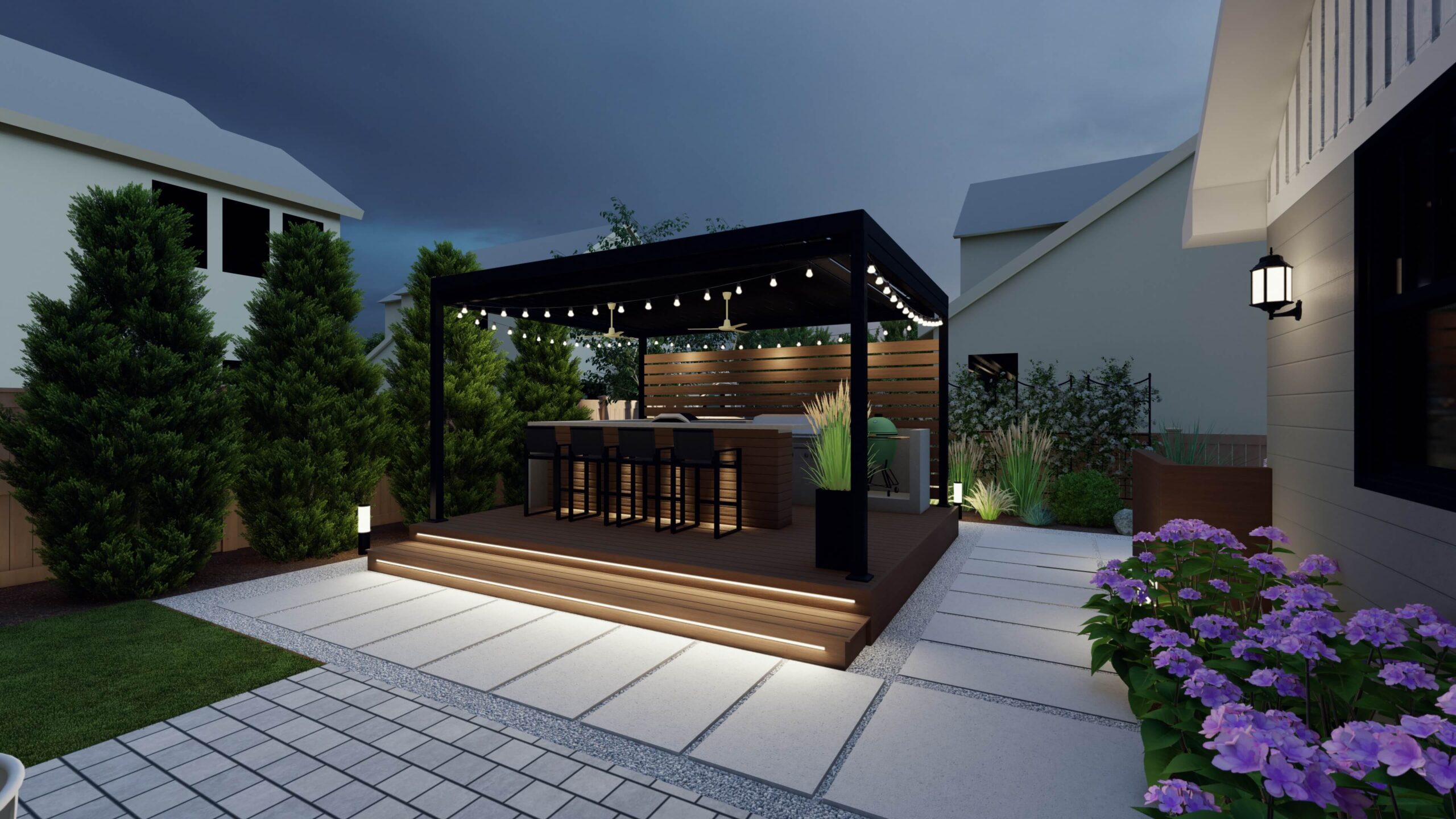
Use different patterns or border stones to create visual interest. Bonus points if you include a fire feature, built-in grill, or pergola nearby.
6. Driveway Makeovers That Scream “Custom Curb Appeal”
Who says driveways have to be boring gray slabs?
Upgrading your driveway is one of the quickest ways to instantly enhance curb appeal while improving functionality.
Ideas include:
- Brick paver driveways for classic charm
- Decorative concrete with bold edging or diamond patterns
- Dual-material layouts using stone and gravel for texture
7. Add Vertical Interest with Outdoor Stonework Features
The best hardscaping isn’t just flat—it’s layered and dimensional.
That’s where vertical elements come in:
- Stone or paver water features
- Sculptural walls or columns
These elements make your yard feel curated and complete. And in real estate? Perceived luxury equals higher value.
Want Your Hardscape to Work as Hard as You Do?

At Luxterra Outdoors, we help Chicago homeowners like you turn plain yards into powerful property assets. Whether you want a cozy paver patio or a full-blown hardscape design, we bring the tools, talent, and energy to make it happen—season after season.
👉 Let’s talk about how your next hardscape project can boost your home’s value and style.
FAQ: Lesser-Known Hardscaping Questions
How long does hardscaping typically last in Chicago’s climate?
When done right, hardscaping can last 20–30 years or more—even in Chicago’s intense climate. The key is using high-quality, freeze-thaw-resistant materials, installing proper drainage, and staying on top of seasonal maintenance like sealing and de-icing. A professionally installed hardscape holds up far better than a DIY quick fix.
Can hardscaping be designed to accommodate accessibility needs?
Absolutely. Hardscape features can be custom-designed with ADA-compliant ramps, wider pathways, non-slip textures, and step-free zones for wheelchairs or strollers. Whether it’s for aging in place or inclusive entertaining, a professional contractor can tailor your design for accessibility without sacrificing style.
Do hardscape materials affect home insurance or taxes in Chicago?
Sometimes, yes. Permanent additions like stone patios or retaining walls may increase your property’s assessed value, which could impact taxes. On the flip side, well-designed hardscapes can improve drainage or fire resistance, potentially lowering certain insurance risks. It’s best to consult your agent and a local contractor during planning.
Next Up: Going Green the Smart Way
Don’t miss our next article: Is Artificial Turf a Smart Choice for Chicago Lawns? Here’s What to Know.
We’ll break down the pros, cons, and everything in between for turf-loving Chicagoans who want green grass without the hassle.