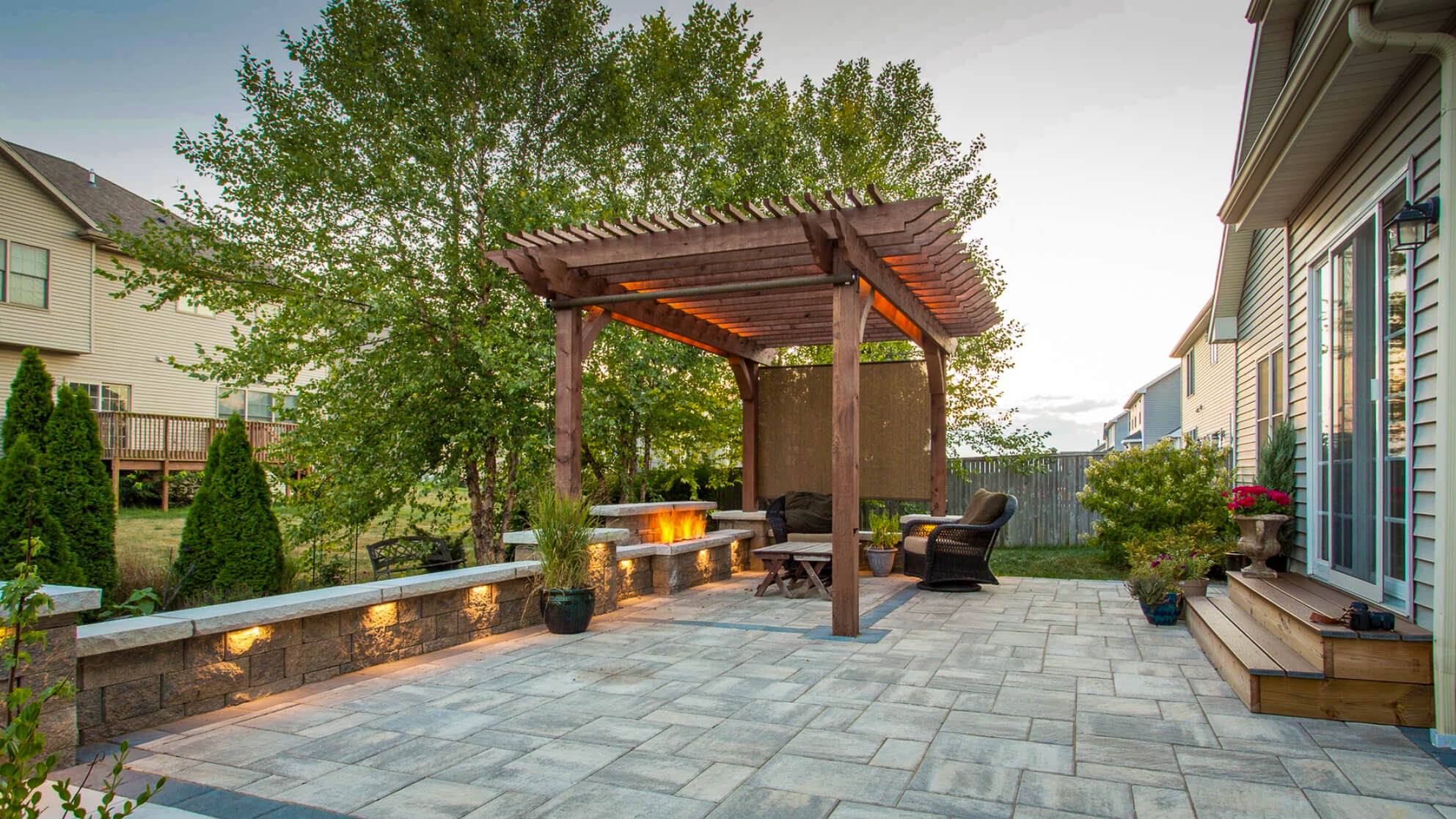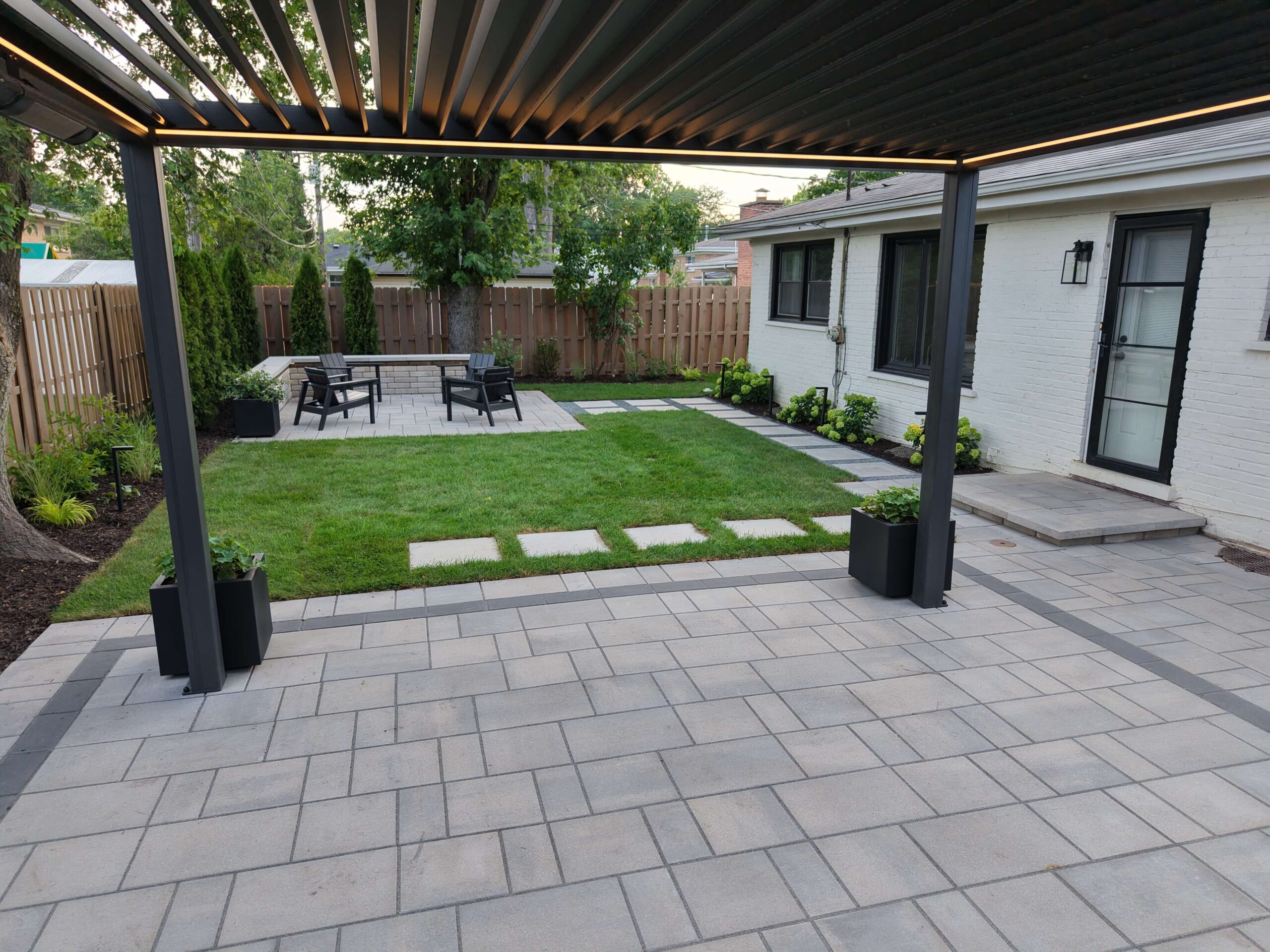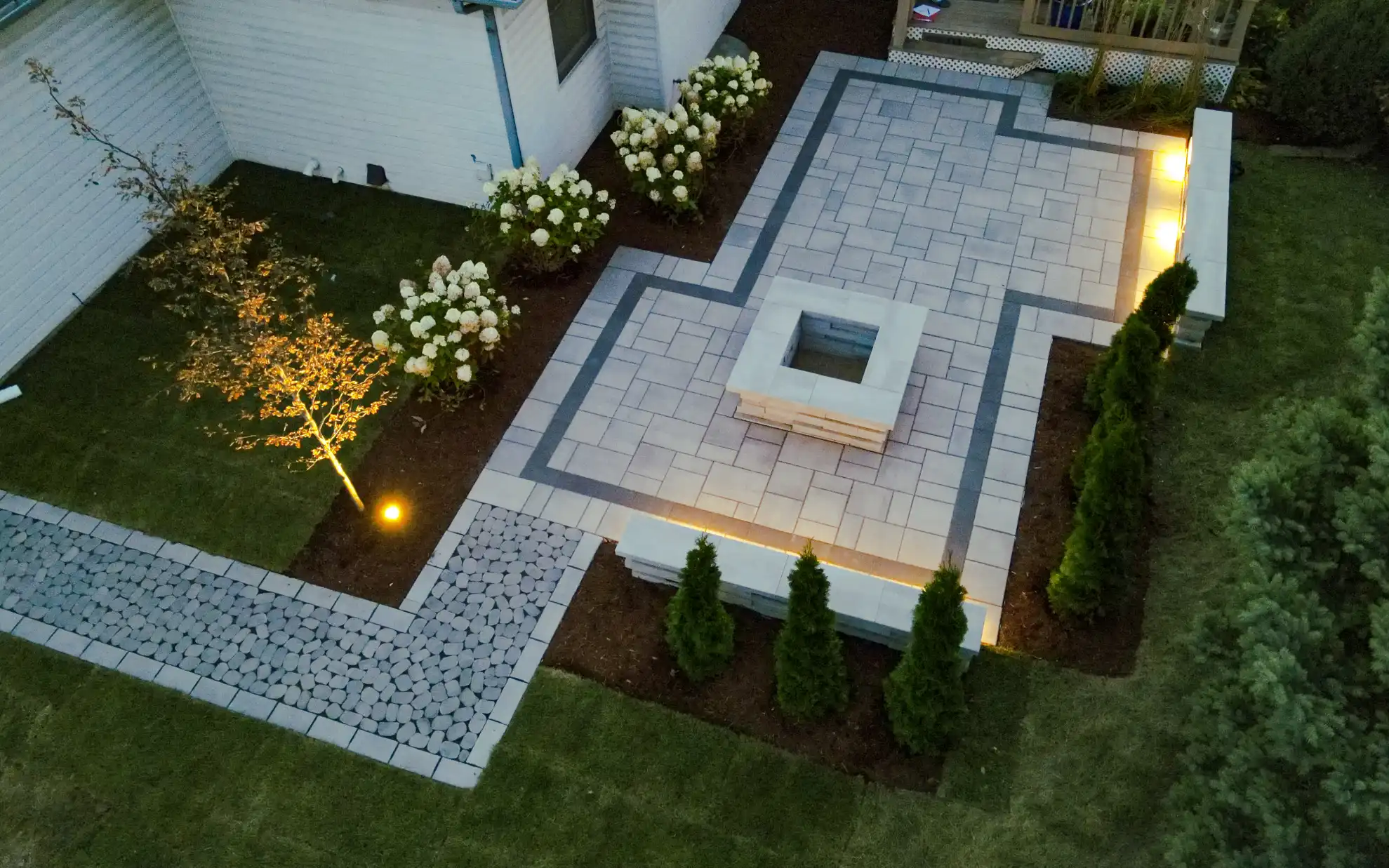

A new paver patio represents a significant investment in your outdoor space, so protecting its appearance naturally becomes part of the maintenance conversation. Sealing is one option, but it isn’t required for every patio or paving product.
So, should you seal pavers? The answer depends on the specific material, the look you prefer, exposure to stains and weather, manufacturer recommendations, and how much maintenance you are comfortable performing. For Naperville patios, seasonal conditions add another consideration because the surface experiences summer heat, precipitation, snow, ice, and repeated freeze-thaw cycles. Understanding what sealer actually does makes it easier to decide whether it belongs in your maintenance plan.
What Does Paver Sealer Actually Do?
Paver sealer is a surface treatment that changes how paving material responds to moisture, stains, and environmental exposure. Depending on the product, it may penetrate the surface or form more of a film over it. Sealers can also change the patio’s appearance by enriching color or adding different levels of sheen.
The specific result depends heavily on the sealer and paving material. A product appropriate for one concrete paver may not suit another surface, and manufacturer instructions should guide compatibility and application. Sealing should therefore begin with identifying the actual paving product rather than choosing a treatment solely because of the finish shown on the container.
What Are the Benefits of Sealing Pavers?
The benefits of sealing pavers are most noticeable when the treatment addresses a specific maintenance or appearance goal. Sealing may help with staining, moisture absorption, and color enhancement depending on the paving material and product selected. These benefits become easier to evaluate when considered individually.
Added Protection From Stains
Patios around outdoor kitchens, grills, and dining areas regularly encounter grease, food, beverages, and other potential stains. A compatible sealer can reduce how readily some contaminants penetrate the paving surface, making spills easier to clean. This is especially useful in heavily used entertaining areas where staining risks are higher.
Color and Appearance
Some sealers deepen the natural color of concrete pavers and create anything from a subtle finish to a more noticeable sheen. This treatment can help emphasize color variation and make certain paving patterns more visually pronounced. However, anyone who prefers the material’s untreated appearance may decide color enhancement is unnecessary.
Easier Routine Maintenance
Reducing surface absorption may make routine cleaning more manageable, especially in high-traffic areas. Sealing does not make pavers maintenance-free, since joints, stains, debris, and general surface condition still require attention. Instead, it becomes part of a broader maintenance plan tailored to the specific patio.
What Are the Downsides of Sealing Pavers?
Consider the pros and cons of sealing pavers, since sealing creates an ongoing maintenance decision. Once the appearance depends on a particular sealer finish, the surface may eventually need cleaning, preparation, and resealing to maintain a consistent look.
Also keep in mind that if you seal a paver patio within the first year of installation, you may trap moisture, and minerals that escape the paver can create a white haze called efflorescence between the face and the brick of the sealer film, which will not look pretty.
Some sealers can also alter traction or produce a finish that looks different from what the owner expected. Improper application may cause cloudiness, an uneven appearance, trapped moisture, or other visible problems. These risks make correct product selection and preparation just as important as the decision to seal.
Sealing also adds maintenance rather than eliminating it. A sealed patio still needs cleaning, joint care, and periodic inspection, while structural problems must be handled separately.
What Happens If You Don’t Seal Pavers?
Leaving pavers unsealed does not automatically mean the patio will fail. Many paving products are used without sealer, and the need for treatment depends on the material, manufacturer guidance, exposure, and appearance expectations. An unsealed patio can still perform well when the paving units and underlying installation suit the site.
However, an untreated surface may be more vulnerable to certain stains or appearance changes, depending on the material. Sunlight, precipitation, organic debris, food, grease, and normal outdoor use can gradually affect the surface’s appearance. Some owners are comfortable with natural aging, while others prefer a more controlled appearance.
This distinction is important because sealing is primarily a surface-management decision. It shouldn’t be presented as something every paver patio needs to remain structurally sound.
How Often Should You Seal Pavers?
No single schedule applies because products and patio conditions vary, but generally every 3-5 years is an industry standard for maintenance. Sealer type, paving material, sun exposure, precipitation, foot traffic, cleaning practices, and winter conditions can all affect how quickly a treatment wears. Manufacturer recommendations provide a better starting point than following a universal calendar.
Many sealers are marketed around multi-year maintenance cycles, but visible performance matters more than automatically applying another coat on a particular anniversary. Areas exposed to heavy use or weather may change faster than protected portions of the same patio. Evaluating the existing finish before resealing helps prevent unnecessary applications.
Also, clean and prepare the patio properly before adding another treatment. Recoating a dirty surface or applying an incompatible product over an existing sealer can create problems that are more difficult to correct than ordinary weathering.
How Long Does Paver Sealer Last?
Paver sealer lifespan depends on much of the same information that determines resealing frequency. Penetrating and film-forming products behave differently, while individual formulations vary in durability and intended use. Traffic and exposure can further shorten or extend the period before the treatment noticeably changes.
Instead of expecting an exact number of years from every product, watch the patio’s actual condition. Fading color, changing water behavior, uneven sheen, or reduced stain resistance may indicate the previous treatment is wearing. Those signs should lead to an evaluation of the surface rather than an automatic additional coat.
For Naperville patios, winter maintenance also deserves attention. Snow removal, deicing products, moisture, and freeze-thaw exposure can affect paving surfaces differently, so maintenance should follow recommendations for both the paver and sealer.
Sealer Cannot Fix a Sinking or Poorly Drained Patio
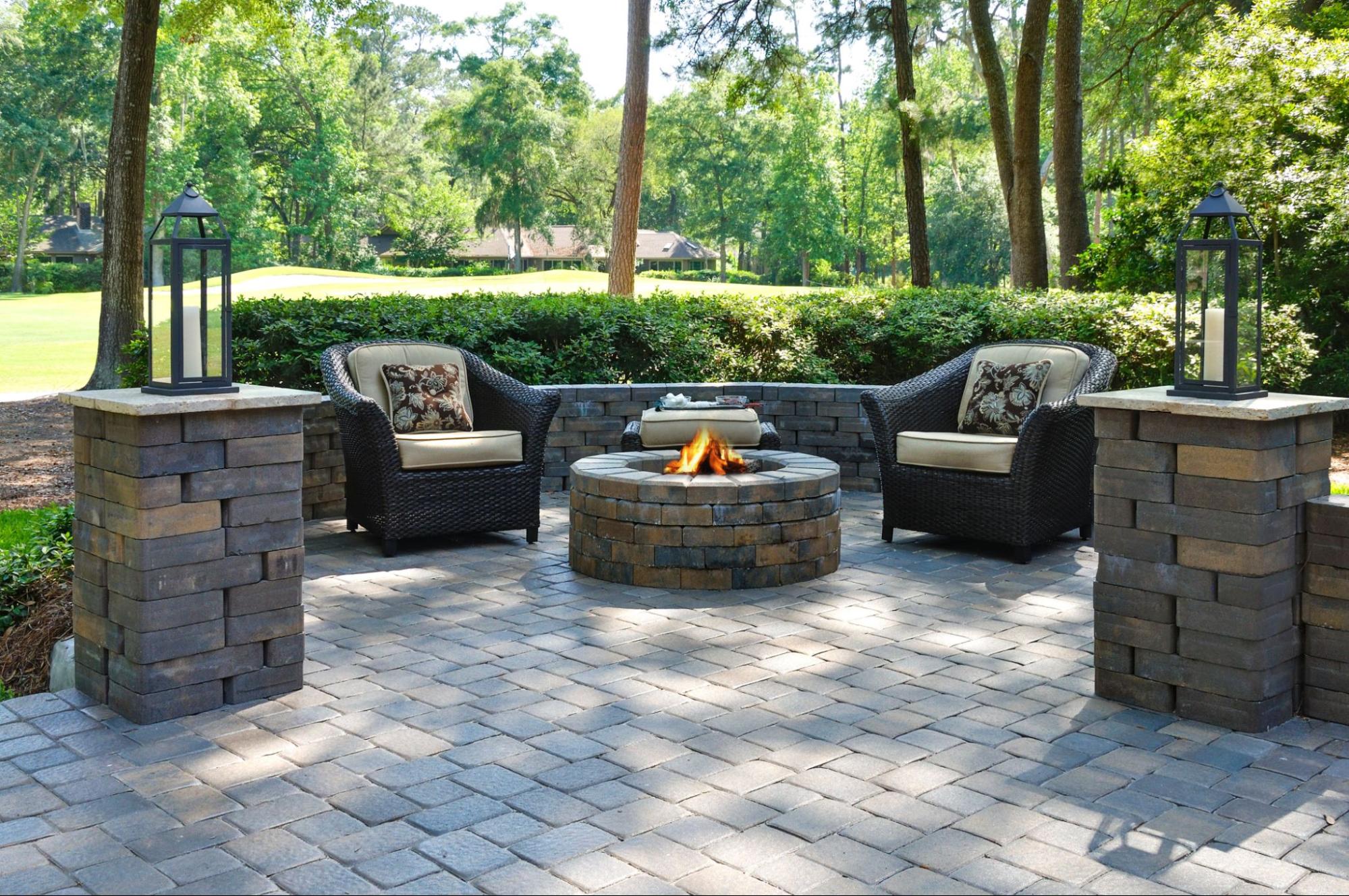
Sealing protects or modifies the surface; it doesn’t rebuild what is underneath. If pavers are sinking because of inadequate base preparation, erosion, poor compaction, or another underlying condition, applying sealer will not stabilize them. Drainage problems likewise need to be corrected at their source.
This distinction matters because some patio symptoms are mistakenly treated as maintenance problems when they are actually construction problems. Standing water, recurring settlement, spreading edges, and significant joint failure deserve investigation before cosmetic treatment. Sealing a patio without resolving those issues may improve its appearance temporarily while leaving the real problem untouched.
A long-lasting patio therefore begins with design and installation quality. Surface treatments should complement a sound patio system rather than compensate for a failing one.
Should You Seal a New Paver Patio Right Away?
Don’t automatically seal new pavers as soon as installation ends. Product requirements vary, and some paving manufacturers or sealer companies specify waiting periods, cleaning procedures, moisture conditions, or other preparation before application. Following the requirements for the specific materials is safer than assuming every new patio follows the same timeline.
Decide the desired appearance before treatment. Testing a compatible sealer in a small, inconspicuous area can help reveal how much it changes color and sheen. Once the entire patio is treated, discovering that the finish is darker or glossier than expected becomes a much larger problem.
If sealing is part of the original landscape plan, you can discuss it during material selection. That lets appearance and maintenance expectations shape the paving choice before installation, rather than making it an afterthought.
When Is Paver Sealing Worth It?
Sealing usually makes the most sense when there is a clear reason to do it. A patio used frequently for cooking and dining may benefit from additional stain resistance, while someone who selected pavers specifically for a richer sealed appearance may value color enhancement. In other situations, leaving a suitable paving product unsealed may better match the desired look and maintenance expectations.
Consider sealing when:
- The patio has significant exposure to food, grease, or staining
- A richer or more defined paver color is preferred
- The selected paver manufacturer recommends or supports sealing
- You are comfortable with future cleaning and resealing
- The chosen product provides a specific benefit your patio needs
- Moss buildup
Avoid treating sealer as an automatic upgrade simply because the patio was expensive. Protecting an investment means choosing maintenance that suits the actual material and environment, not adding treatments without a defined purpose.
Protecting Your Patio Goes Beyond Sealing
Effective patio maintenance goes beyond applying a surface product. Routine cleaning, managing joint condition, correcting drainage issues, removing stains appropriately, and watching for unusual movement all contribute to long-term performance. Winter care should also reflect the recommendations for the specific paving material.
Luxterra Outdoors considers maintenance during the design process because material selection influences what ownership looks like years after installation. A surface that fits your willingness to maintain it is usually a better choice than one selected only for how it looks when brand new.
Make Sealing Part of a Long-Term Patio Plan
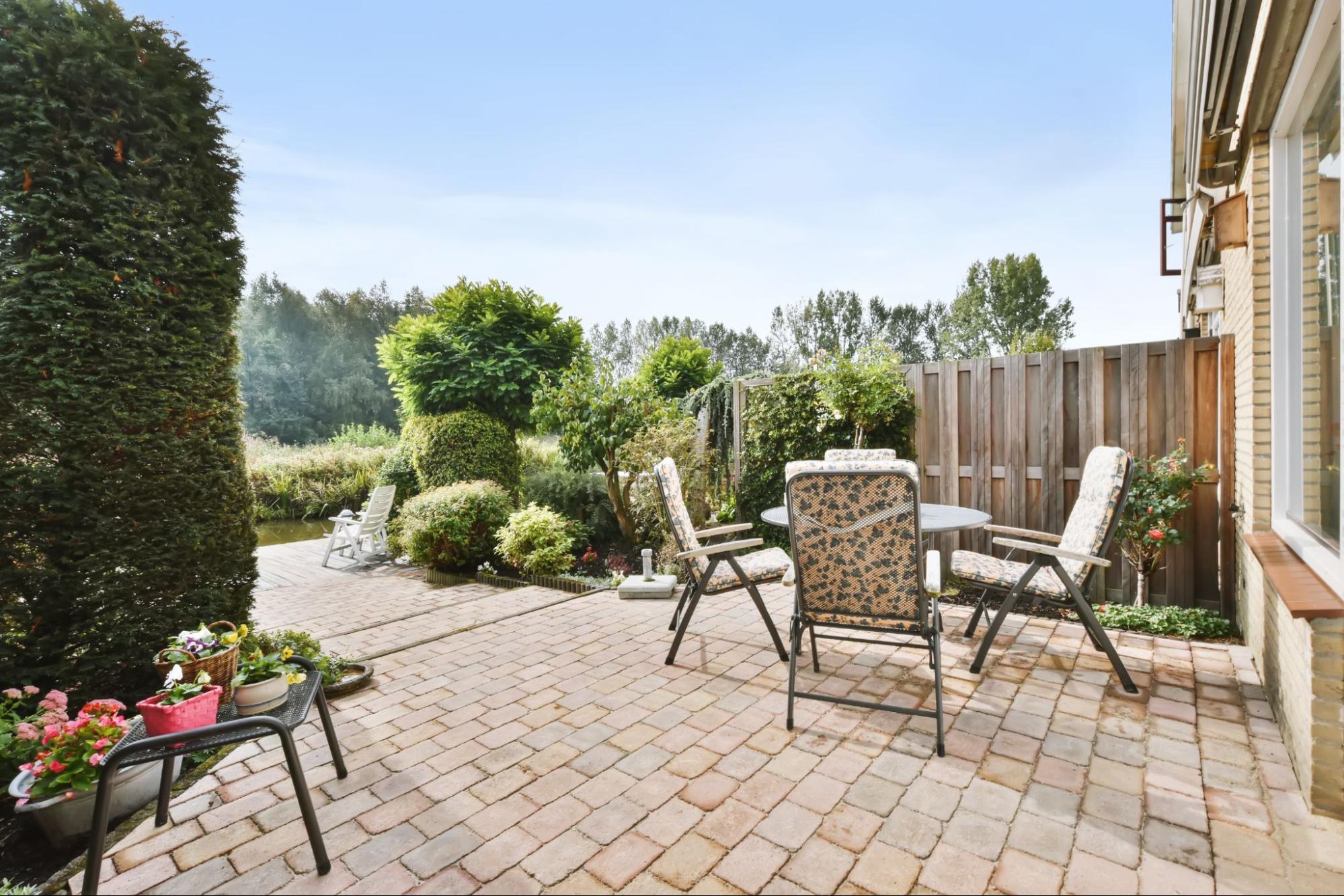
Whether you should seal pavers depends on the material, patio use, desired appearance, and maintenance expectations. Sealing can provide useful surface protection and aesthetic benefits, but it cannot replace proper installation or eliminate future patio care.
Luxterra Outdoors is a landscape design firm that designs outdoor living spaces with long-term performance and appearance in mind. If you’re planning a patio in Naperville or the surrounding Chicago area, contact Luxterra Outdoors to discuss materials, design, and maintenance choices that fit your property and outdoor living goals.
Frequently Asked Questions
Do all paver patios need to be sealed?
No, sealing is not automatically required for every paver patio. The decision should account for the specific paving product, manufacturer recommendations, staining exposure, desired appearance, and maintenance preferences.
Can you put too much sealer on pavers?
Yes, too much or improperly applied sealer can create an uneven or undesirable finish. Proper preparation, application rates, drying conditions, and compatibility with any existing treatment are important when sealing or resealing.
Does sealing pavers stop weeds?
Sealing is not a complete weed-prevention system because organic material and seeds can still accumulate around patio joints. Proper joint maintenance and routine cleaning remain important, whether the surface is sealed.
Explore More Outdoor Living Advice
Explore the Luxterra Outdoors blog for more guidance on landscape design, hardscaping, outdoor living features, project planning, and maintaining a thoughtfully designed Naperville backyard.