Ask most homeowners what boosts a home’s value, and the answer usually starts and ends with curb appeal. Realtors reinforce that instinct constantly. According to the National Association of Realtors, 92% of REALTORS have suggested sellers improve their curb appeal before listing a home, and 97% consider it important for attracting a buyer in the first place.
Curb appeal matters, but it only tells part of the story. Landscape design affects property value more than a first impression: it is about how thoughtfully designed outdoor space influences what buyers are willing to pay and what homeowners actually get to enjoy while they live there.
In a competitive market like Chicago’s, where buyers weigh every square foot of usable space, a professionally designed landscape can be the difference between a home that simply shows well and one that feels genuinely move-in ready. Treated as a design decision rather than a decorative afterthought, landscaping becomes one of the more reliable long-term investments a homeowner can make in their property.
Does Professional Landscape Design Actually Increase Property Value?
The short answer is yes, but the extent of its value depends heavily on whether the work is functional or purely decorative. A few new shrubs and a fresh layer of mulch might improve appearance for a season, but they rarely change how a buyer perceives the property. Functional upgrades, ones that improve drainage, create usable outdoor living space, or correct an awkward grade, tend to hold their value because they solve real problems rather than mask them.
Buyer perception plays a bigger role than most sellers expect. A backyard that already functions as an extension of the home, with defined seating areas, proper lighting, and a layout that makes sense, reads as move-in ready. That perception alone can shorten time on market and reduce the back and forth over price, since the buyer is not mentally budgeting for a redesign before they have even made an offer.
Why Design Is the Difference Between ROI and Regret
Plenty of landscaping projects lose money, not because the work was poor, but because it was never designed as a whole in the first place. A patio installed without considering where a future outdoor kitchen might go, or a tree planted where a pool eventually needs to sit, often means paying twice, once to build it and again to undo it.
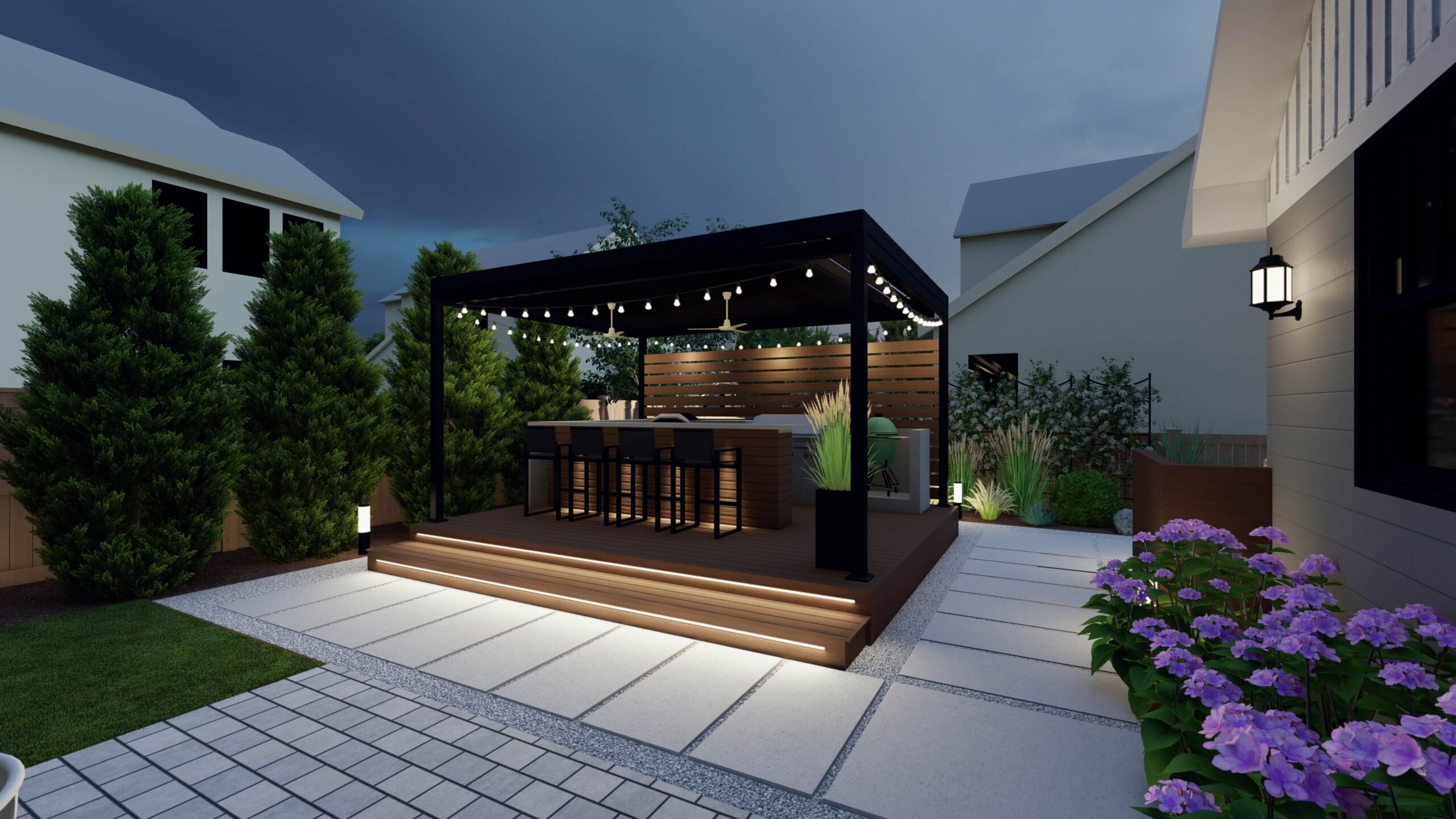
Professional design solves this before a single paver is set. Correct grading keeps water moving away from the foundation rather than pooling near it, and a layout planned around how a family actually uses their yard avoids the wasted space that can show up when projects are added piecemeal over the years. This is exactly why we walk every Chicago-area client through 3D landscape design before construction begins.
Seeing the full plan in advance, from grading to plantings to hardscape, is what turns a series of upgrades into one project built for long-term return rather than a collection of regrets.
What Outdoor Features Add the Most Functional Value?
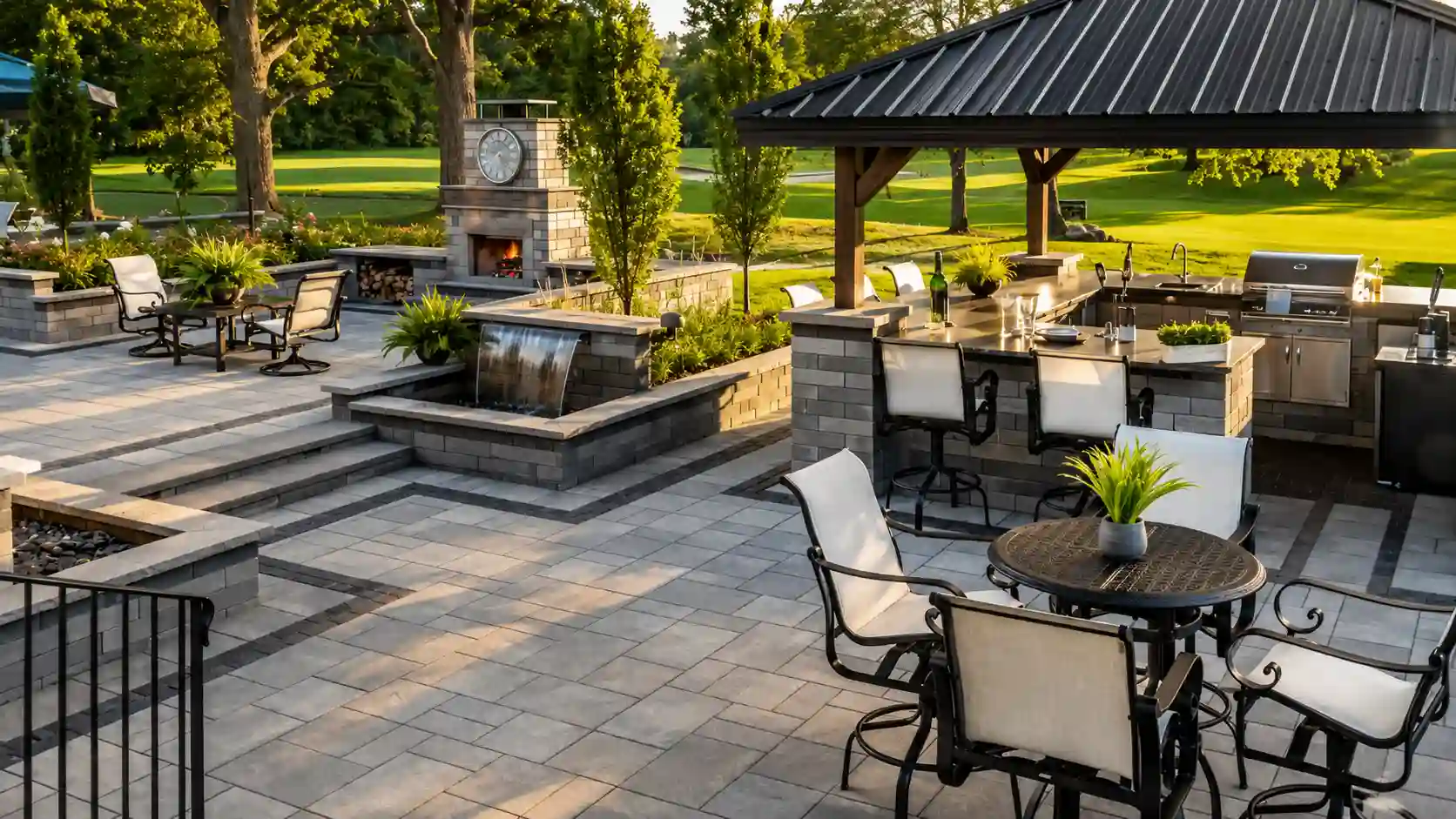
Some outdoor features consistently add more functional value than others, largely because they extend how and when a space gets used. An outdoor kitchen turns a backyard into a genuine entertaining space rather than just a place to grill, and buyers notice the difference between a freestanding grill and a built-in setup designed for real use.
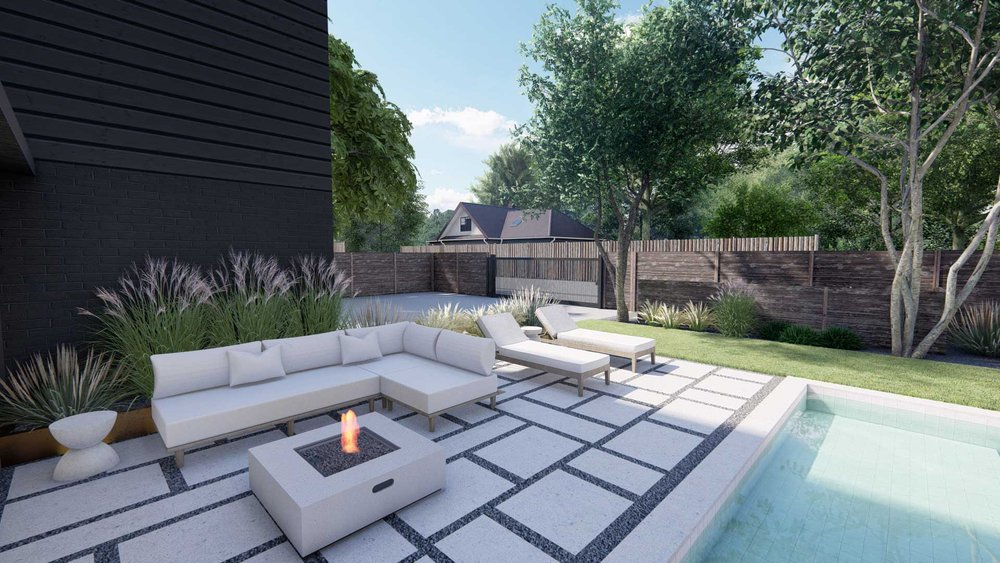
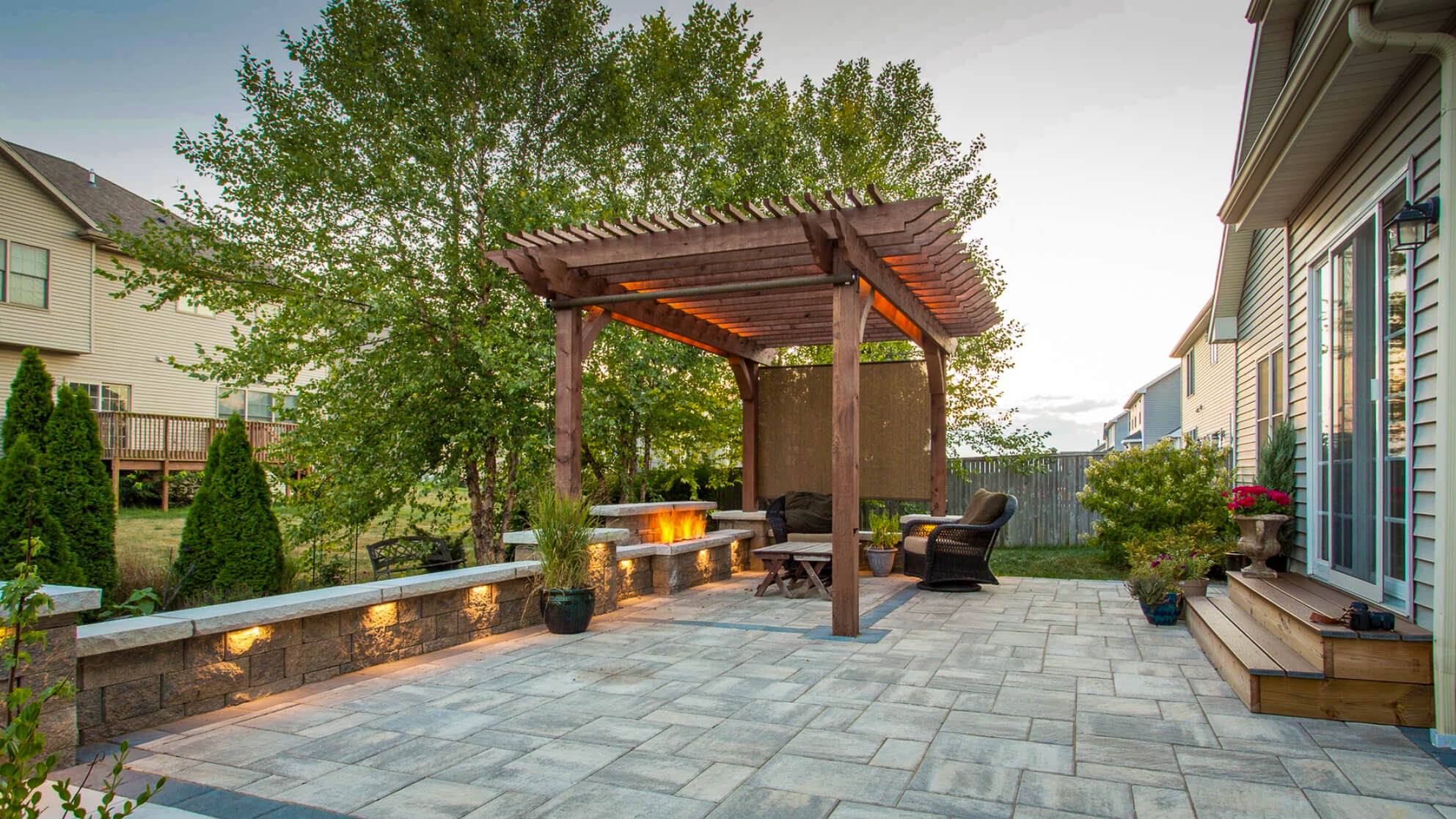
Permanent hardscaping and pavers add structure that lasts for decades when installed correctly, which is part of why they come up so often in conversations about property value. A well-built patio or paver driveway does not just look better; it defines usable square footage that a buyer can picture themselves using right away.
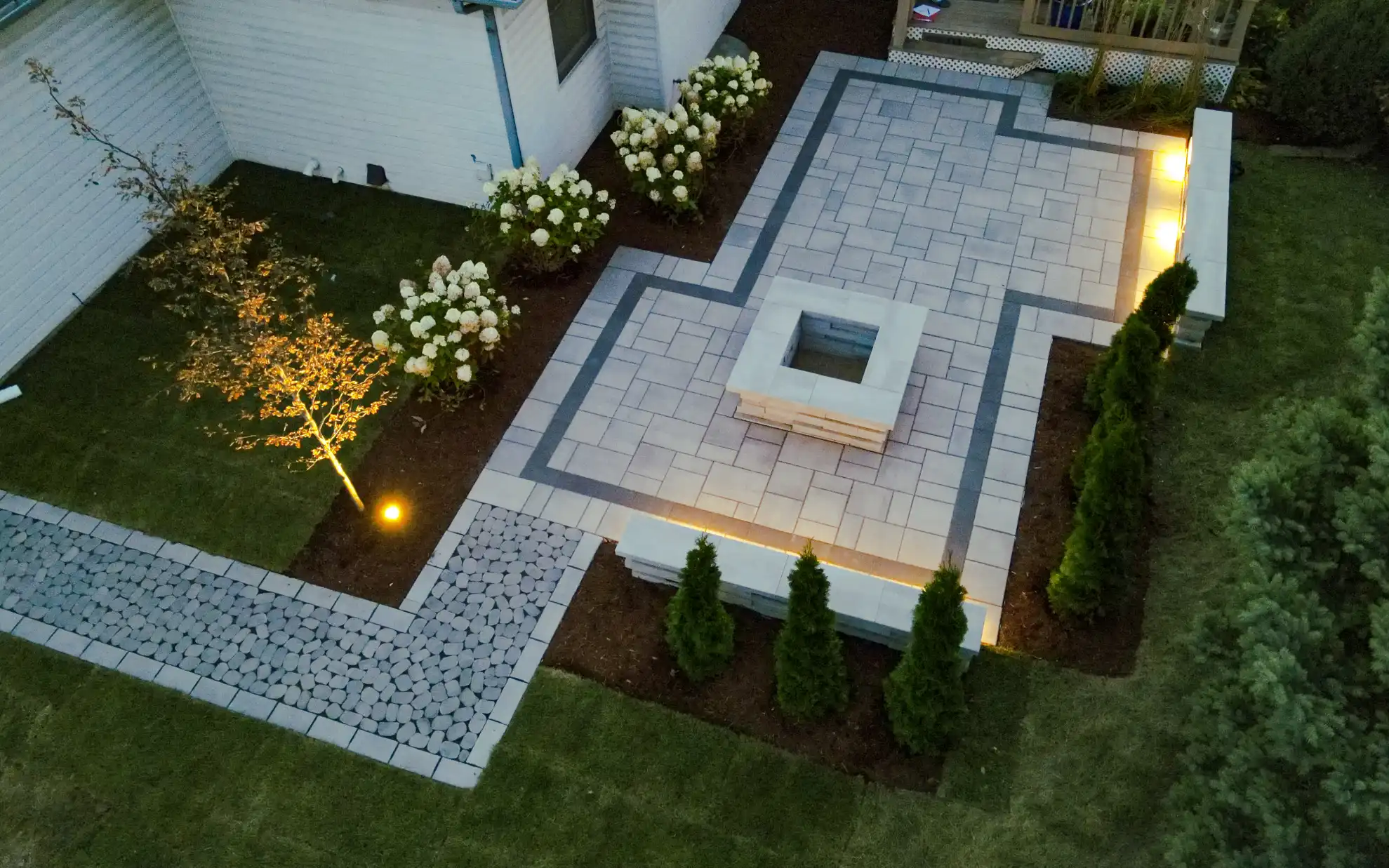
Outdoor fire features extend the usable season on both ends of the year, which matters in a climate like Chicago’s where outdoor time is already limited. A fireplace or fire pit that lets a family use their patio in October instead of just July adds real, lived-in value, not just a nice photo for a listing.
How Low-Maintenance Upgrades Protect Long-Term Value
Value is not only about what a landscape adds, it is also about what it costs a homeowner to protect over time. High-maintenance landscaping can quietly lose value if a future buyer sees it as a burden rather than a benefit, especially as buyers grow more cautious about upkeep.
Artificial turf installation is one of the clearest examples of a low-maintenance upgrade that protects value rather than just adding it. A consistently green, evenly maintained lawn signals that the rest of the property has been cared for, without the watering, mowing, and seasonal patchwork that natural grass demands in this region.
Where Chicago-Area Homeowners Turn for Value-Driven Landscape Design
LuxTerra Outdoors works with homeowners across Naperville and the greater Chicago suburbs who want their landscape to function as a real investment, not just a backdrop. Our design-build approach means the same team that creates your 3D plan also handles permitting and installation, so the vision that gets approved is the one that actually gets built.
Every project is completed by certified installers, and our approach reflects the 5-star average rating we’ve built across review platforms, because homeowners in this market can tell the difference between a landscape that was installed and one that was properly designed.
Frequently Asked Questions
What adds more value, pavers or landscaping?
Both add value, but they tend to work together rather than compete. Hardscaping like pavers, patios, and driveways builds the bones of a space, while plantings and softscaping fill in the character around them. The strongest return usually comes from combining the two in a single design rather than treating them as separate projects.
Are outdoor kitchens worth it in Chicago?
For homeowners who plan to stay in their home for several years and use their backyard regularly, yes. An outdoor kitchen extends the entertaining season and gives a home a genuine lifestyle feature that resonates with Chicago-area buyers who are used to a shorter outdoor season and value the extra usable months.
Does turf increase resale value?
The resale impact depends a lot on where it goes. In a front yard, turf holds up against Chicago’s freeze-thaw winters and dry summer stretches that leave natural grass patchy right when buyers are touring the property. In a backyard entertaining space, buyers tend to respond more to how usable the area feels than to what’s growing underfoot, so turf there supports value indirectly by keeping the rest of the design looking finished.
Ready to Turn Your Backyard Into a Long-Term Investment?
A landscape that adds real value starts with a plan, not a guess. Schedule a 3D landscape design consultation and see exactly how your outdoor space could look and function before a single shovel goes into the ground.