According to Fixr.com, 98% of industry professionals say an updated outdoor living space has a meaningful impact on home value. That return makes a backyard renovation easy to justify, which is also why so many homeowners end up overbuilding. Nearly 4 in 10 renovators exceed their original budget due to unexpected costs. In the Midwest, where seasonal labor demand peaks from April through September and material costs can shift between a winter quote and a spring order, a weak backyard renovation budget is an expensive problem. This guide breaks down what to include, what to prioritize, and when phasing actually saves money.
What Should You Budget for in a Backyard Renovation?
A complete backyard renovation budget has five components. Miss any one of them and the final number won’t hold.
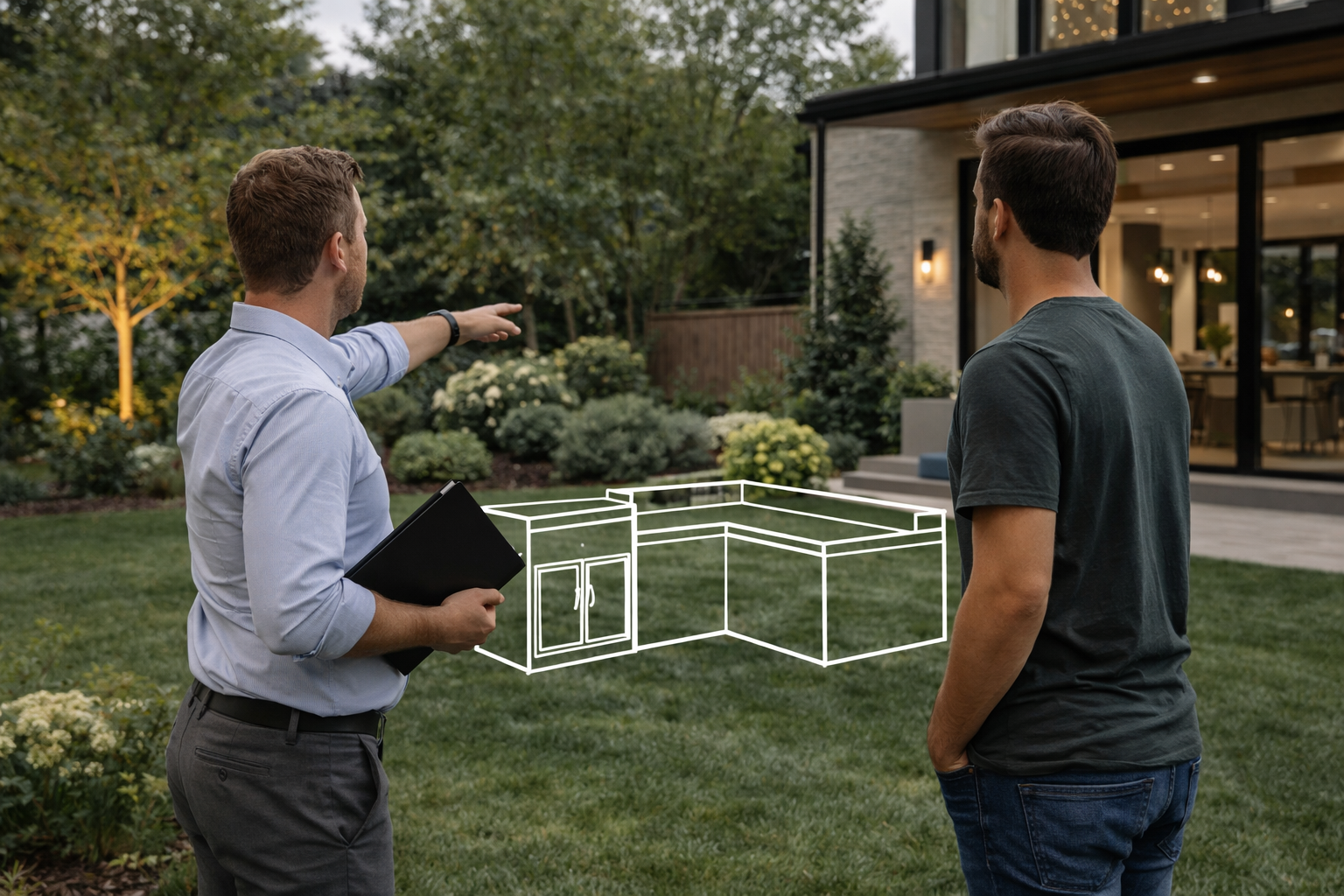
- Design and planning is the first line item homeowners cut and the first thing they regret. Starting with a 3D landscape design lets you visualize the full scope before committing to materials, which prevents costly revisions once the build is underway.
- Site prep and base work rarely gets enough attention in early conversations. Grading, drainage corrections, and excavation can add thousands depending on what’s beneath your yard’s surface, and you won’t know until work starts.
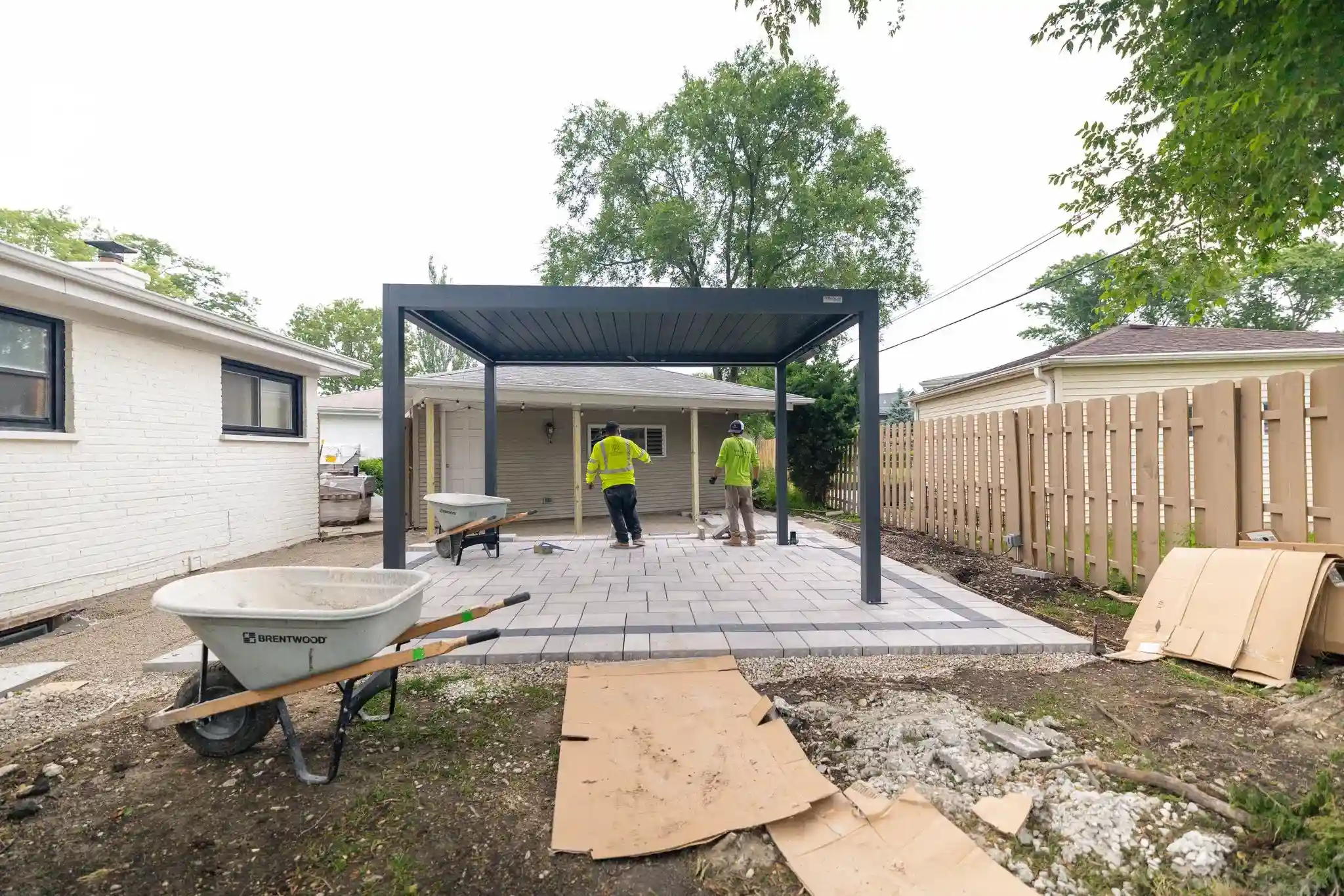
- Materials and labor make up the largest portion of any project. Hardscaping and pavers form the structural foundation of most backyard builds, and their cost varies significantly by material grade and square footage.
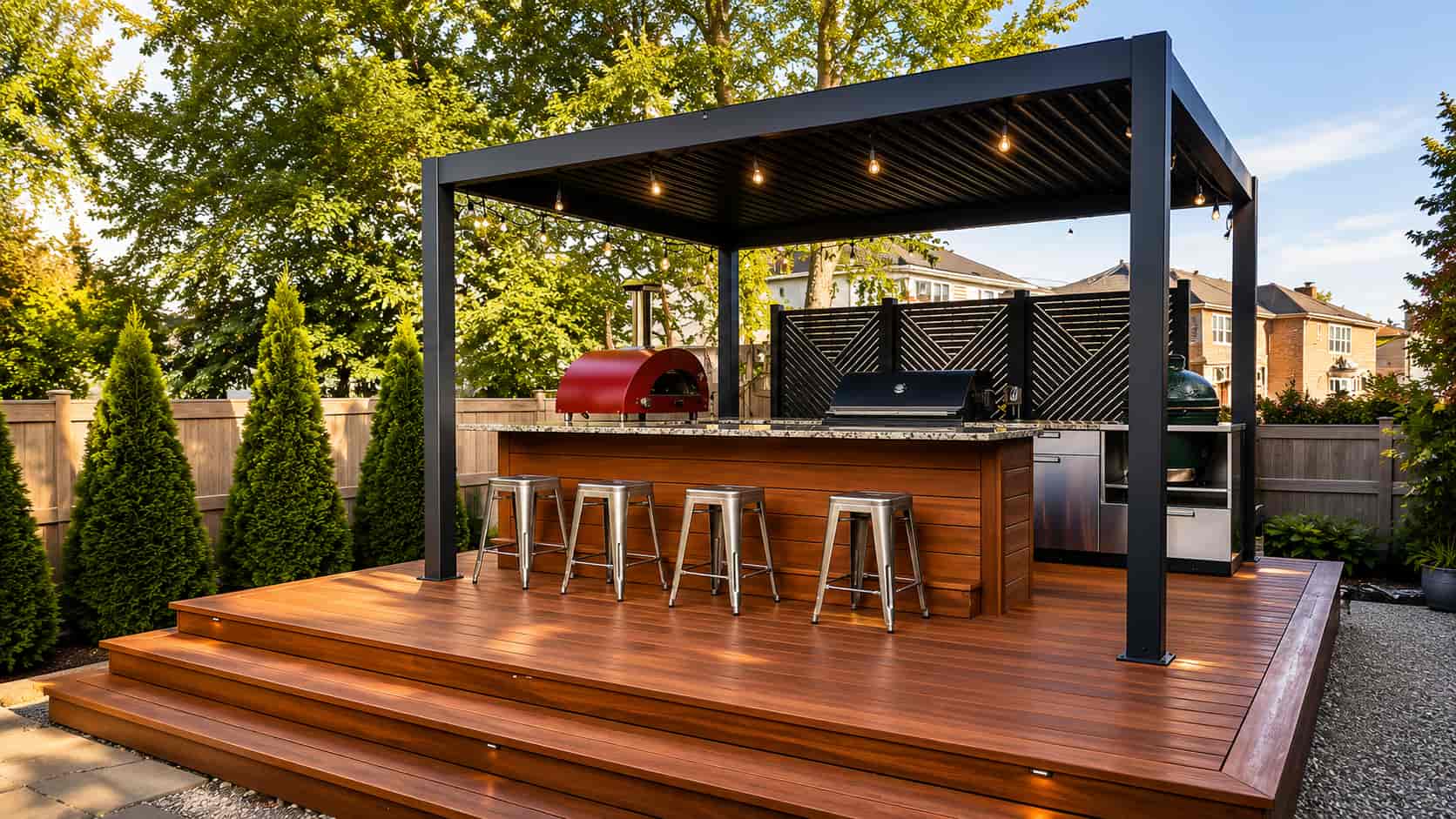
- Utilities for outdoor living require early planning when gas lines, electrical runs, or water connections are part of the design. If you’re adding an outdoor kitchen, the infrastructure decisions need to happen at the start of the build, not after the patio is poured.
- Contingency buffer. Add 10% to 15% beyond your projected total. Permit delays, soil issues, and material backorders are common in the Midwest, especially during peak construction season when contractor schedules tighten fast.
How Do You Prioritize Upgrades Without Overspending?
The instinct to add features tends to outpace available budget. Separating must-haves from nice-to-haves before the project starts is where cost control actually happens.
Start with structural and functional priorities. A patio surface that handles freeze-thaw cycles is a requirement in the Midwest. Built-in speakers and decorative lighting can wait. Building for function first and layering in aesthetics as budget allows is a more reliable sequence than the reverse; homeowners who do it backwards often spend twice.
Material durability also deserves its own consideration. Products that perform in warmer climates tend to fail in the Chicago area. Composite materials, sealed pavers, and weather-resistant structures cost more upfront but avoid the repair cycles that show up two or three seasons later.
For spaces that need a full overhaul from the ground up, full-service backyard renovation planning helps homeowners sequence priorities correctly, rather than making piecemeal decisions that end up costing more over time.
What Features Add the Most Value Per Dollar?
Not every upgrade carries equal weight in home value or long-term livability.
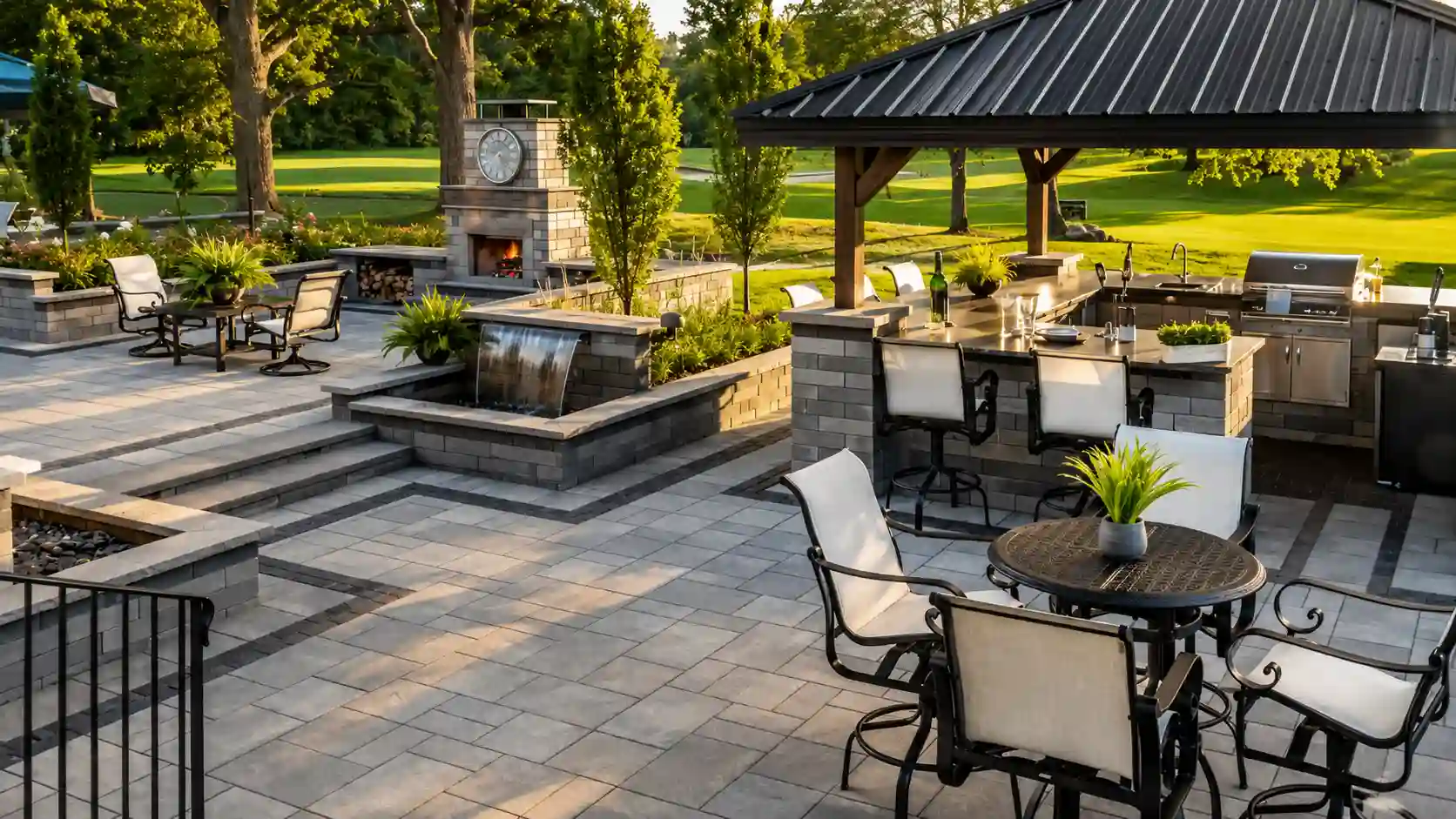
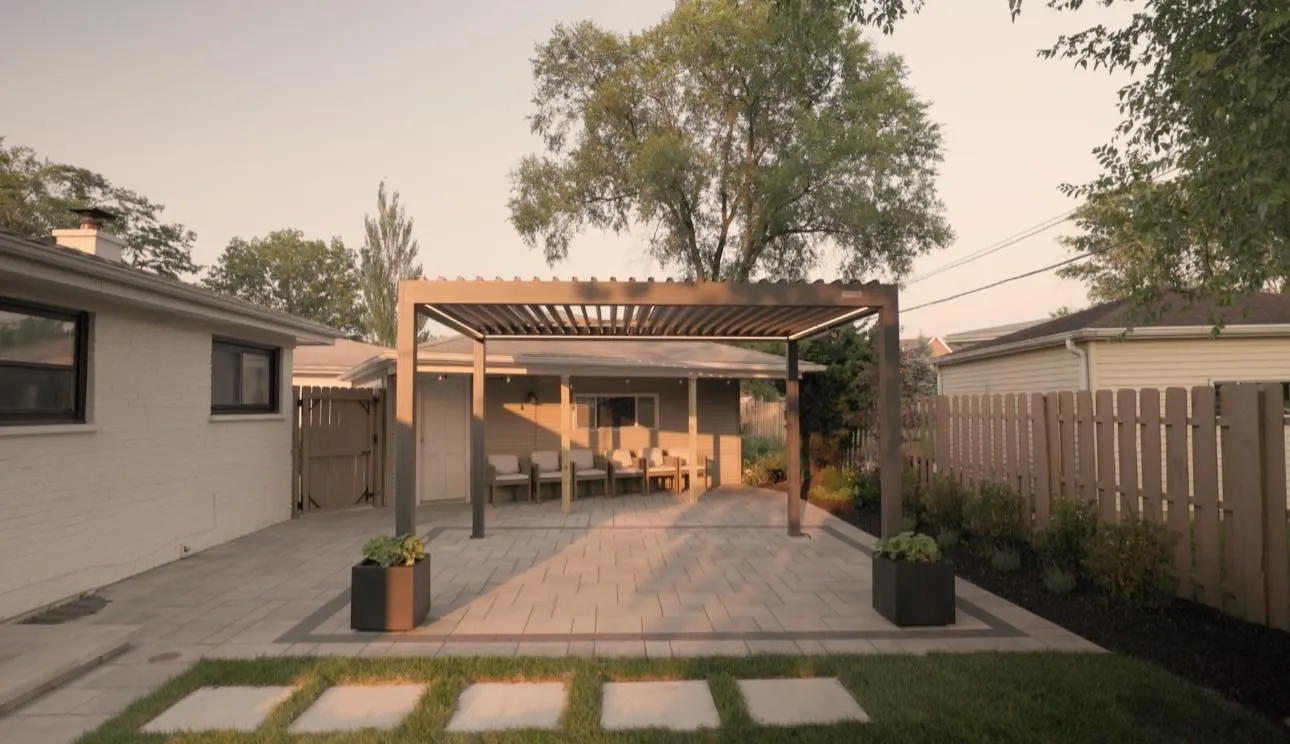
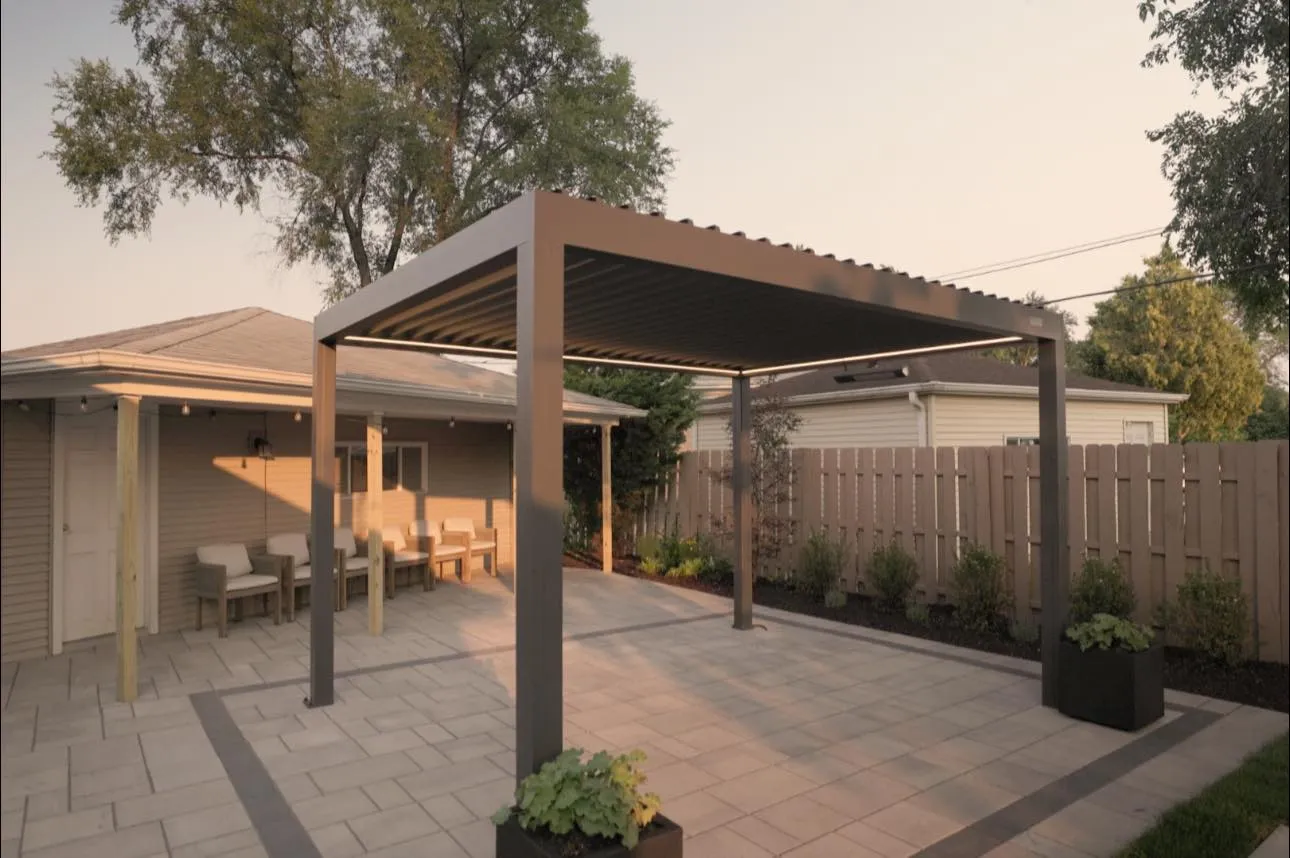
Hardscape first. Patios, walkways, and retaining walls are what buyers notice and what appraisers value most. Investing in quality hardscape before anything else protects every dollar spent on top of it.
Multi-season comfort features. Usable outdoor space is a premium in the Midwest. Outdoor fire features extend the season from late summer into fall, adding lifestyle value and property appeal without a large construction footprint.
Low-maintenance surfaces. Artificial turf installation removes recurring lawn care costs and performs consistently year-round. For homeowners who want a clean yard without ongoing upkeep expense, it’s one of the stronger cost-per-year investments in the backyard category.
Should You Build Everything at Once or Phase It?
Phasing often makes financial sense, but only when the phases are planned before work begins, not designed on the fly.
Phase by season with a clear sequence. The Midwest construction window runs roughly seven to eight months. Front-loading structural work in year one leaves room for cosmetic additions in year two without disruption or costly rework.
Infrastructure-first is non-negotiable. Drainage systems, underground utilities, and base layers need to go in before any finish work. Retrofitting these elements after the fact typically costs 30% to 40% more than installing them during the original build.
Starting with a professional 3D landscape design lets a two or three-phase project be mapped as a coherent whole, so phase two doesn’t require undoing phase one’s work. Hardscaping and pavers nearly always serve as the right foundation layer, establishing the footprint that everything else builds around.
What Are the Cost Considerations and Budgeting Tips for Custom Countertops?
When budgeting for custom countertops, homeowners should consider several factors that influence the overall cost. The type of material selected, the countertop size, and the complexity of the installation all factor into the final price.
Here are some budgeting tips for homeowners:
- Research Material Costs: Understand the price range for different materials to make an informed decision.
- Get Multiple Quotes: Obtain estimates from several contractors to compare pricing and services.
- Plan for Additional Costs: Consider potential extra costs for installation, such as plumbing or electrical work.
By planning and understanding the costs involved, homeowners can effectively budget for their custom countertops.
Frequently Asked Questions
How much should I budget for a backyard renovation in Naperville?
Most projects in the Naperville area range from $25,000 to $100,000 or more depending on scope, materials, and features. A design consultation is the most reliable way to get an accurate number for a specific property and set of goals.
What upgrades increase home value the most?
Hardscaping consistently returns strong value because it improves both curb appeal and functional living space. Outdoor kitchens, fire features, and well-designed lighting also increase perceived value, particularly in markets where outdoor entertaining factors into buying decisions.
Is phasing a backyard renovation cheaper or more expensive?
Phasing can reduce total cost, but only when the infrastructure is planned upfront. Without a master plan, phasing creates rework that adds cost. A phased approach built around a clear design blueprint typically costs less than a piecemeal build assembled over time without a plan.
Build It Right the First Time With Luxterra Outdoors
The most common reason backyard renovations go over budget isn’t material or labor costs; it’s starting without a plan. Homeowners who begin with a clear design, a realistic budget framework, and a prioritized feature list spend less and end up with spaces that hold their value. Luxterra Outdoors starts every project with a design consultation that maps your space, priorities, and budget before any money is committed to materials. From 3D visualization to full-service builds, the team manages every phase from concept through completion.
Contact Us to start planning your project, or Request a Quote and get a clear budget roadmap for your backyard renovation.