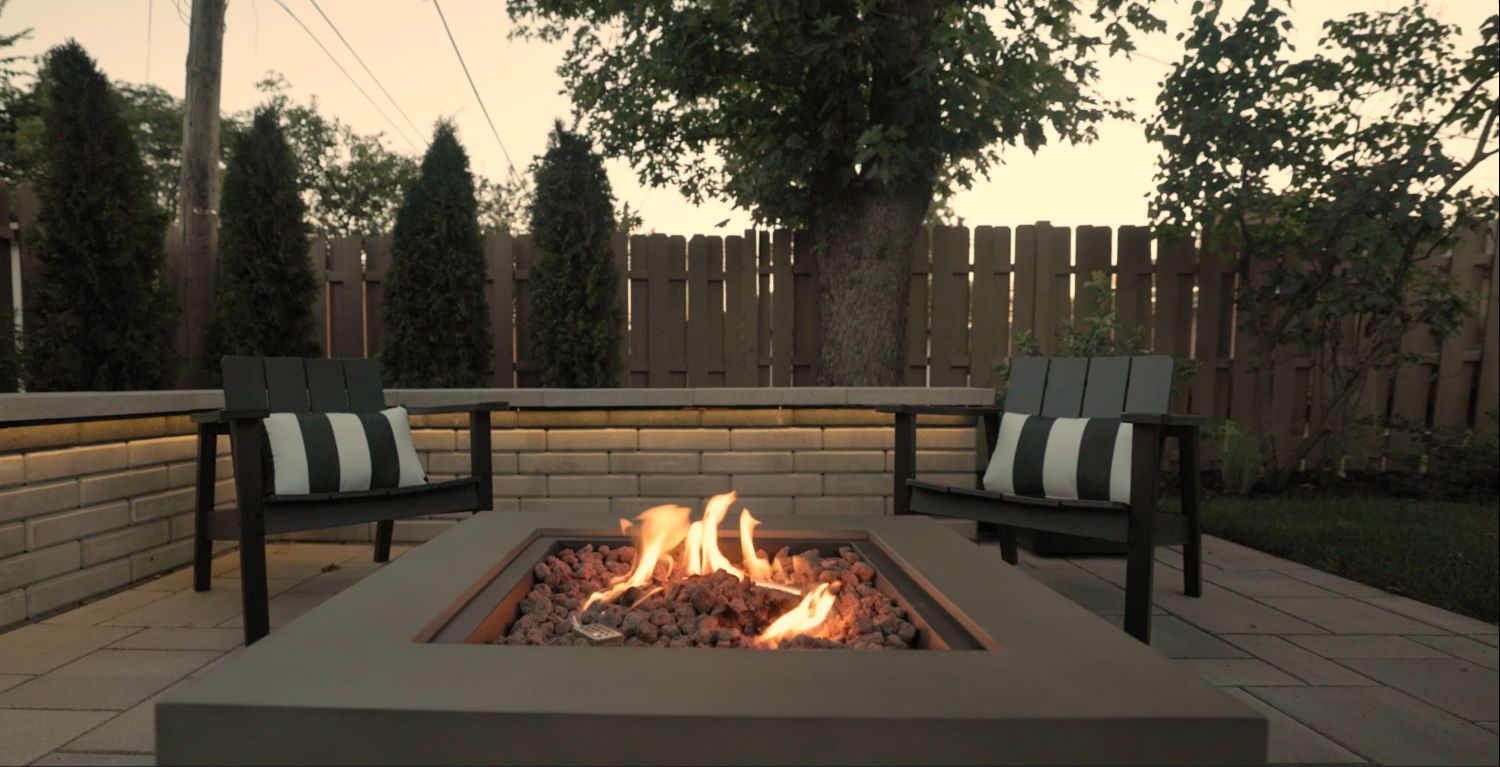
A crackling fire under the stars—nothing says cozy outdoor living like an outdoor fireplace. But here’s the truth: it’s not just about stacking bricks and striking a match. In Des Plaines, where neighborhoods are close-knit and winters can be brutal, safety, compliance, and materials matter more than ever.
That’s why homeowners are paying close attention to backyard fireplace safety, outdoor fire pit codes, and fire feature materials before diving into design. At Luxterra Outdoors, we’ve helped families craft beautiful, functional fireplaces that not only wow neighbors but also check every box when it comes to safety and style.
If you’ve been thinking about fireplace installation in Des Plaines, keep reading. We’ll cover the building codes, material must-haves, and design best practices so your fireplace is as safe as it is stunning.
Step 1: Know Your Local Building Codes
The first step in building an outdoor fireplace in Des Plaines is checking the local building codes. These codes outline how far fireplaces must sit from property lines, homes, fences, or combustible structures.
Common Requirements (varies by city):
☑️ Fireplaces must be at least 10 feet from the house or garage
☑️ Height restrictions may apply for chimneys
☑️ Gas lines must be installed by licensed professionals
☑️ A permit is often required for permanent fireplaces
Pro Tip: Don’t wing it. Always check with Des Plaines city offices or hire a pro who knows the outdoor fire pit codes inside and out.
Step 2: Choose Safe, Durable Materials
Not all materials are made to handle heat. If you want a fireplace that lasts and doesn’t crack or crumble, you’ll need fire-resistant materials and heat-resistant stone designed for high temperatures.
Best Materials for Outdoor Fireplaces:
- Fire bricks (for the firebox interior).
- Cast iron grates (to withstand heat).
- Natural stone like granite or limestone (durable and stylish).
- Concrete block with veneer (a cost-effective option).
Skip cheap materials—your fireplace will only be as strong as what it’s built from.
Step 3: Decide Between Wood-Burning and Gas
Both options have perks, and the choice depends on your lifestyle.
Wood-Burning Fireplace
- Traditional crackle and campfire scent.
- More affordable upfront.
- Requires regular cleaning and chimney maintenance.
Gas Outdoor Fireplace
- Convenient—flip a switch to start.
- Cleaner burn with less smoke.
- More expensive to install but easier long-term.
Some homeowners even install dual systems for maximum flexibility.
Step 4: Think About Smoke and Safety
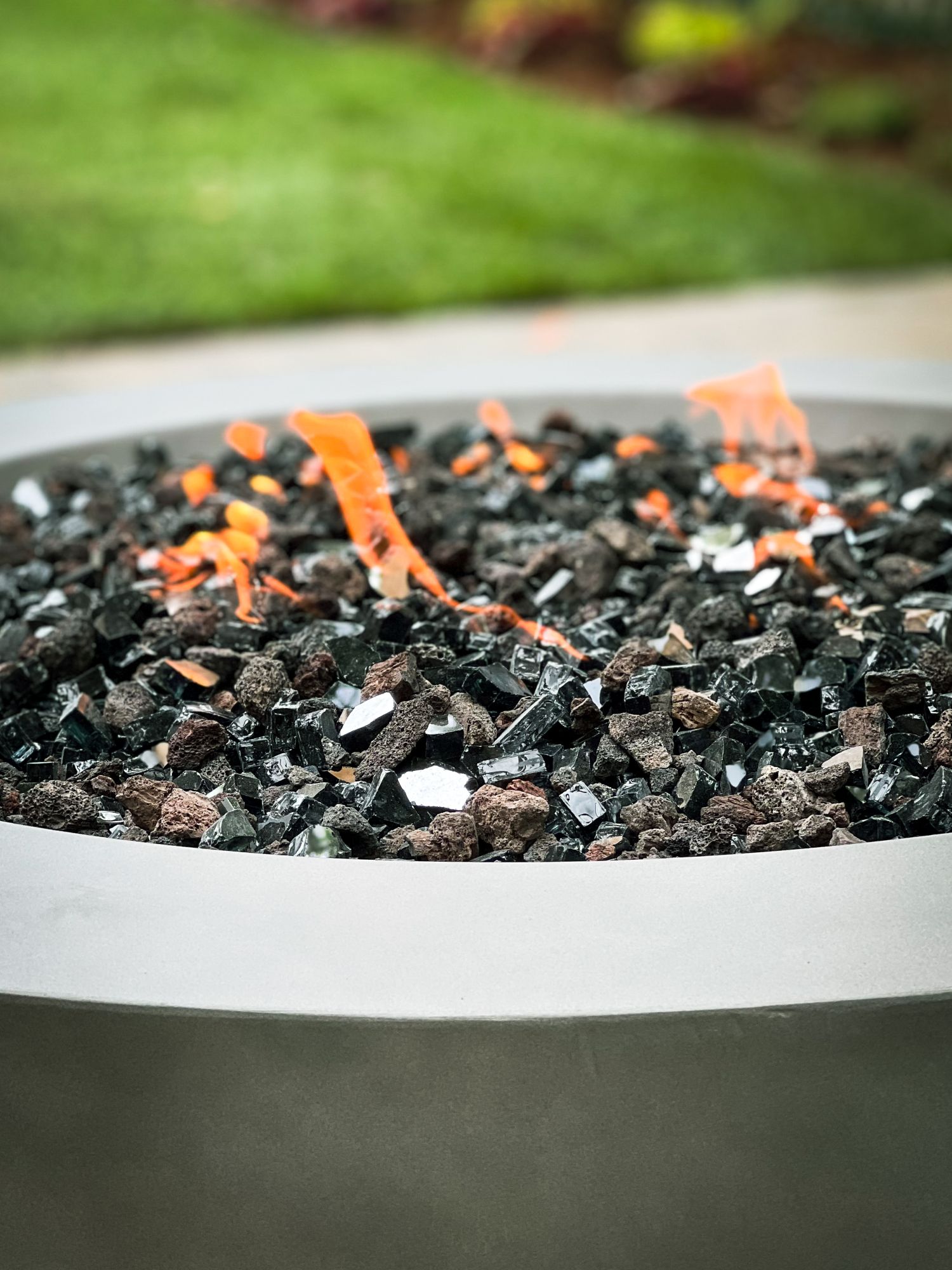
Smoke is more than an annoyance—it’s a safety and comfort issue. Modern fireplaces can be built with smoke control fireplace features like tall chimneys, spark guards, and strategic positioning to keep smoke away from seating areas.
Backyard fireplace safety tips:
- Always use a spark screen.
- Never burn treated wood or trash.
- Keep a bucket of sand or an extinguisher nearby.
- Ensure the fireplace is placed on a level, fire-safe surface.
Step 5: Design for Function and Flow
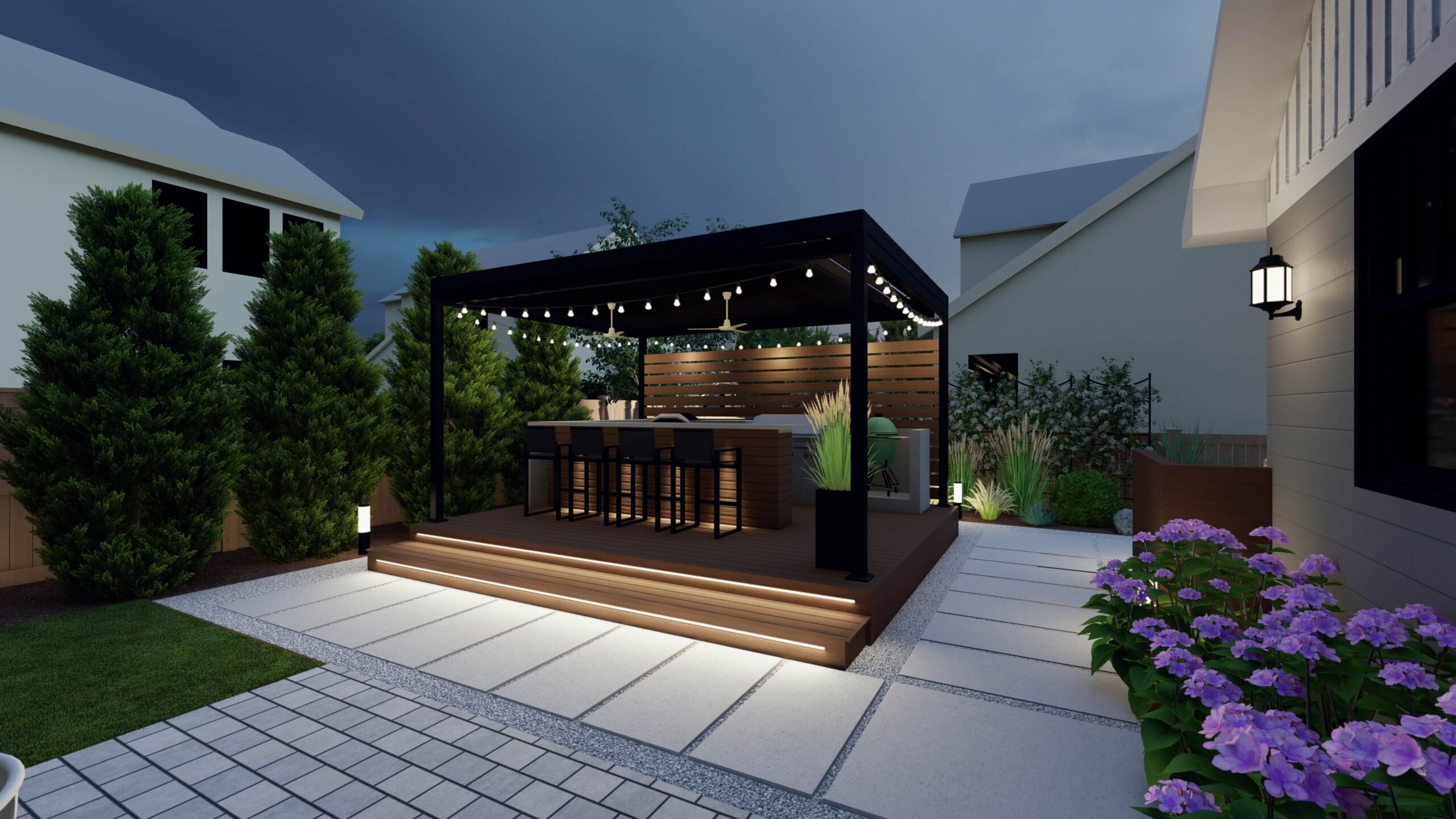
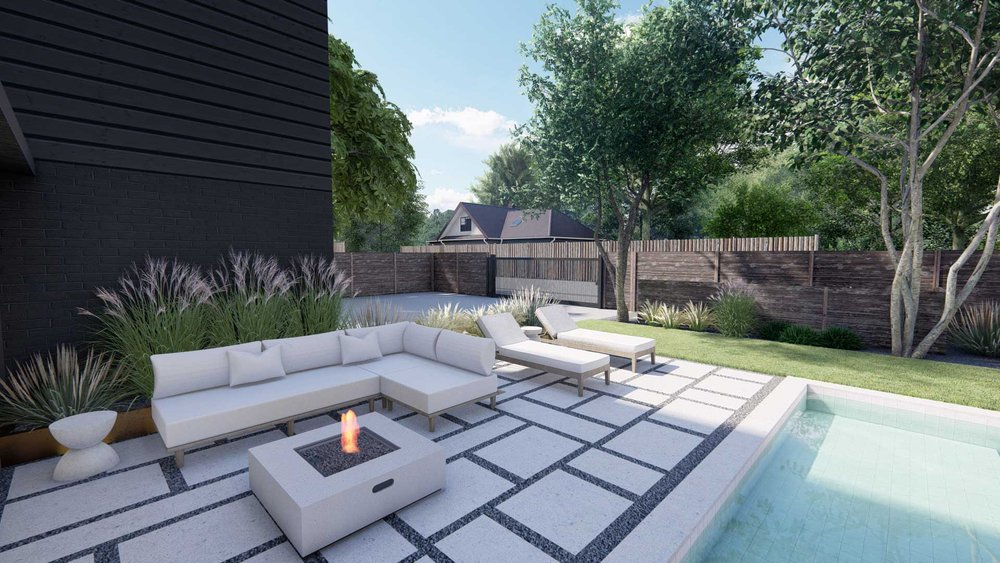
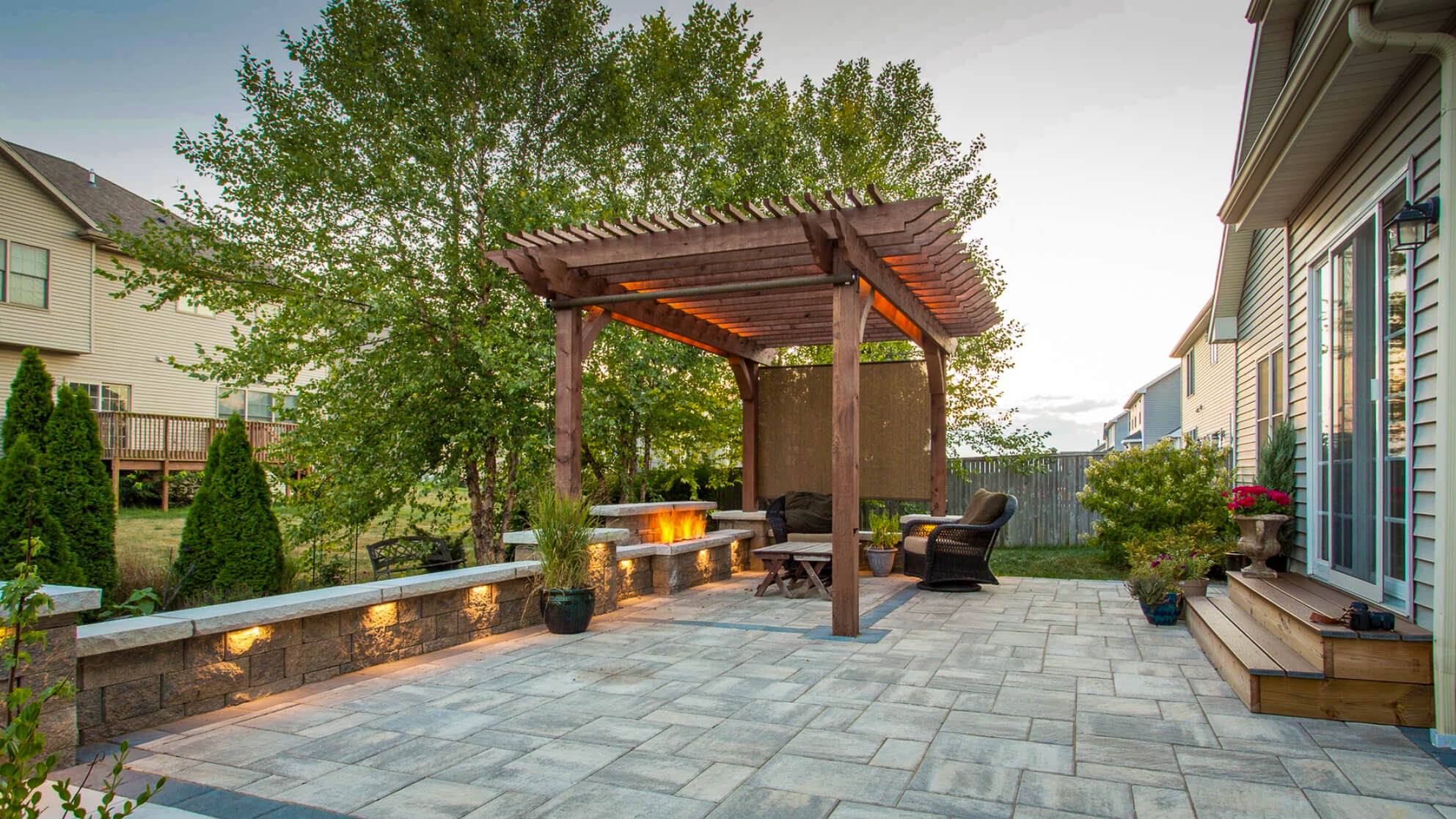
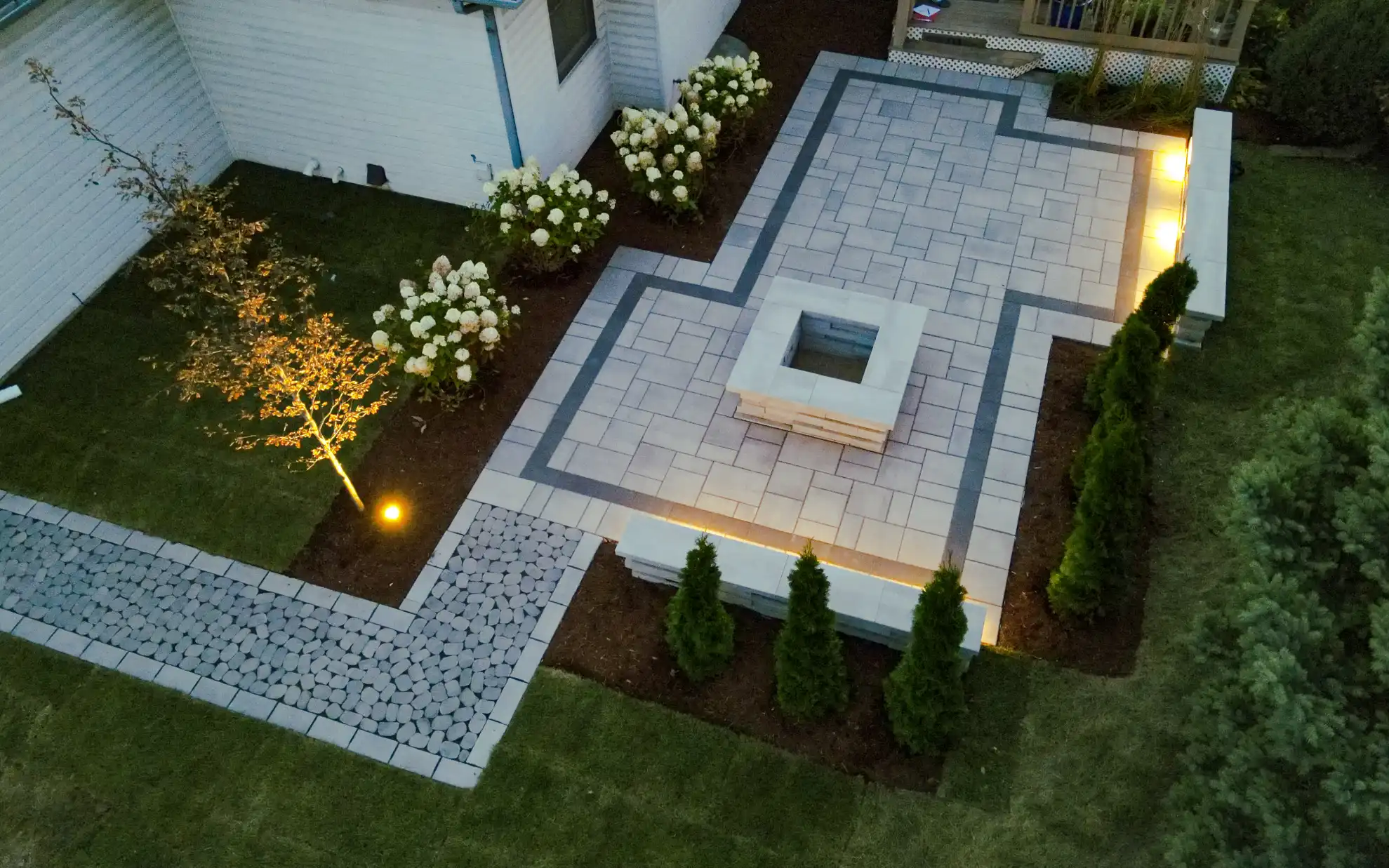
An outdoor fireplace isn’t just a heating feature—it’s a focal point. That means your patio fireplace design should tie into the rest of your landscape.
Best Practices for Fireplace Placement:
- Center it on a patio wall for symmetry.
- Integrate with raised planters and seating walls for dual-purpose features.
- Surround with modern fire features like built-in benches or stone walkways.
- Choose finishes that match your home’s exterior.
Done right, your fireplace looks intentional and seamless—not like an afterthought.
Step 6: Add Modern Touches for Style and Convenience
Today’s fireplace design trends go way beyond brick boxes. Homeowners in Des Plaines are asking for:
- Contemporary stone veneers in cool grays.
- Built-in log storage niches.
- Gas starters for easier wood burning.
- Lighting accents for nighttime drama.
Fireplaces aren’t just for warmth—they’re statement pieces that set the tone for your backyard.
Step 7: Don’t Forget Maintenance
The best fireplace in the world won’t stay safe if it’s ignored.
Key Maintenance Practices:
- Sweep out ashes regularly.
- Inspect chimneys for buildup or blockages.
- Check mortar joints annually.
- Replace damaged fire bricks promptly.
With a little upkeep, your fireplace can last decades without issue.
Design Directions: Outdoor Fireplaces That Fit Every Lifestyle
|
Style
|
Materials
|
Best For
|
|
Rustic Retreat
|
Natural stone + heavy timber
|
Cozy backyard cabins, wood-burning lovers
|
|
Modern Minimalist
|
Smooth concrete + sleek metal
|
Contemporary patios, clean-lined patio fireplace designs
|
|
Classic Brick
|
Red or reclaimed brick + cast iron details
|
Traditional homes, timeless curb appeal
|
|
Luxury Statement
|
Heat-resistant stone + custom veneer
|
Large backyards, upscale entertaining spaces
|
|
Compact & Cozy
|
Small firebox + outdoor fire pit hybrid
|
Tight Arlington Heights lots, intimate gatherings
|
|
Dual-Purpose Build
|
Fireplace + seating wall or storage
|
Multi-functional entertaining areas, families with kids
|
Bring the Warmth Home—Safely and in Style
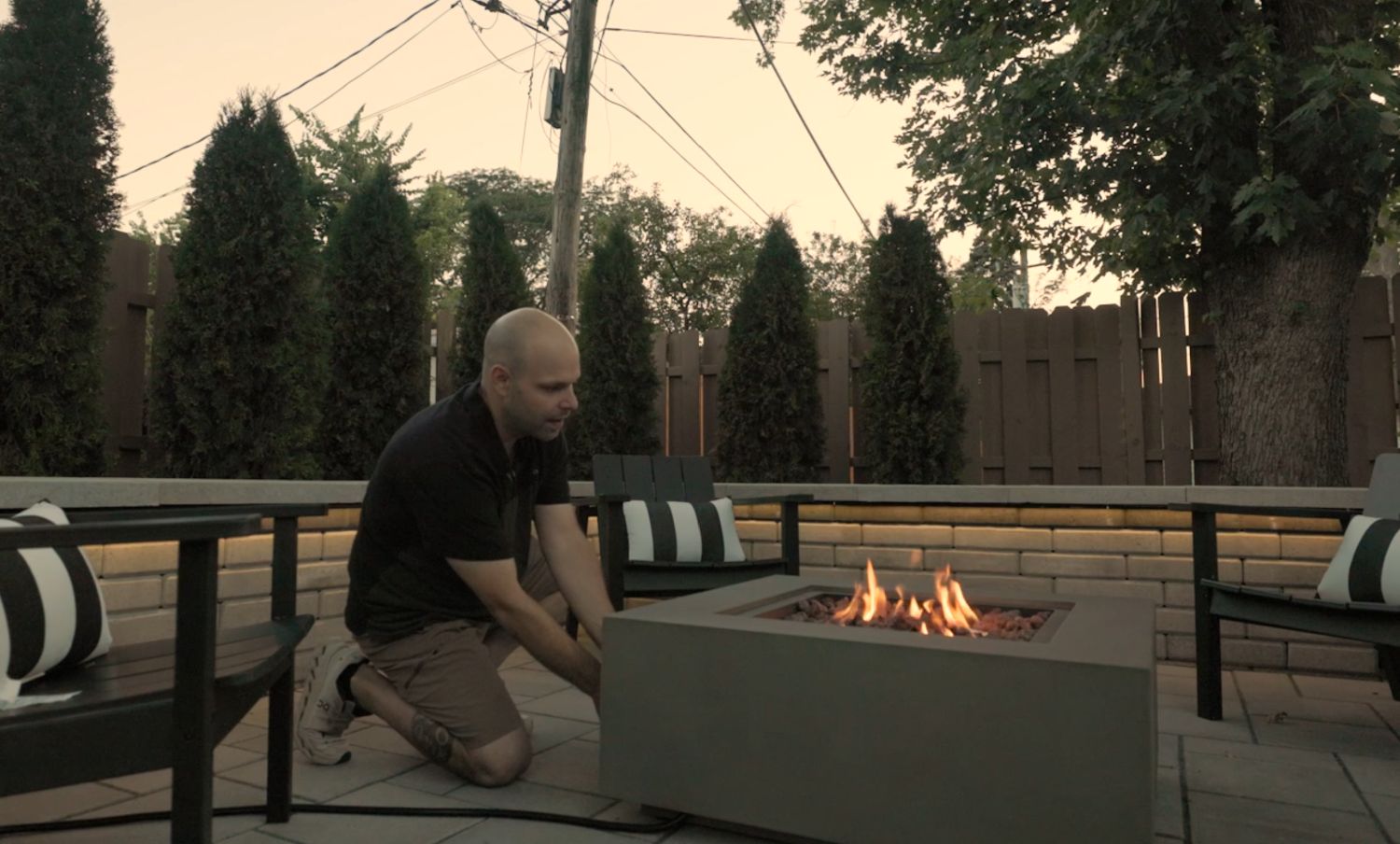
If you’re ready to enjoy the beauty and comfort of an outdoor fireplace, don’t leave safety to chance. At Luxterra Outdoors, we take care of everything—from fireplace installations to navigating outdoor fire pit codes—so you can relax knowing your fire feature is both stunning and compliant.
👉 Don’t wait for the next cold night to wish you had one—Book your fall/winter install now
FAQ – Fireplace Safety Questions Homeowners Ask
Can you retrofit an existing fire pit into a full outdoor fireplace?
Yes, in some cases—but it depends on the fire pit’s structure and foundation. Converting requires adding fire-resistant walls, a chimney, and proper ventilation. It’s best handled by a pro to ensure safety and compliance with local codes.
Are outdoor fireplaces safe for wooden decks?
Not usually. Unless you’re using specialized fireproof pads and barriers, fireplaces should be installed on stone, brick, or concrete surfaces. Deck fires are a major risk without proper precautions.
How far should seating be placed from an outdoor fireplace?
Typically, chairs should be at least 3–4 feet away to avoid heat damage and ensure safety. For larger fireplaces or intense flames, increase the distance to 6 feet. This keeps guests comfortable while still enjoying the warmth.
Explore More Outdoor Design Inspiration
Fireplaces are just one way to elevate your yard. Want more landscaping, hardscaping, and outdoor living inspiration? Head over to the Luxterra Outdoors blog for design guides, trends, and expert tips tailored to homeowners across Chicagoland.