Your front yard makes a statement before anyone rings the doorbell.
In Arlington Heights and across the Chicago suburbs, homeowners are rethinking what that statement looks like.
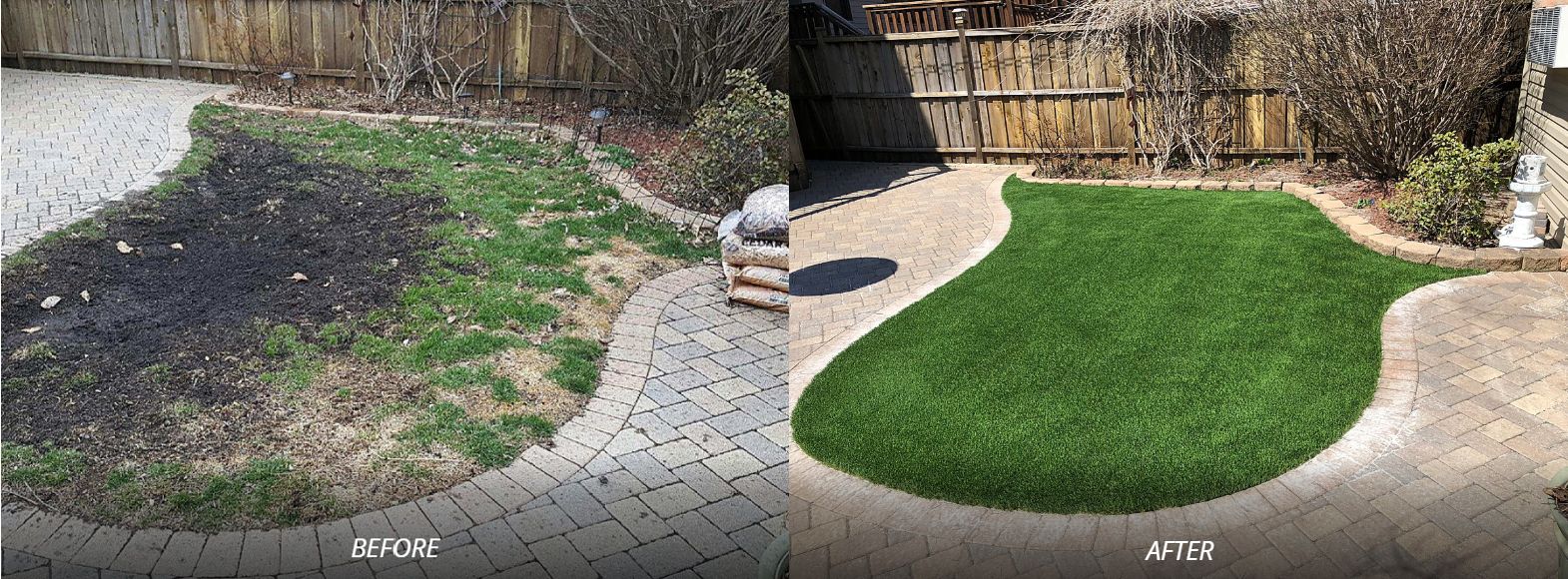
Natural grass lawns demand a season-long commitment that still leaves most front yards looking their best for only a fraction of the year. Artificial turf is changing that equation entirely, delivering a front yard that looks polished year-round with a fraction of the upkeep.
The financial case is equally compelling. Research from The University of Texas at Arlington, published in The Journal of Real Estate Finance and Economics, found that homes with strong curb appeal sell for an average of 7% more than comparable homes in the same neighborhood.
For an Arlington Heights home at the median price point, that premium represents a meaningful return on a landscaping investment that also happens to eliminate your lawn care routine.
Here is why more homeowners in this market are making the switch.
What Natural Grass Actually Costs in the Chicago Area
Natural grass lawns in northern Illinois face conditions that work against them from multiple directions. Spring brings clay-heavy soil that drains poorly and stays soft long after the snow melts. Summer demands consistent watering during heat stretches that can run weeks at a time.
Fall brings leaf coverage that smothers growth if not managed. And the first freeze arrives in early to mid-October, ending the growing season before most lawns have fully recovered from summer stress.
The result is a lawn that looks genuinely good for perhaps six to eight weeks each year, in late spring and early summer, before heat, traffic, and seasonal transitions take their toll.
The rest of the year, most Arlington Heights homeowners are managing a lawn that ranges from acceptable to patchy depending on how much time and money they have invested in it.
Why Artificial Turf Is Redefining Curb Appeal
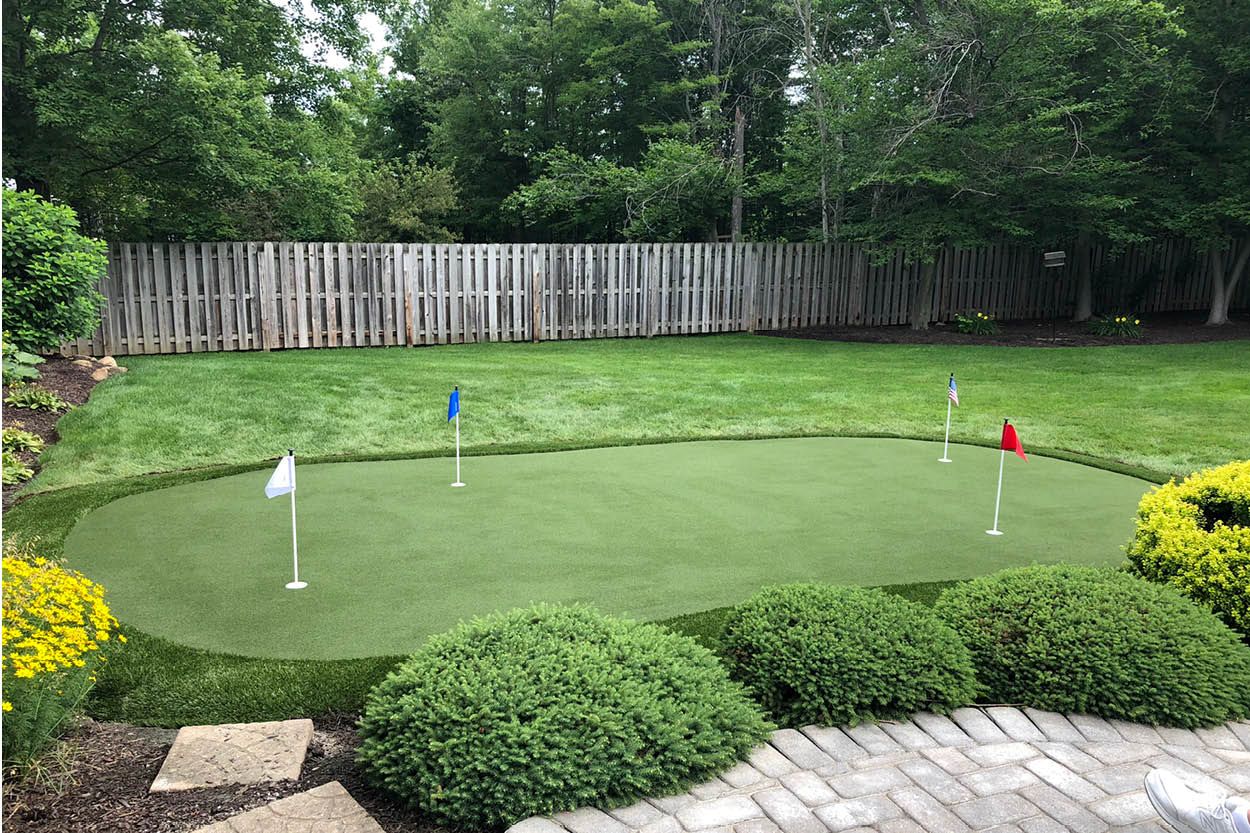
The case for artificial turf as a curb appeal upgrade used to rest primarily on convenience. That case has gotten stronger as product quality has improved significantly. Today’s residential-grade synthetic turf is designed to replicate the look and feel of natural grass closely enough that the difference is not apparent from the street, which is exactly where curb appeal is evaluated.
The more significant advantage is consistency. A well-installed artificial turf lawn looks the same in late October as it does in May. It does not develop bare patches from heavy foot traffic near the front walk. It does not turn brown during a dry July. It does not get torn up by dogs or compacted by kids playing in the front yard.
For Arlington Heights homeowners whose properties sit in neighborhoods with high visual standards, that consistency delivers a curb appeal edge that natural grass simply cannot sustain through a full Illinois season.
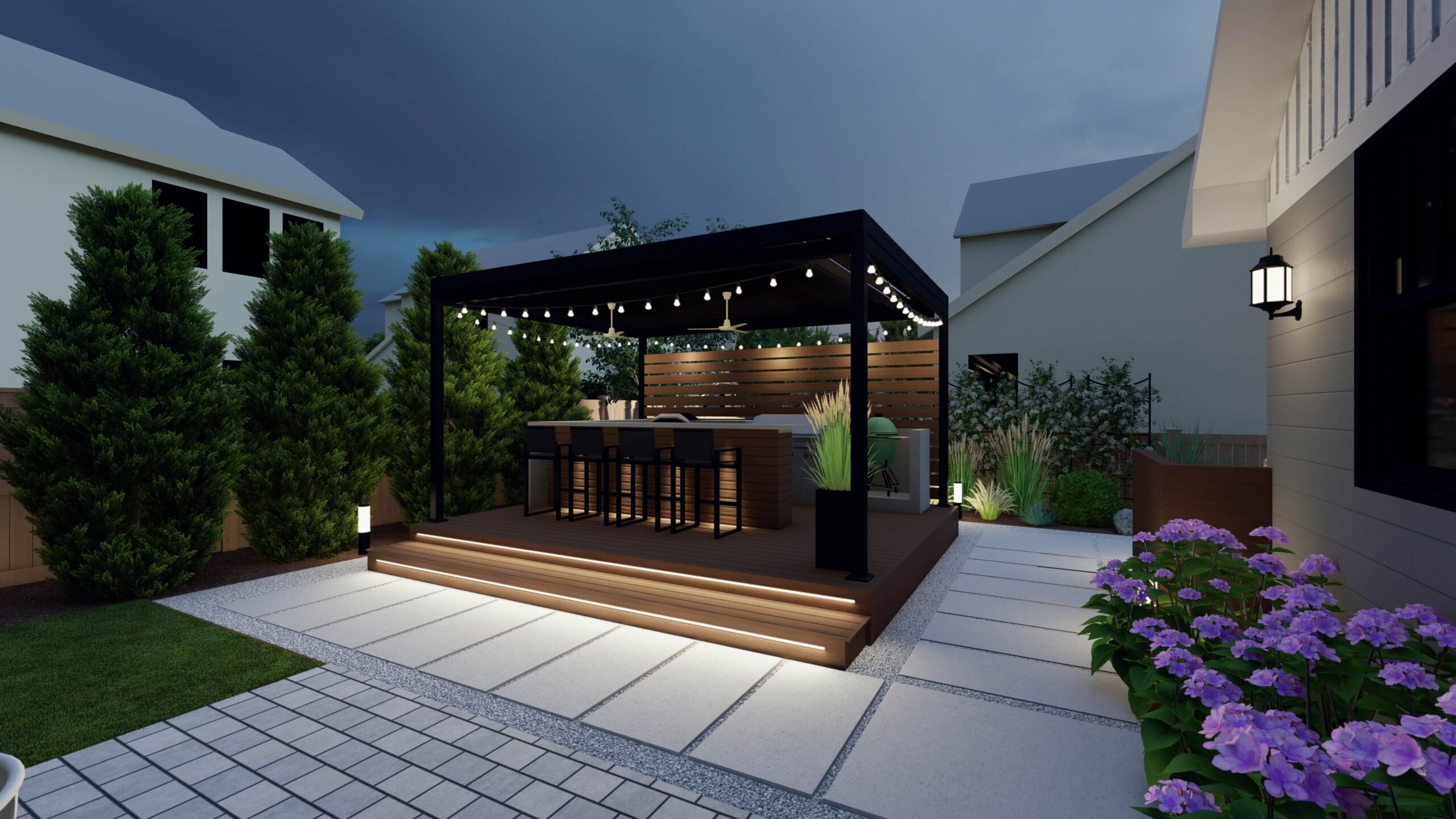
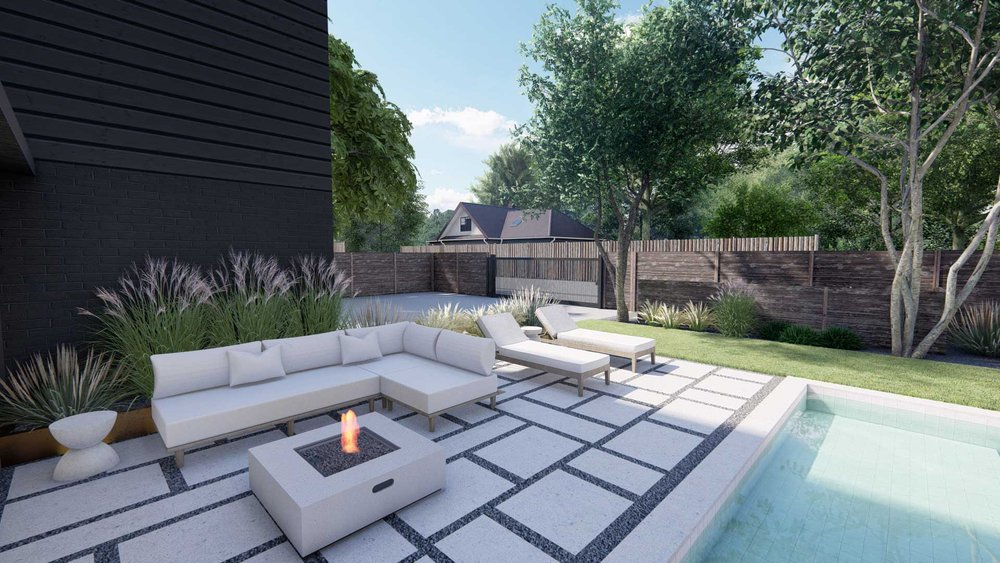
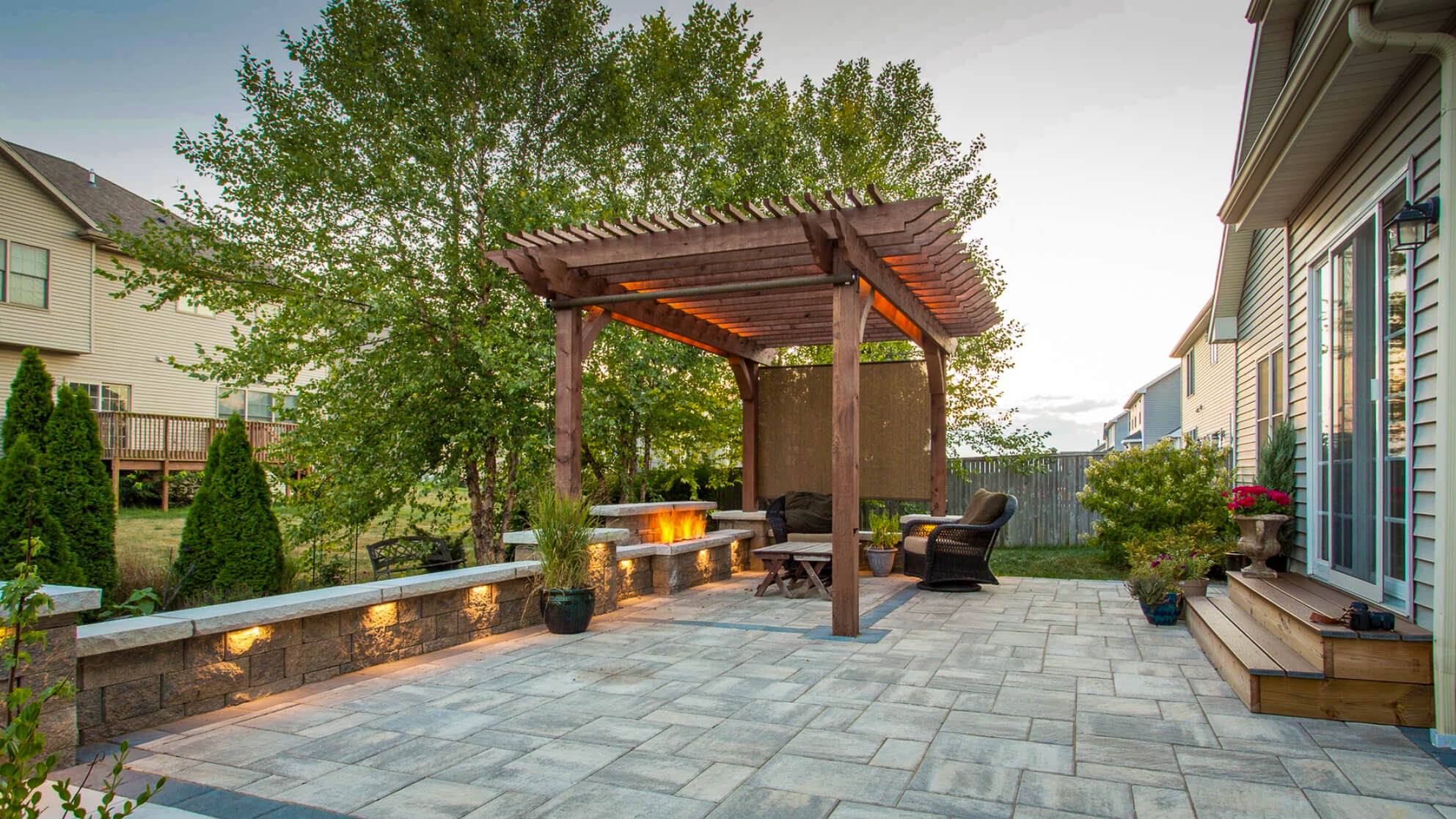
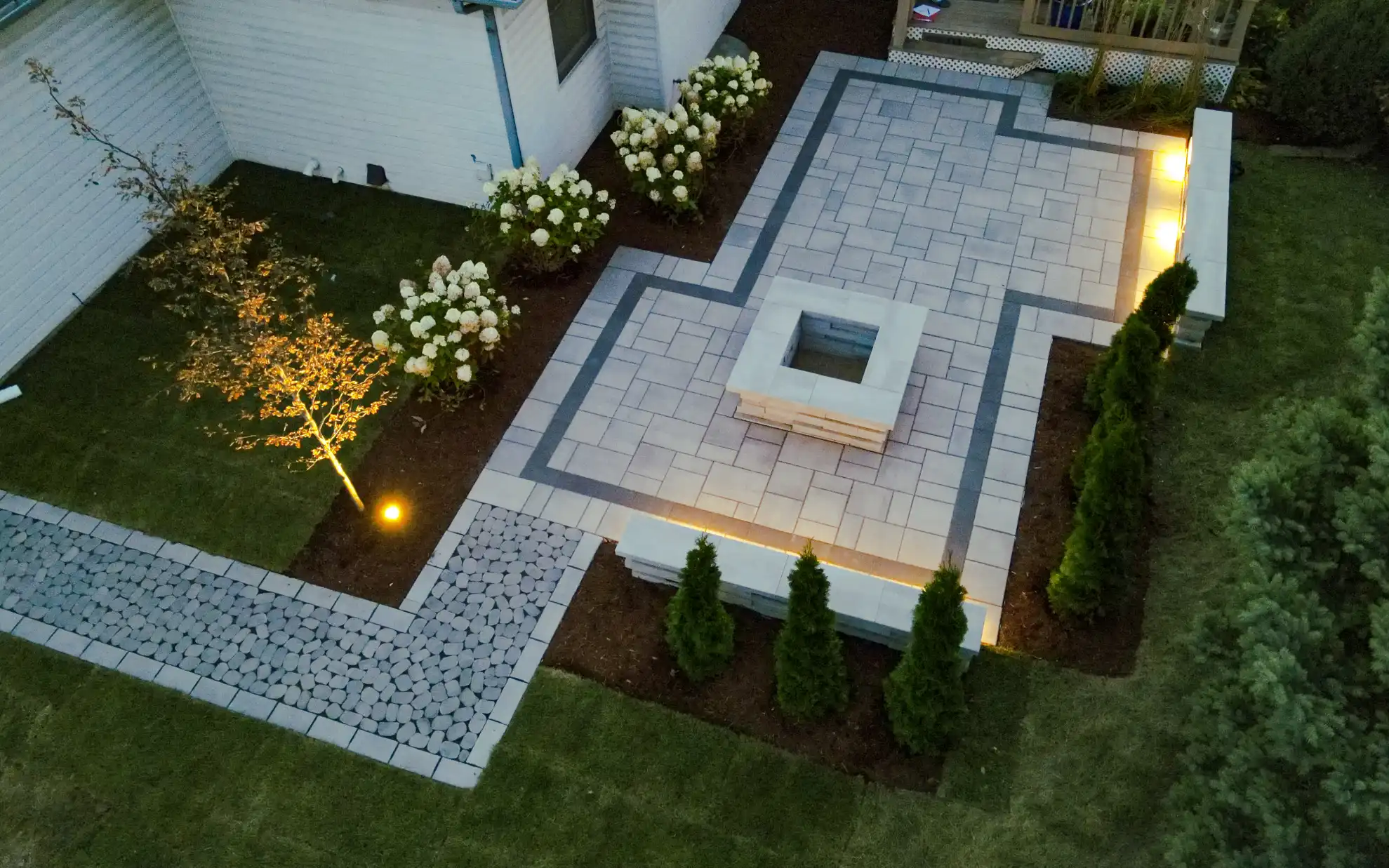
Artificial turf also pairs exceptionally well with hardscaping and paver work. A front yard that combines a clean turf surface with a well-designed paver walkway, defined planting borders, and thoughtful edging creates a cohesive, finished appearance that reads as designed rather than maintained.
The Low-Maintenance Argument Has Gotten Stronger
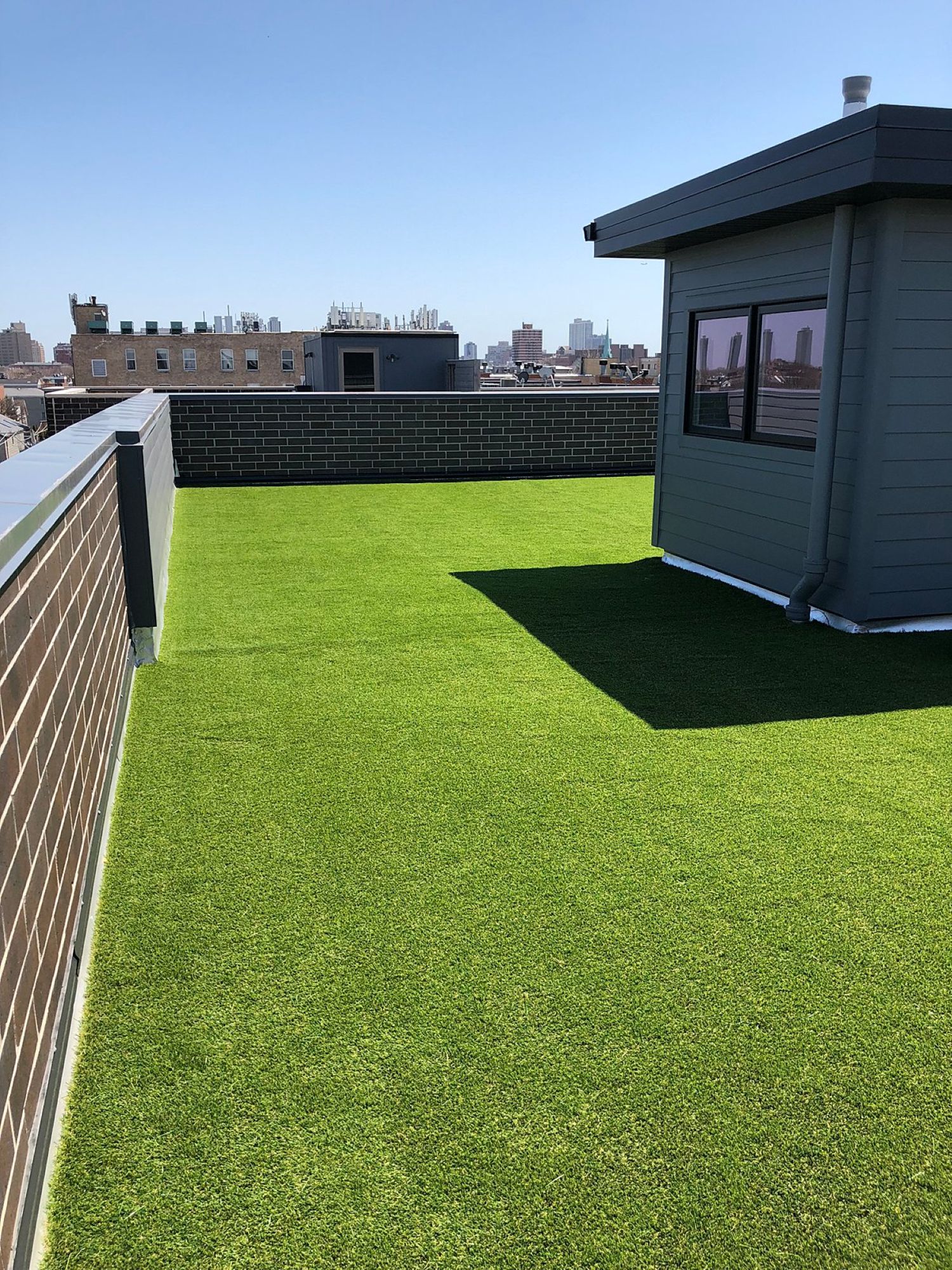
A synthetic lawn requires no mowing, no fertilizer, no herbicide, and no irrigation beyond an occasional rinse to clear debris. For homeowners who travel regularly, have demanding schedules, or simply want their weekends back, artificial turf removes an entire category of recurring outdoor obligation.
This is particularly relevant for front yards, where the aesthetic pressure is highest and the usability argument for natural grass is weakest. Most homeowners do not play on their front lawn.
They look at it. They want it to reflect well on the property. Artificial turf delivers that result without the upkeep cycle that natural grass demands to stay there.
For homeowners considering a broader backyard remodel that includes the front yard, artificial turf is increasingly part of a holistic design approach that unifies the entire property under a single low-maintenance aesthetic.
What Professional Installation Actually Involves
The quality of artificial turf installation determines whether the finished lawn looks professionally designed or like a product that was laid over unprepared ground. The difference is entirely in the preparation.
A proper installation begins with full removal of existing vegetation and organic material, which decomposes over time if left in place and creates uneven surfaces and drainage problems. The subbase requires excavation, compacted aggregate, and drainage planning specific to the site.
In Arlington Heights, where the soil tends toward dense clay, drainage preparation is especially important for preventing water from pooling beneath the surface after heavy rain.
Once the base is correctly prepared, the turf is cut, positioned, and secured with attention to grain direction so all panels read consistently from the street. Infill material is then applied and brushed into the fibers to support the pile and give the surface its natural appearance underfoot.
Professional artificial turf installation executed from a proper landscape design plan ensures that the finished surface integrates with the surrounding hardscape, planting borders, and property lines in a way that looks intentional from every angle.
Is Artificial Turf Right for Your Arlington Heights Property?
The answer depends on what you are trying to achieve. If your priority is a front yard that consistently looks its best through every season without significant ongoing effort, artificial turf is a strong fit. If you are preparing to sell and want to maximize curb appeal with a durable, low-maintenance upgrade, it is worth a serious look.
If you are approaching a broader outdoor renovation and want the front and back of your property to reflect the same level of design and finish, it belongs in that conversation.
The best installations are not just turf laid over ground. They are part of a complete design approach that considers how the lawn relates to everything around it: the paver walkway, the planting beds, the driveway edge, the setback from the street.
Luxterra Outdoors: Artificial Turf Installation Across Arlington Heights and the Chicago Suburbs
Luxterra Outdoors is a premier landscape design-build company serving Arlington Heights and the greater Chicago area with over 35 years of combined team experience.
Our Techo-Pro certified team designs and installs artificial turf for front yards, backyards, and complete property transformations, with a custom 3D design process that lets you see the finished result before installation begins.
Ready to Upgrade Your Curb Appeal?
If you are ready to upgrade your front yard, our team is ready to walk you through what a custom installation would look like for your specific property. Schedule your free consultation and let us put together a plan designed around your home and your goals.
Front Yard Face-Off: Turf vs. Traditional Lawns
|
Feature
|
Natural Grass
|
Artificial Turf
|
|
Installation Cost
|
Lower upfront, but higher long-term upkeep
|
Higher upfront, but saves thousands over time
|
|
Water Bills
|
Constant watering drives costs up
|
Less water is required, cutting utility bills significantly
|
|
Longevity
|
5–10 years with reseeding and repair
|
15–20 years with minimal upkeep
|
|
Seasonal Appeal
|
Brown patches in summer, mud in spring
|
Flawless lawn no matter the season
|
|
Return on Investment
|
Ongoing expenses reduce overall value
|
Boosts property value with low-maintenance curb appeal
|